
Architectural Visualization Services USA
There is a moment every architect and developer knows. You have spent months in drawings, models, and spreadsheets. Then you show a client a photorealistic 3D render of their unbuilt project and everything shifts. They see it. They believe in it. Decisions that used to take weeks get made on the spot. That is the power of professional architectural visualization services, and it is what RenderLand delivers to clients across the United States.
RenderLand is a US-based 3D visualization studio serving architects, real estate developers, interior designers, and property marketing teams from coast to coast. Our core services include photorealistic exterior and interior rendering, walkthrough animations, virtual tours, VR and AR experiences, and 3D floor plans. Whether your project is a luxury residential tower in Miami or a mixed-use development in Denver, our team brings it to life before construction begins.
When you work with RenderLand, you can expect studio-quality output, a structured and transparent process, and a team that understands the US real estate and design market. Ready to see your next project in full detail? Request a quote below or read on to explore how our visualization services can move your project forward.
Let's start a
conversation
Prefer to
talk directly?
Our experts are on hand to answer your questions and guide you to the right solution. No hold music, no bots.
What Is Architectural Visualization?
Architectural visualization is the process of creating photorealistic 3D images, animations, and immersive experiences from architectural drawings and design data. It allows architects, developers, and clients to see, evaluate, and market a building before construction begins.
The field has evolved dramatically over the past two decades. Where architects once relied on hand-drawn perspective sketches to communicate design intent, modern architectural visualization uses the same 3D data that drives construction documentation. A building information model (BIM) built in Autodesk Revit becomes the foundation for a photorealistic render. A SketchUp massing study transforms into a cinematic walkthrough animation. The gap between blueprint and finished building has never been smaller.
Today, the spectrum of output types is broad. At one end, you have still renders. Single high-resolution images from a carefully chosen camera angle. Moving further, you have animated walkthroughs, 360-degree panoramic tours, real-time interactive experiences, VR environments, and AR overlays that project a building onto a real-world site. These are not just pretty pictures. They are decision-making tools, marketing assets, and communication instruments that shape how every stakeholder. From planning boards to private buyers, experiences a project.
Without visualization, design intent gets lost in translation. Clients misread drawings. Investors struggle to commit to something they cannot picture. Planning boards see dimensions, not buildings. With CGI architectural services and pre-construction visualization, all of that changes. Stakeholders align faster, feedback is more specific, and projects move forward with far less friction.
Why Architectural Visualization Is Essential for Real Estate and Design Projects
Visualization is often framed as an aesthetic upgrade, a way to make presentations look better. That framing undersells it. High-quality 3D rendering is a business tool. It accelerates decisions, reduces costly errors, unlocks investor confidence, and gives sales teams the assets they need to close deals before a single foundation is poured.
Accelerate Investor and Stakeholder Buy-In
Investors fund vision, not blueprints. A set of architectural drawings communicates intent to trained professionals but in an investor pitch deck or crowdfunding presentation, those same drawings create distance rather than confidence. Walkthrough animations and photorealistic exterior renders transform abstract data into a compelling visual story. When a development partner can see the rooftop terrace, feel the scale of the lobby, and understand the relationship between the building and its neighborhood, they move from consideration to commitment far more quickly.
Win Planning Approvals Faster
Local planning authorities, zoning boards, and HOAs in the US need to understand more than dimensions. They need to see how a proposed building interacts with its neighborhood. Its massing against adjacent properties, the materials on its facade, the shadow it casts at different times of day. Context-accurate renders showing the building in its real environment address these concerns directly. Planning permission renders that clearly communicate scale and material intent have a measurable impact on approval timelines. Boards that feel informed approve projects. Boards that feel uncertain delay them.
Drive Pre-Sale and Off-Plan Marketing
Real estate developers routinely sell units before construction completes. Buyers are asked to commit to something that does not yet exist. The quality of your marketing visualization is the single biggest factor in whether those buyers feel confident enough to sign. High-resolution lifestyle renders, virtual tour walk-throughs, and 3D floor plans for listings give prospective buyers the experience of being in a finished home. Off-plan marketing powered by professional property marketing visualization reduces carry costs, accelerates cash flow, and allows you to enter the market months earlier.
Eliminate Costly Design Change Errors
Finding a facade material mismatch during visualization costs a fraction of discovering it on site. The same applies to spatial planning conflicts, fenestration proportions that look wrong at full scale, or furniture layouts that do not function as expected. Visualization is a quality-control investment. Every decision you resolve during the rendering stage is a decision you do not have to reverse during construction. For large-scale developments, this alone justifies the cost of the service many times over.
Strengthen Competitive Pitches
Architecture firms and interior designers competing for commissions are judged not just on credentials and fees but on how well they communicate their design vision. A board presentation featuring studio-quality renders and an animated walkthrough signals professionalism, attention to detail, and creative ambition. Design review presentations and competition submission boards that feature photorealistic visuals consistently outperform those that rely on wireframes and diagrams. The quality of your presentation materials is a direct reflection of the quality of your work.
RenderLand Architectural Visualization Services
RenderLand offers a complete range of 3D visualization and rendering services, covering every stage of the design and marketing process. Each service is delivered by our in-house team with consistent quality standards across all output types.
Exterior 3D Rendering Services
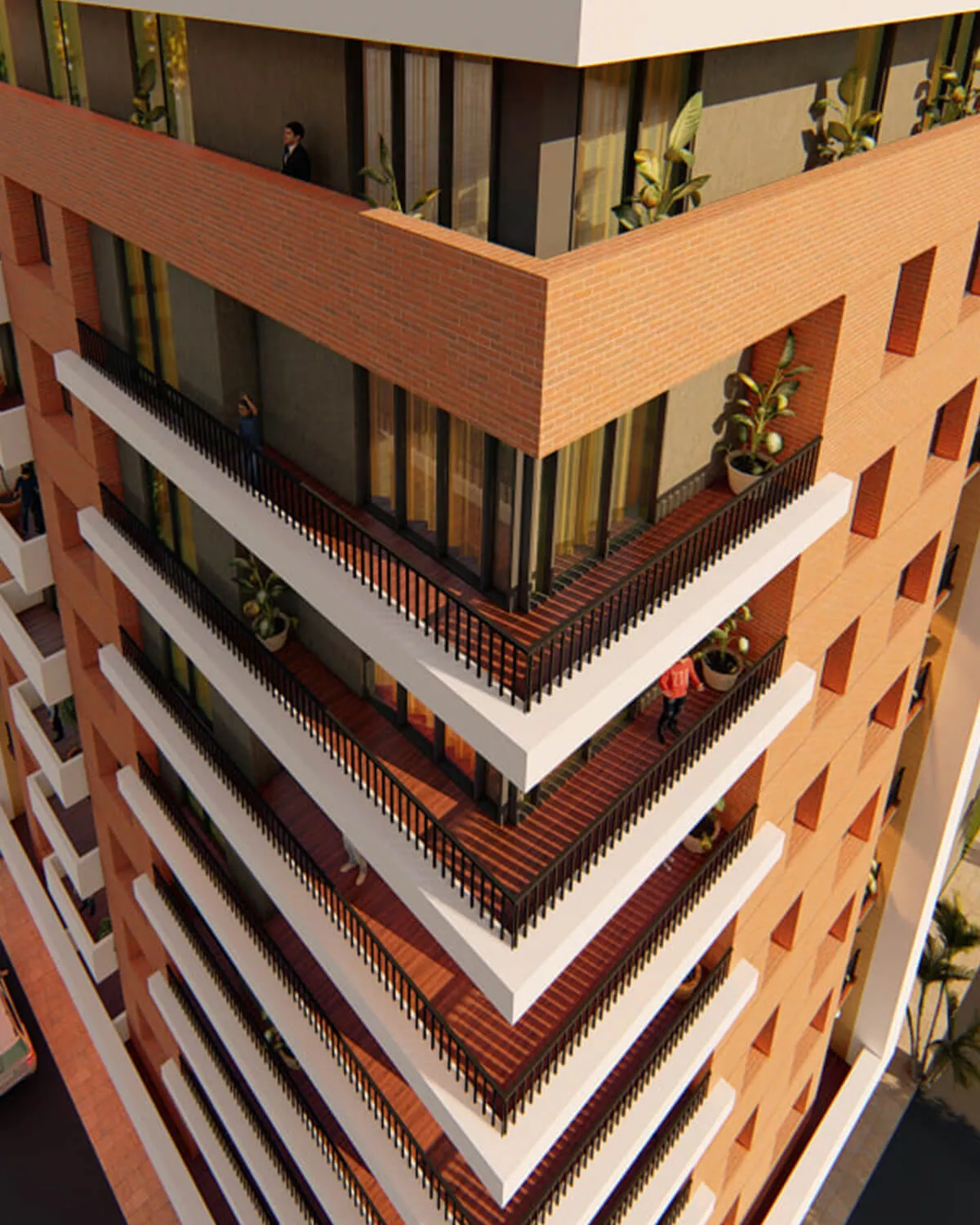
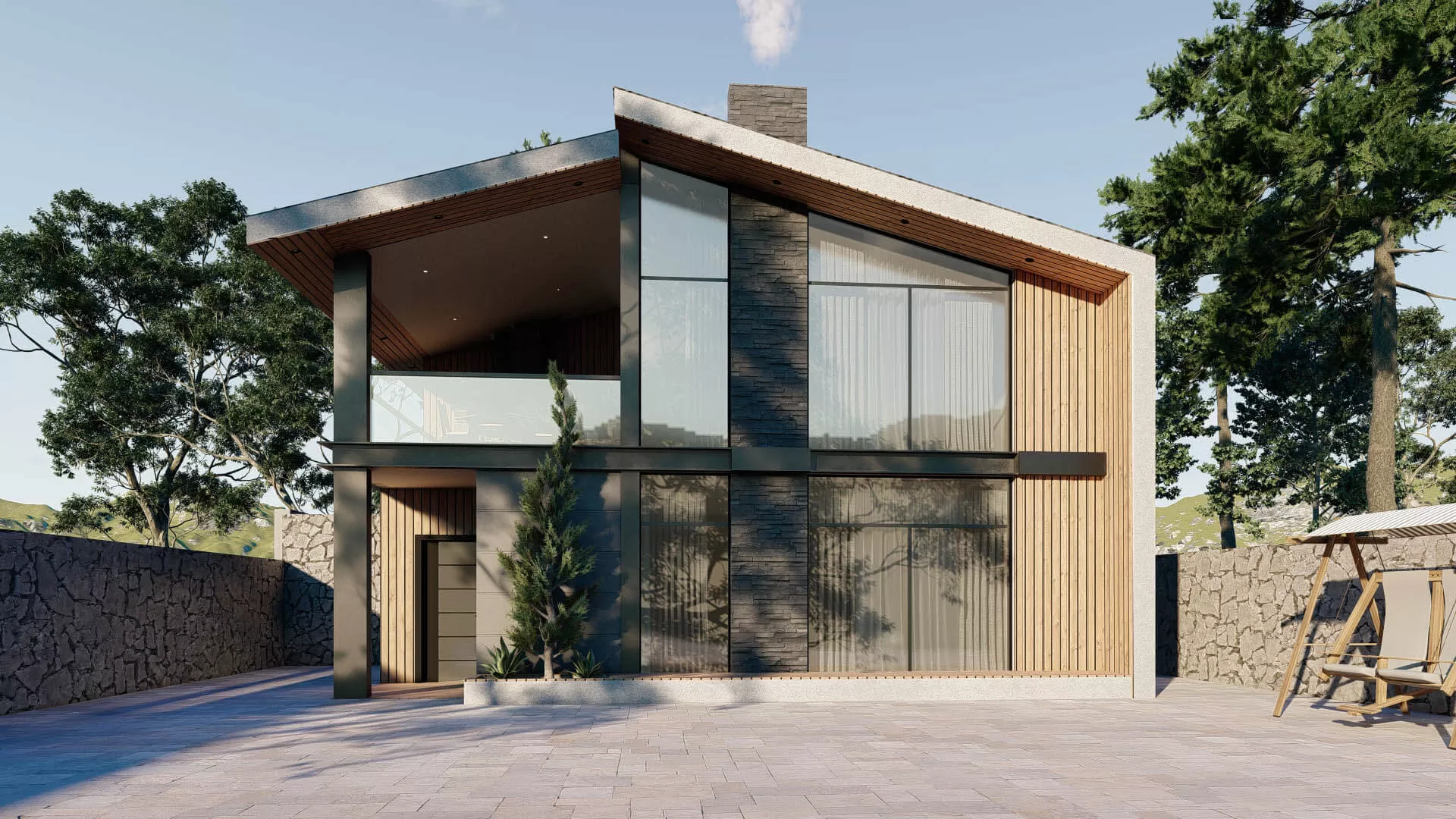
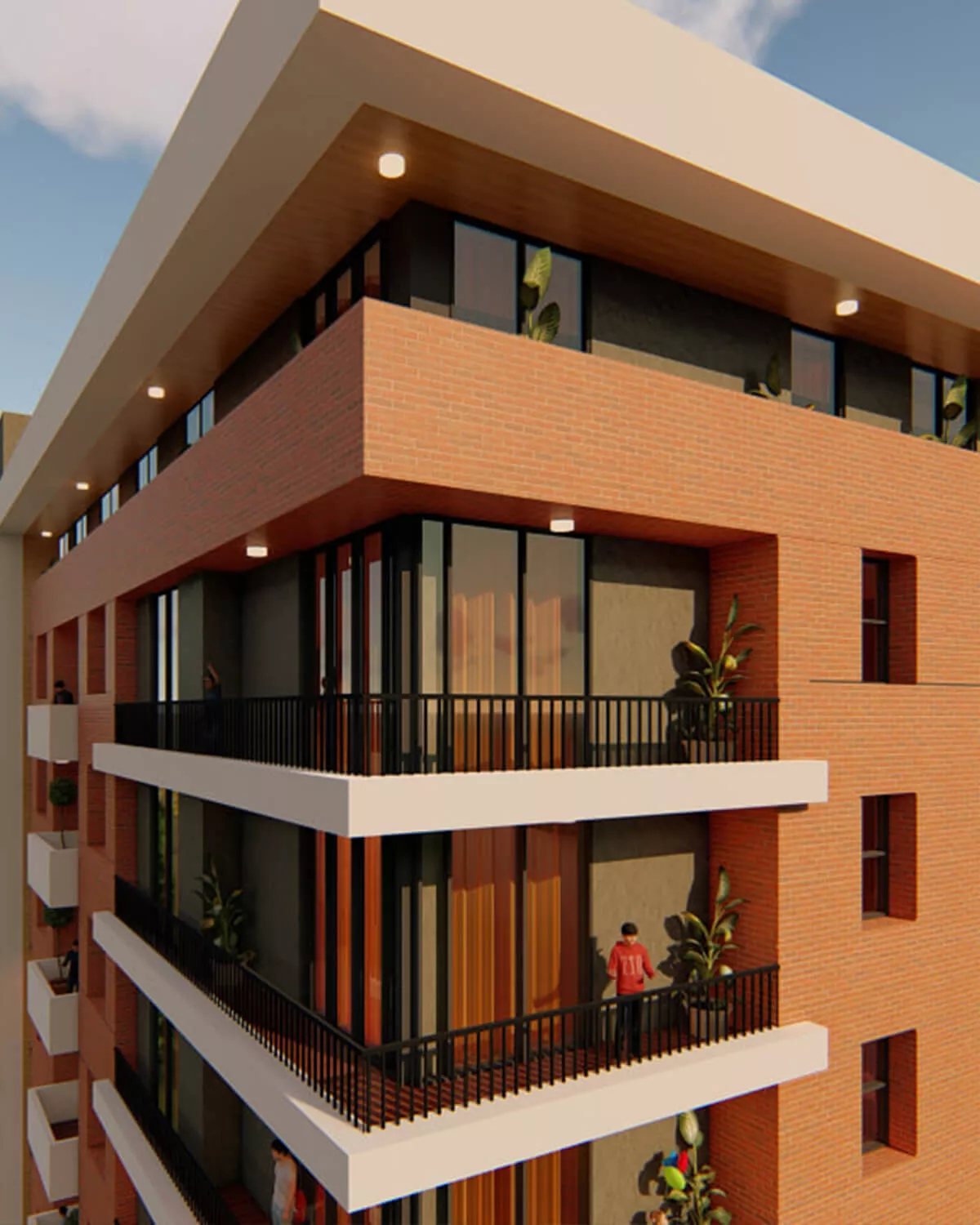
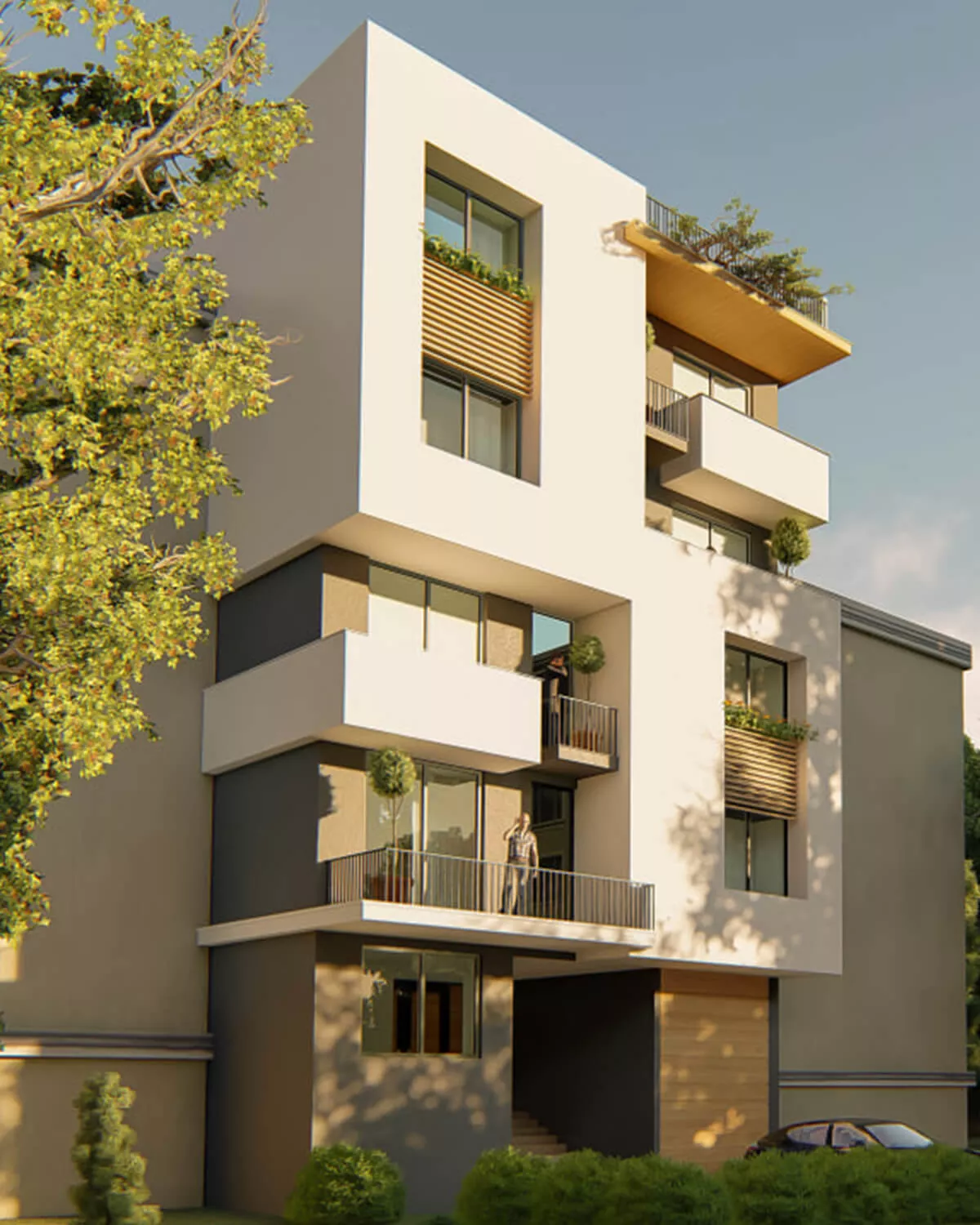
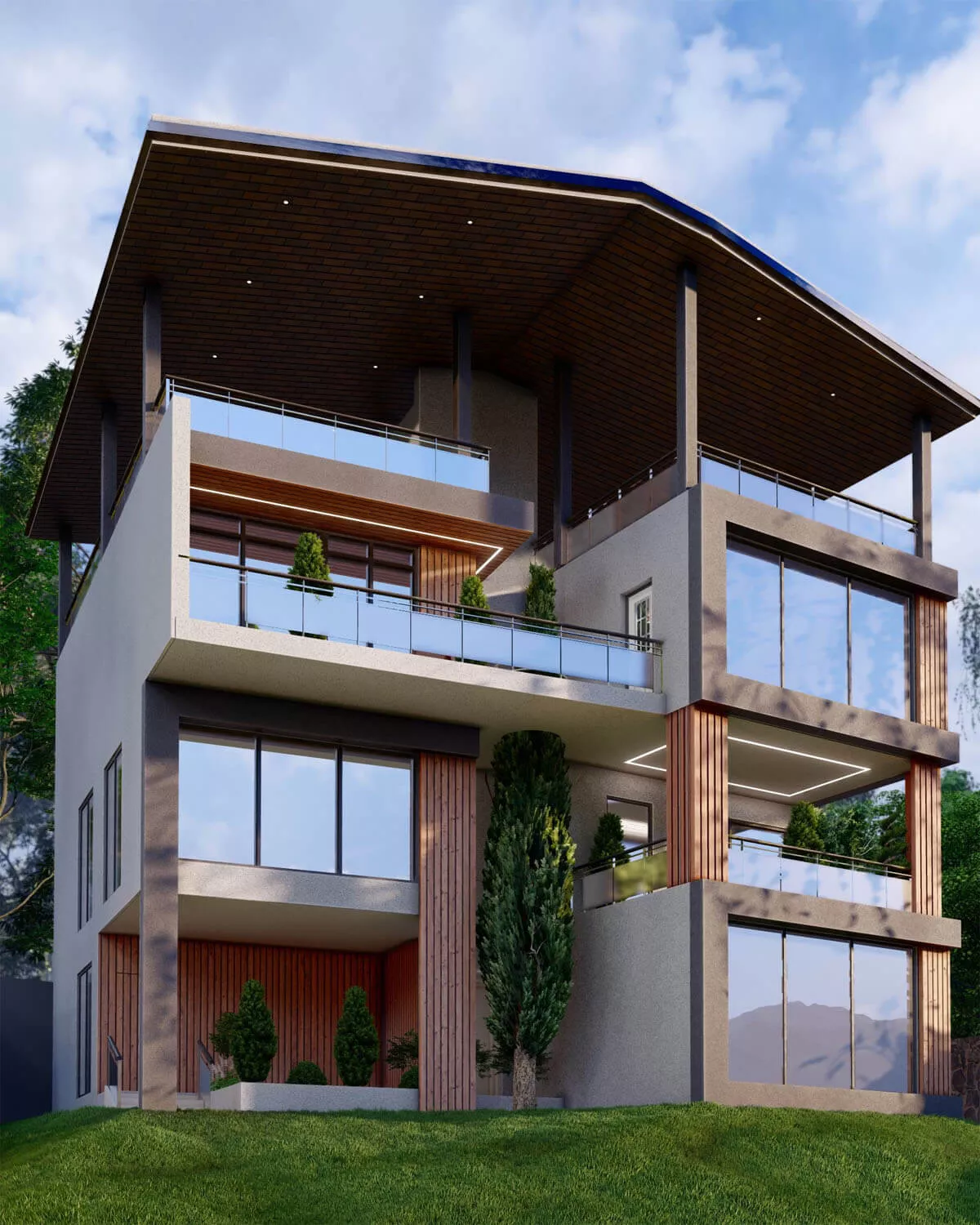
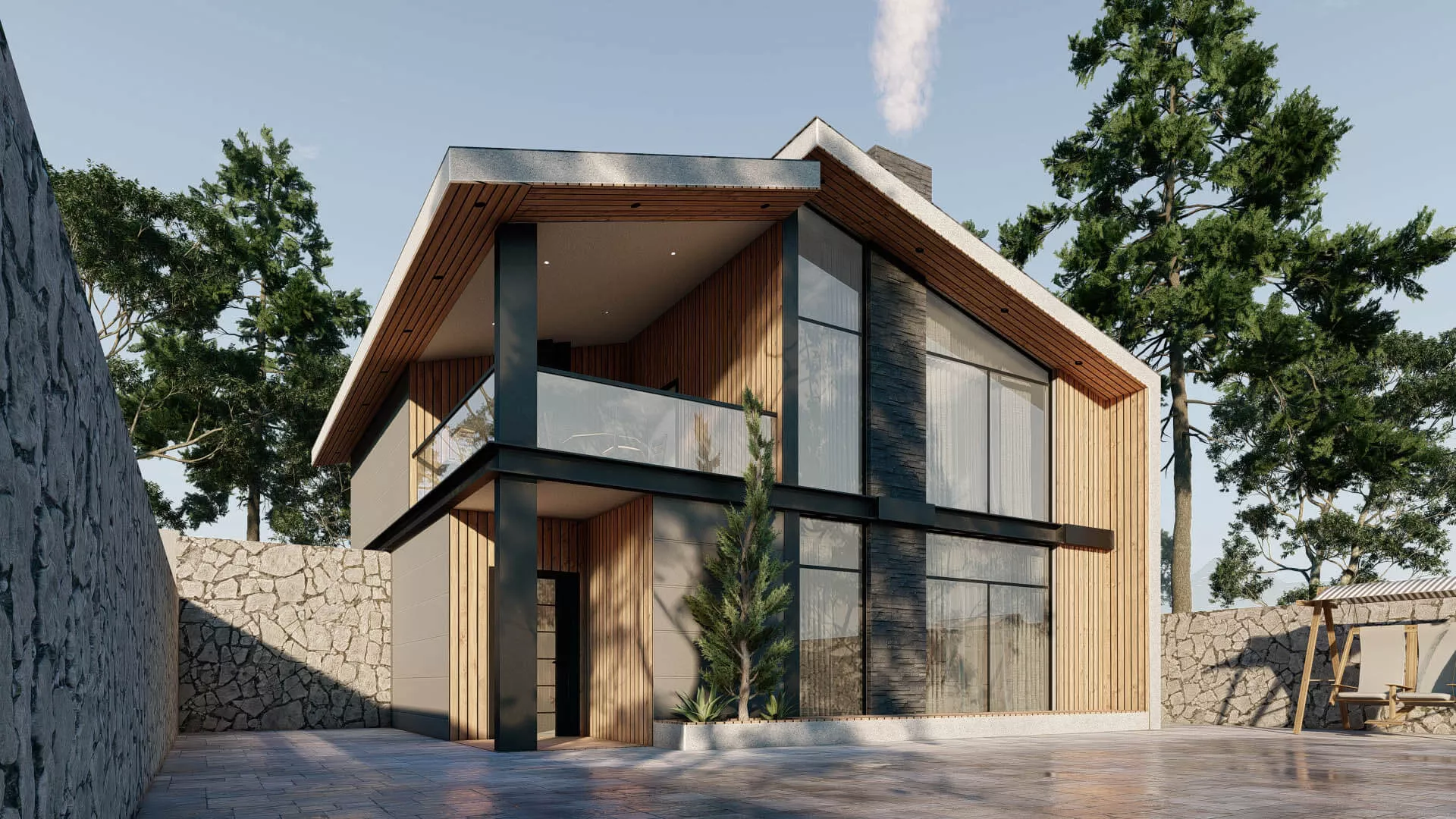
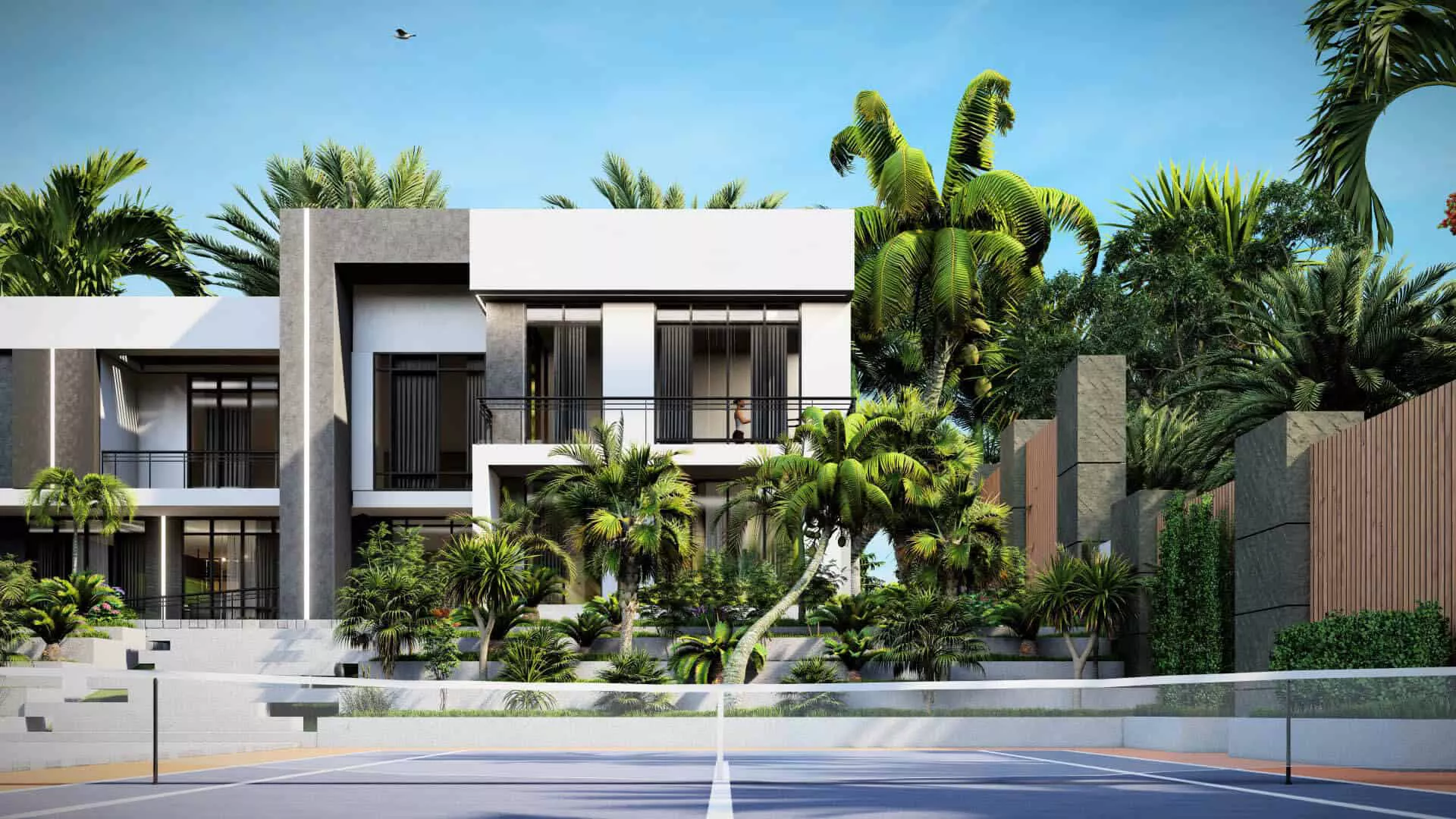
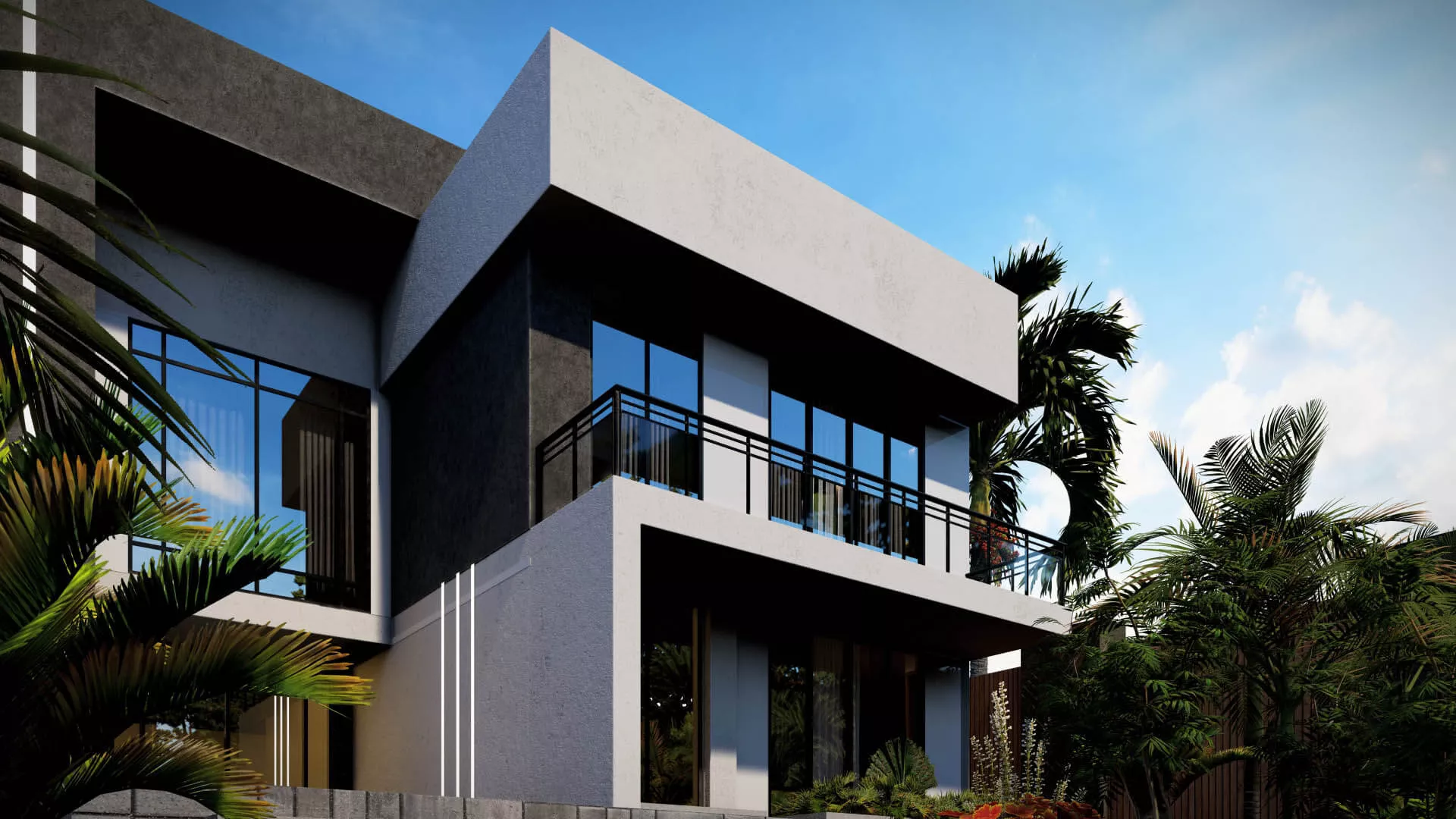
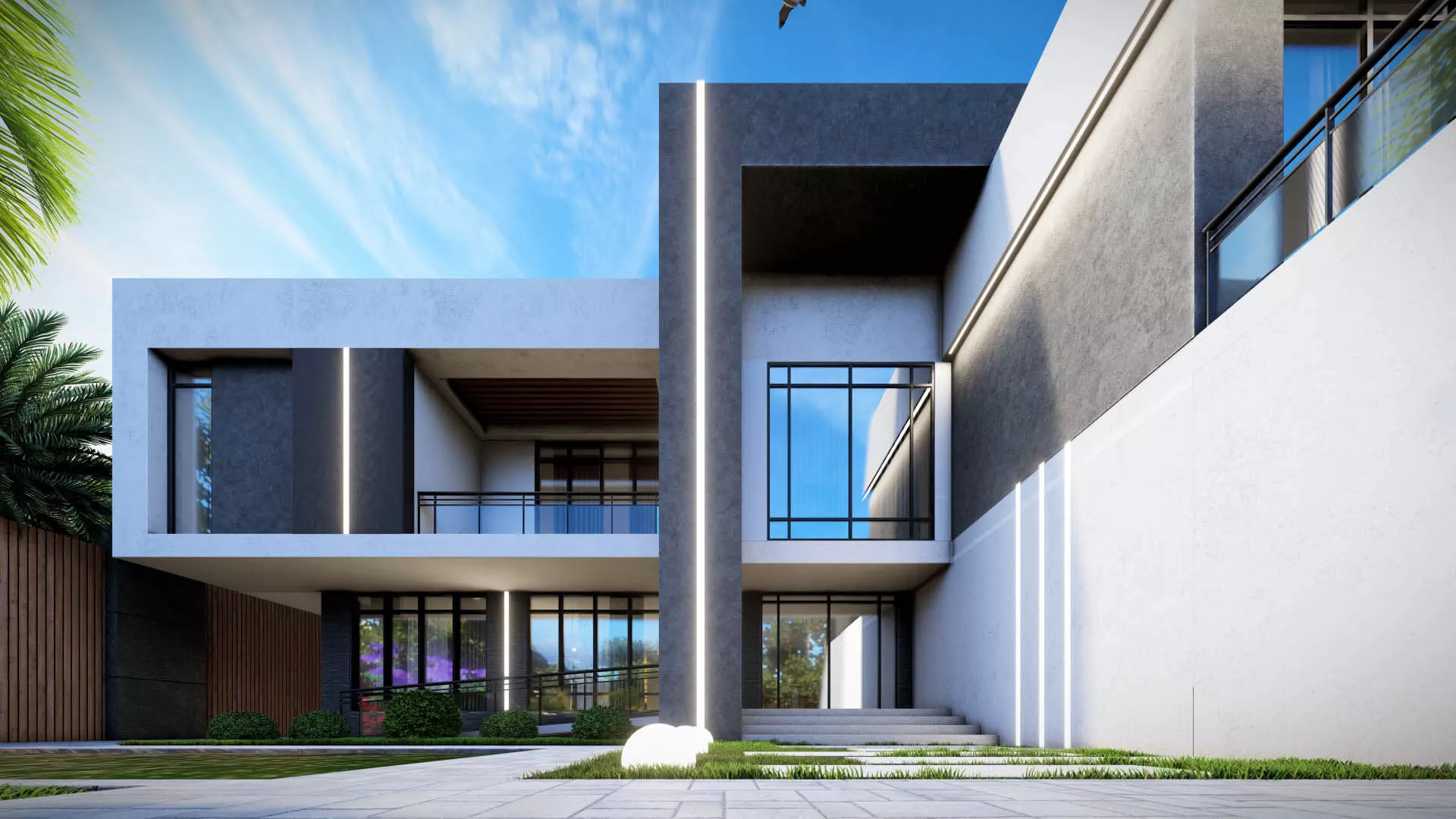
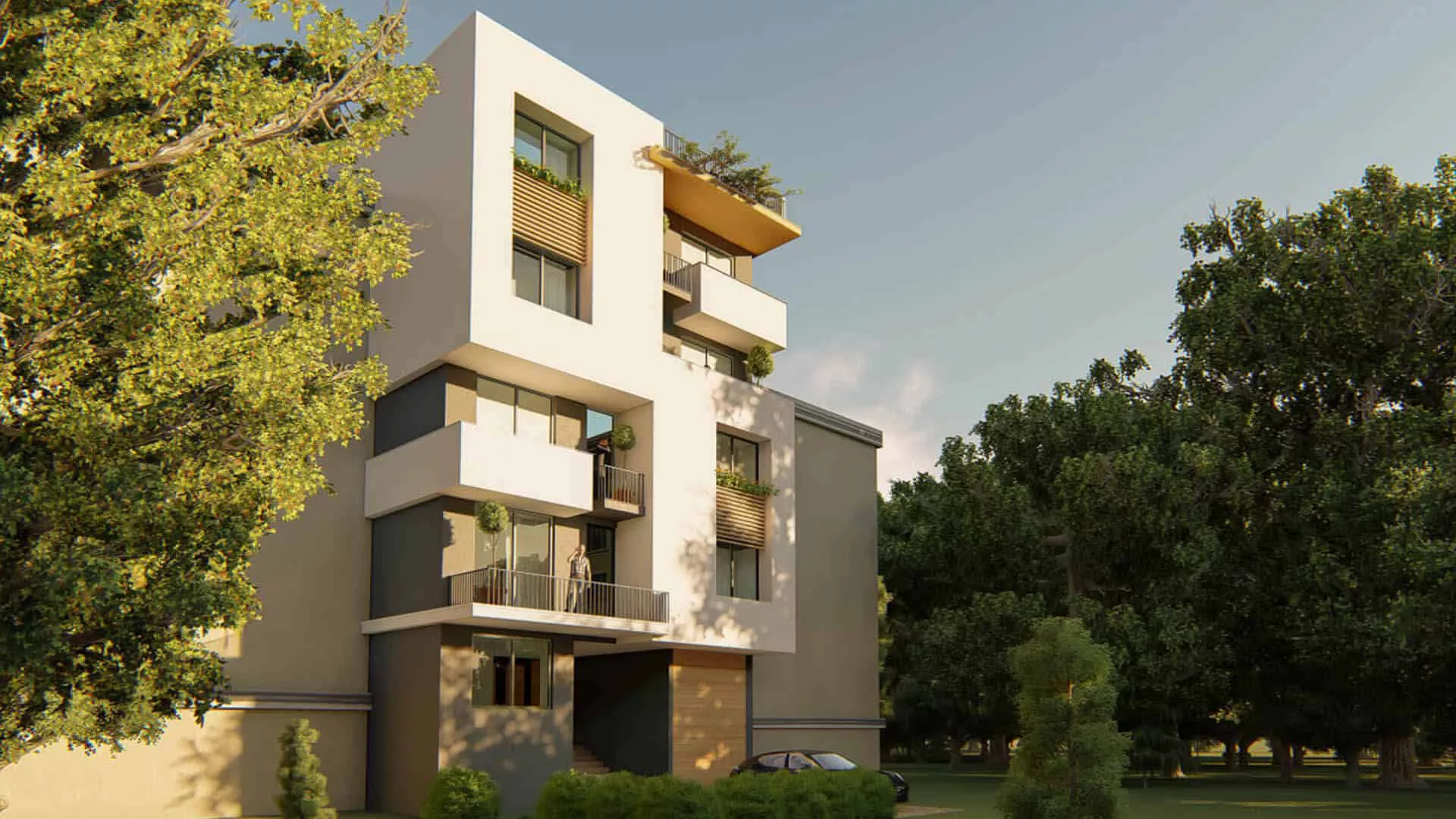
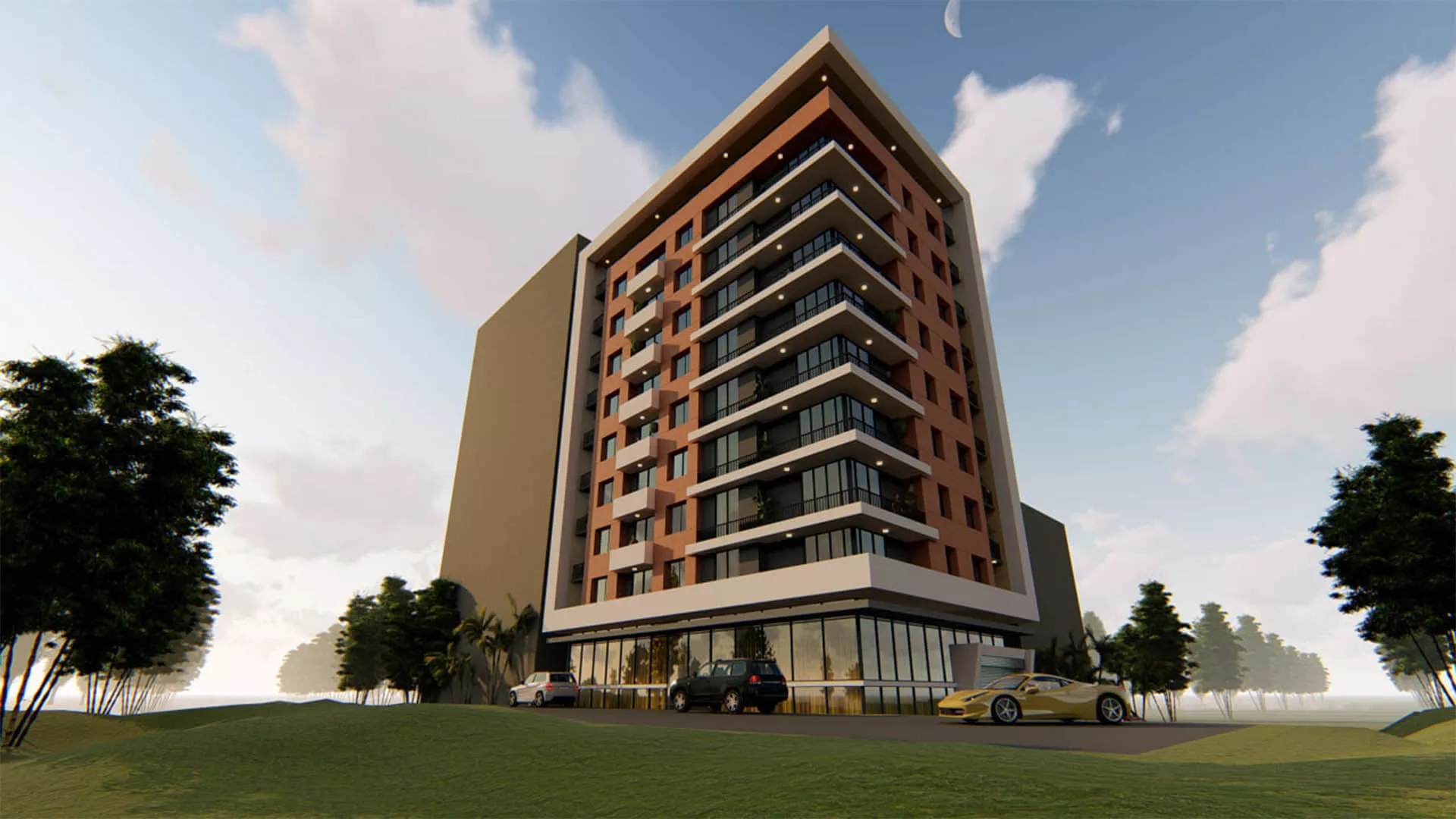
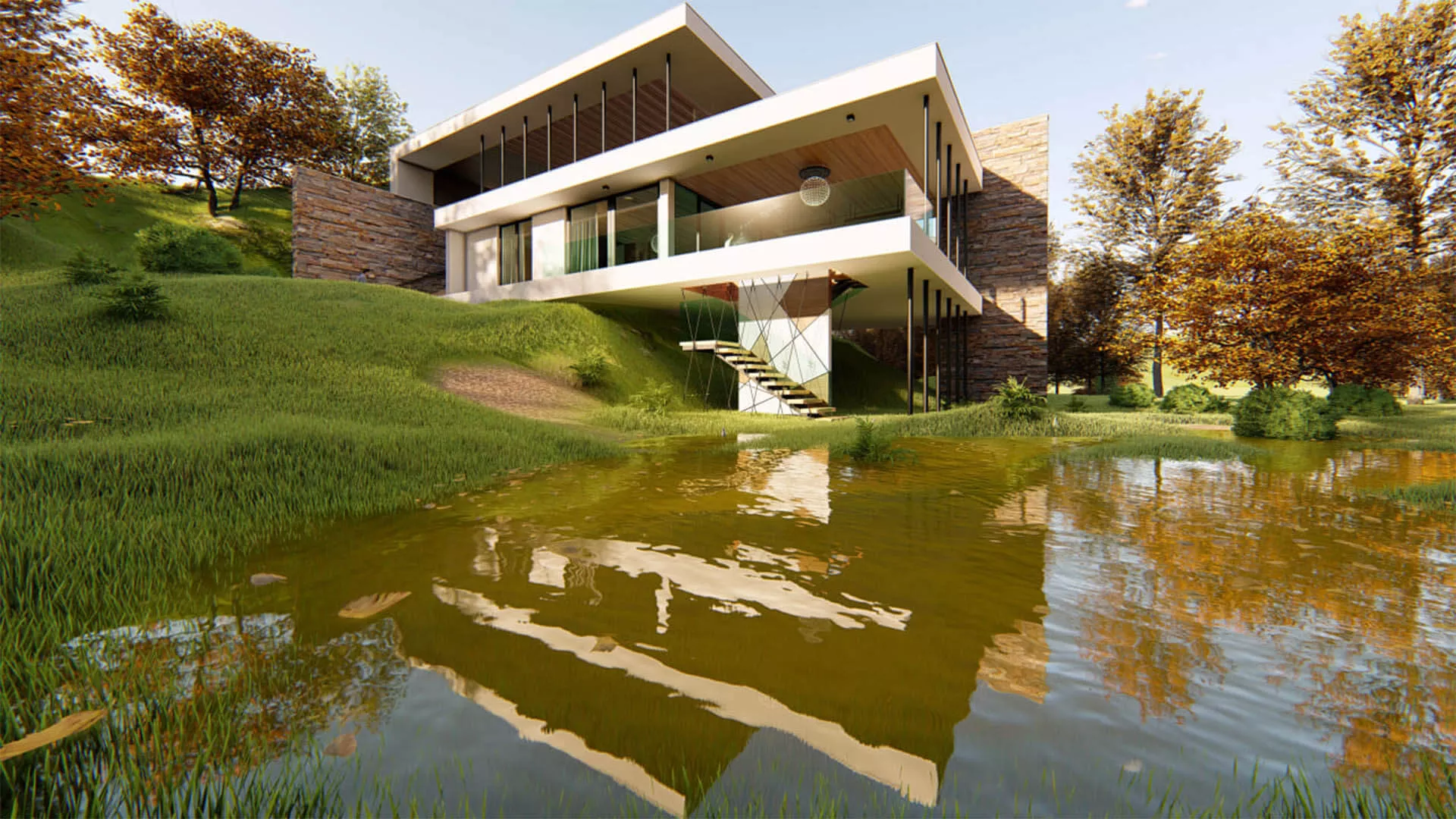
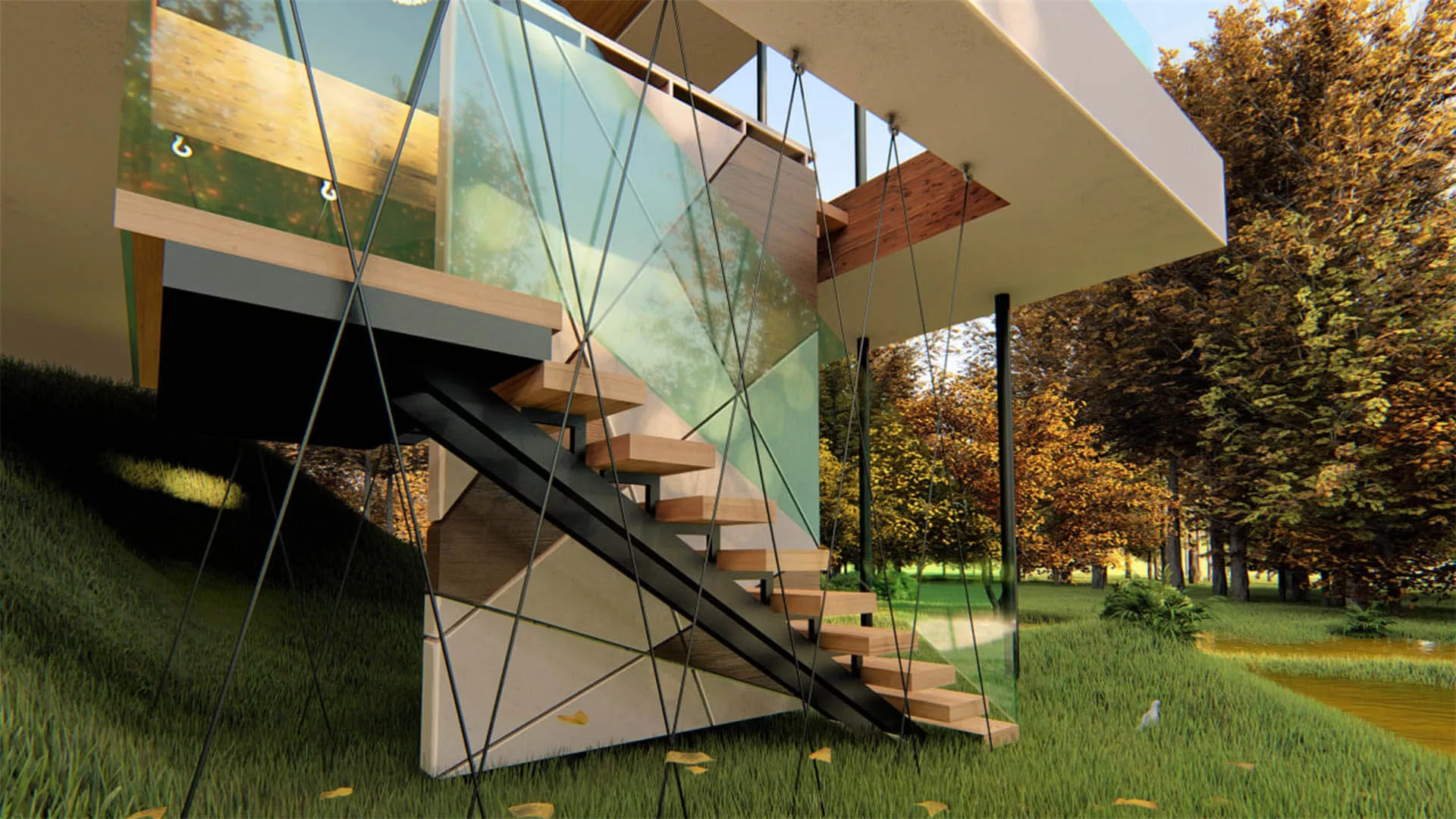
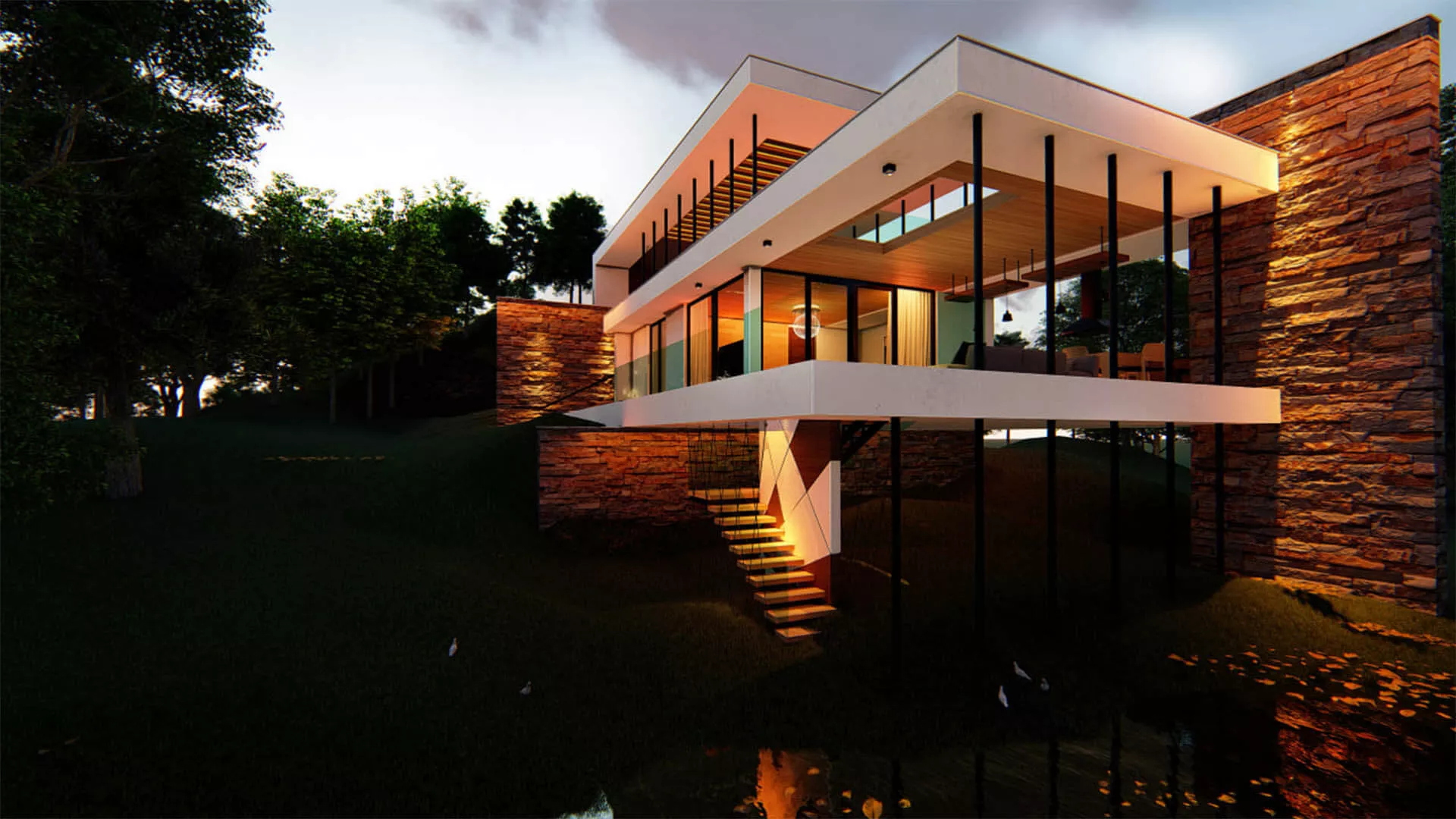
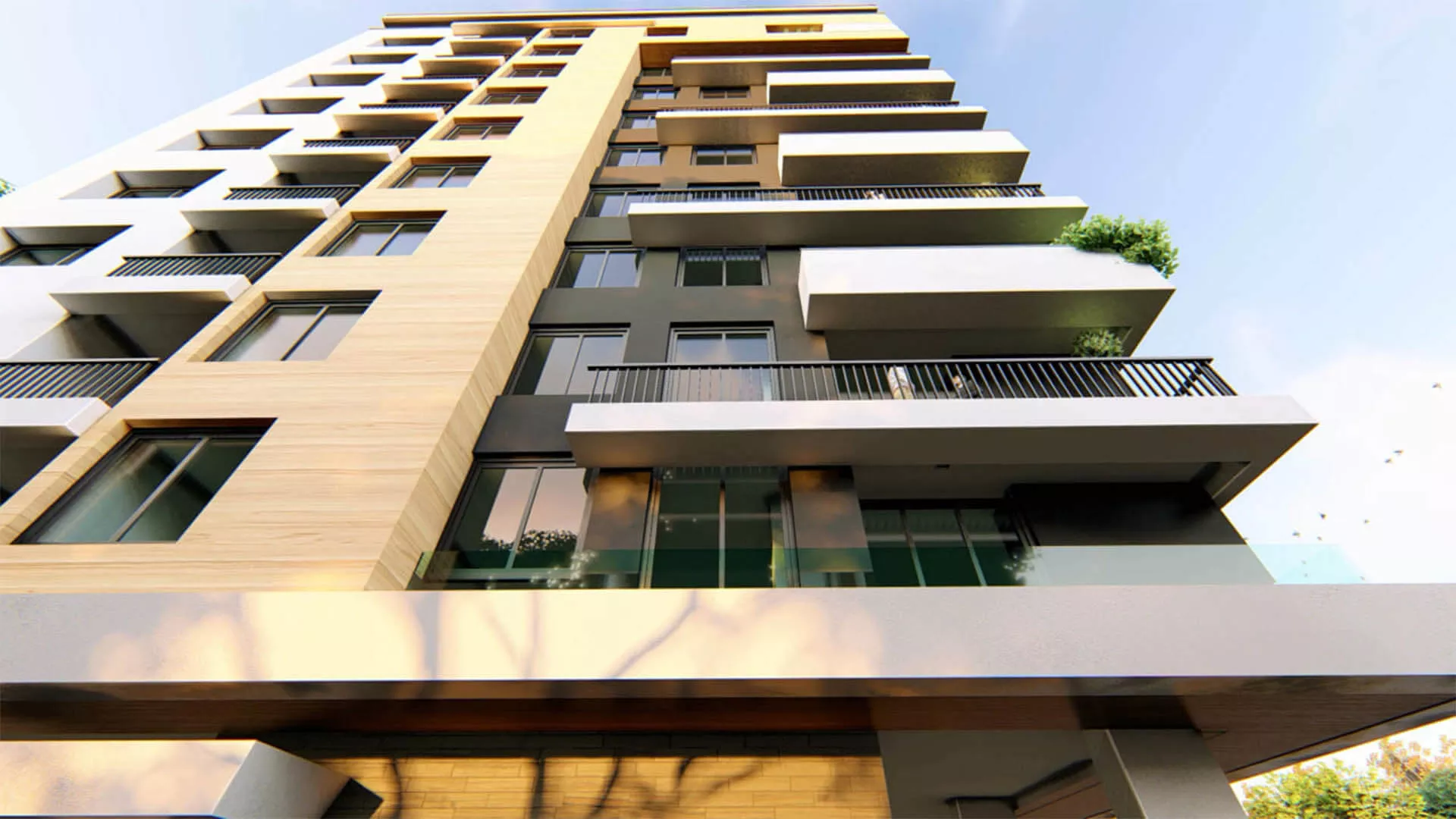
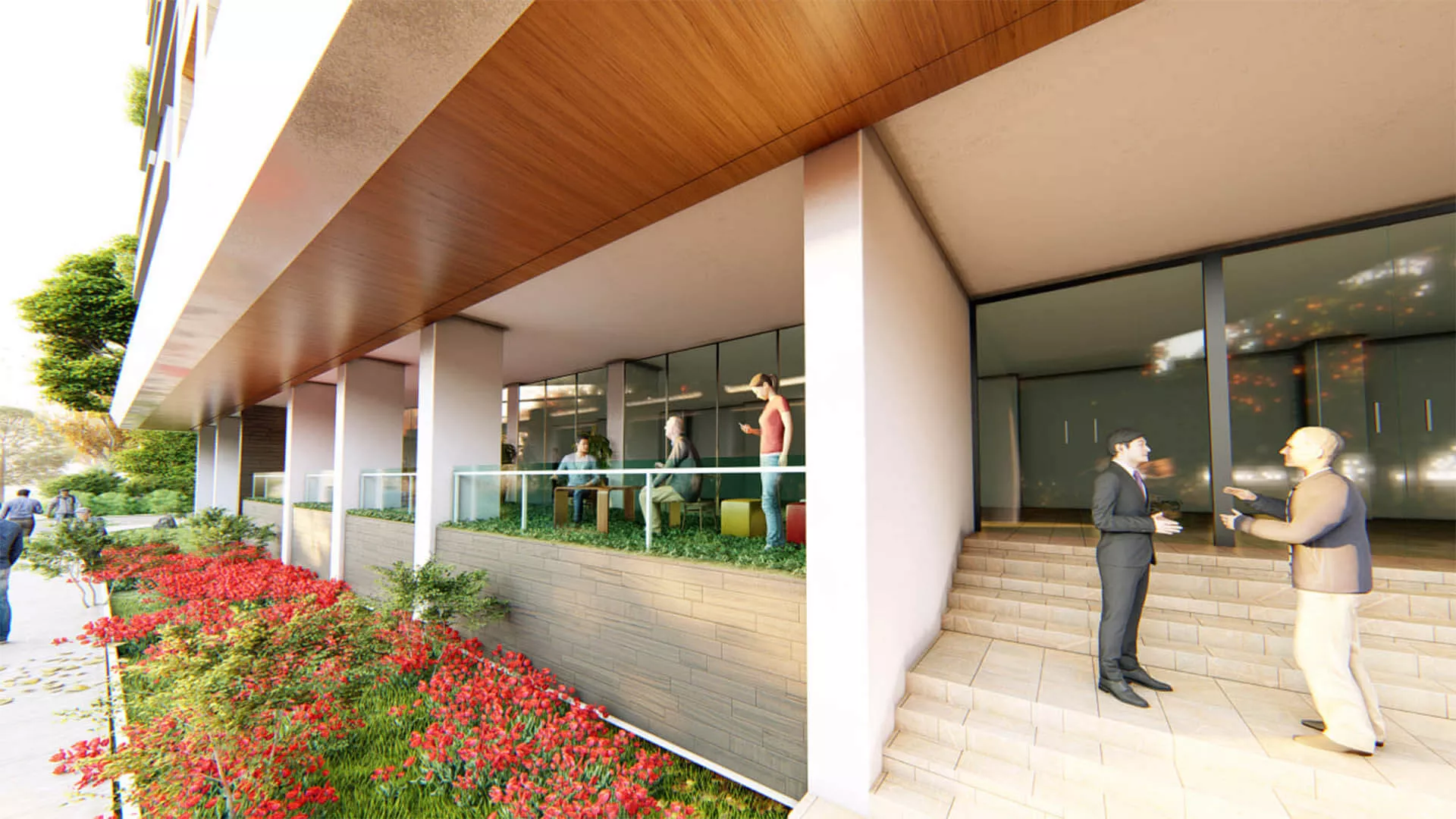
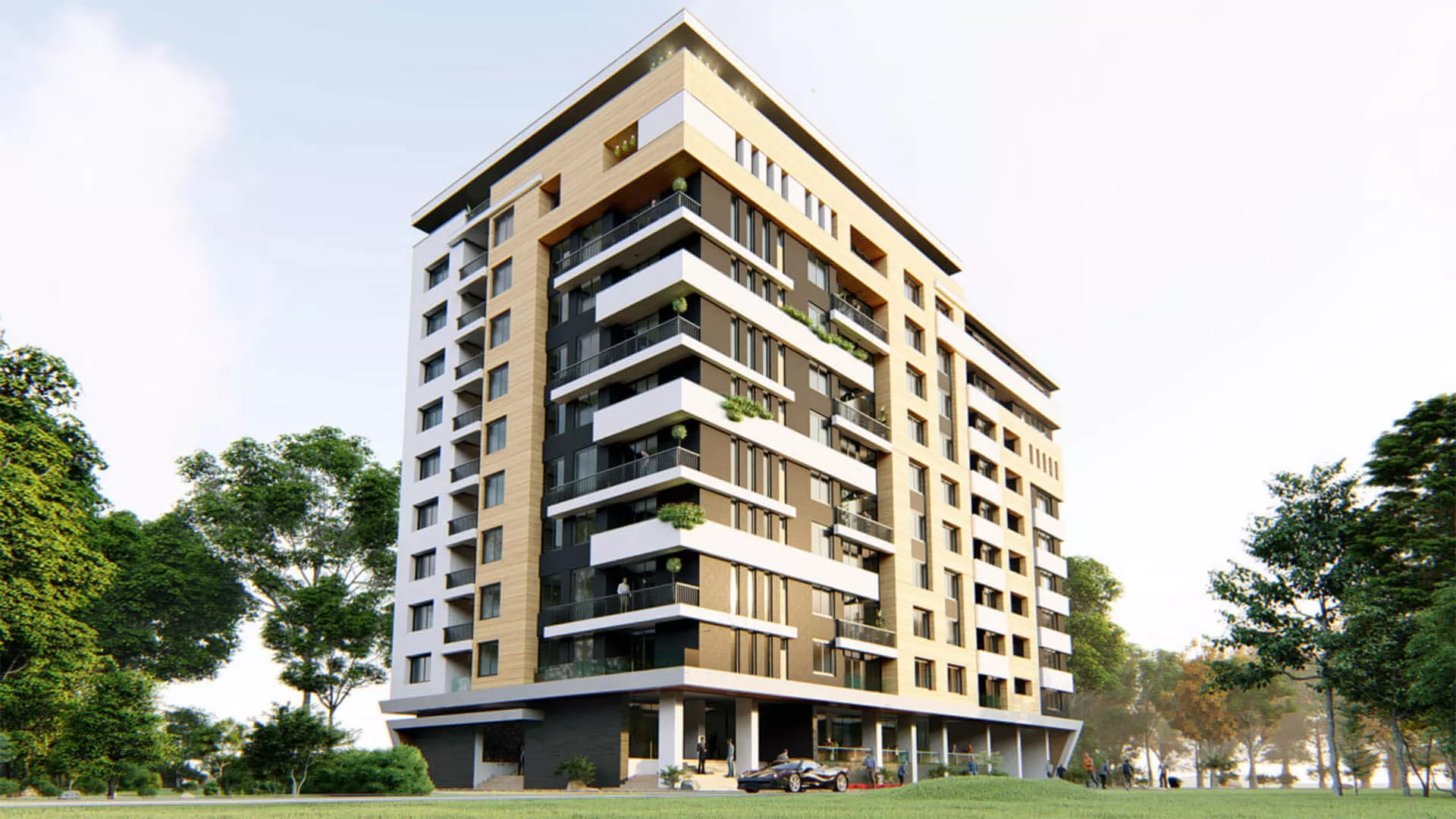
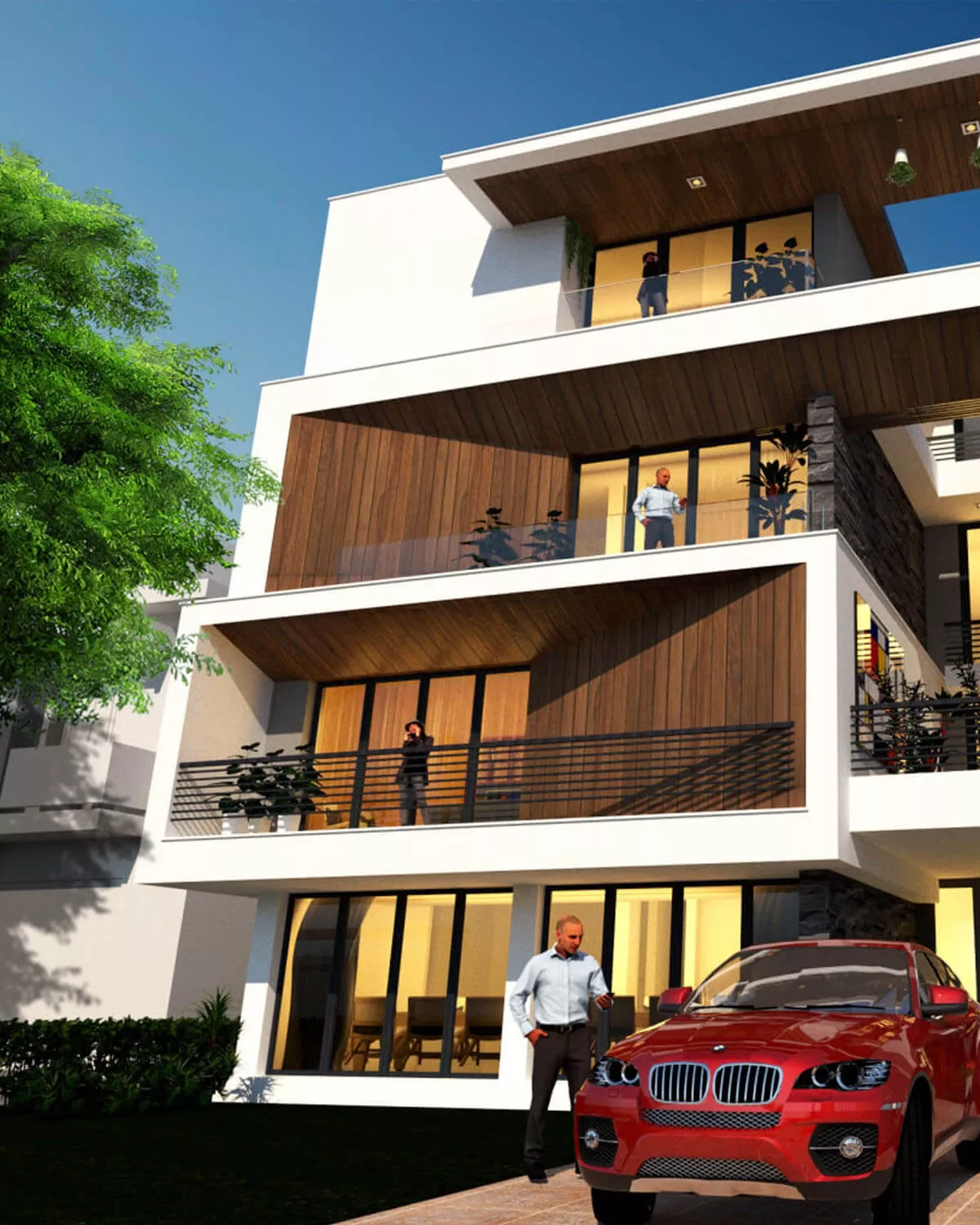
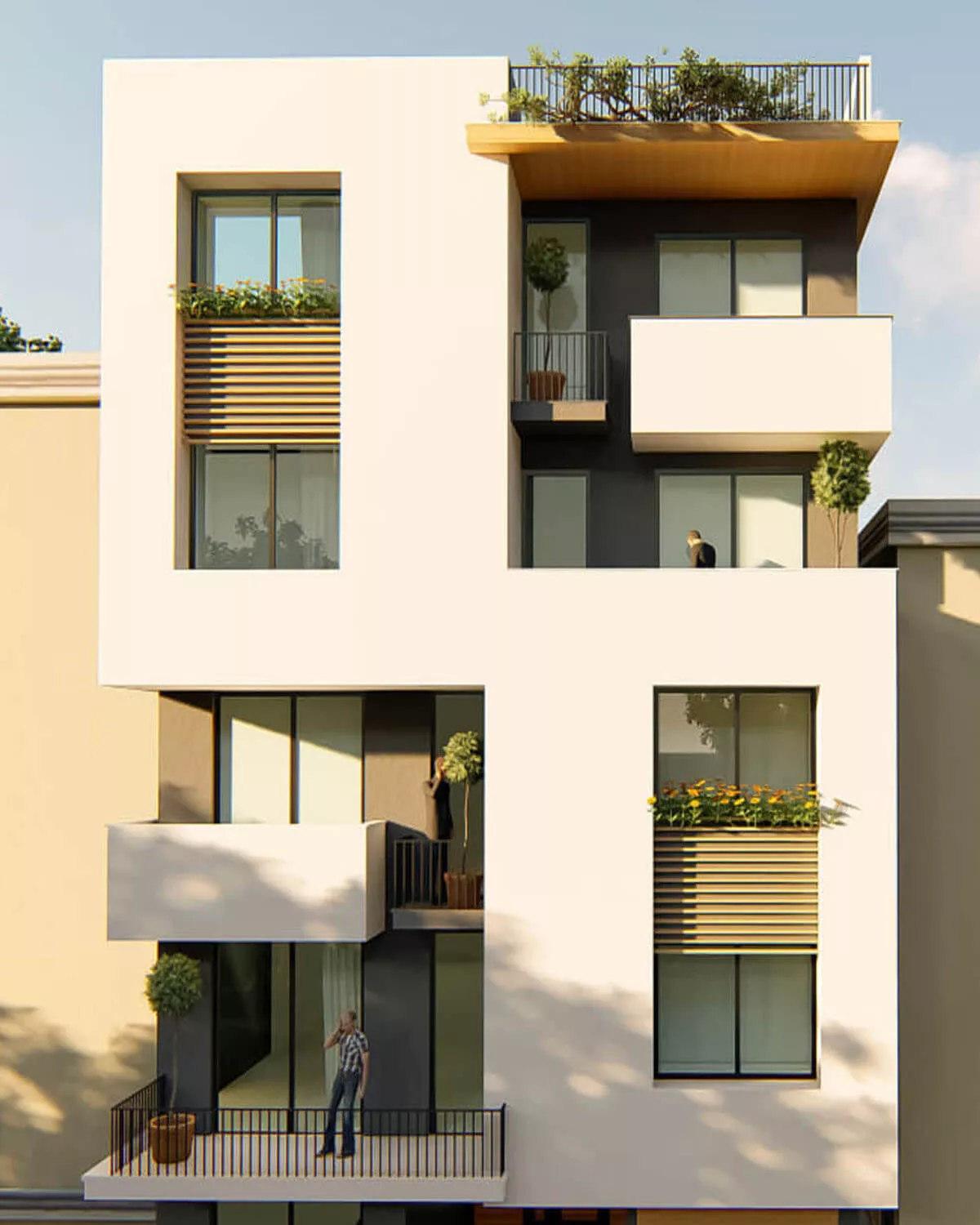
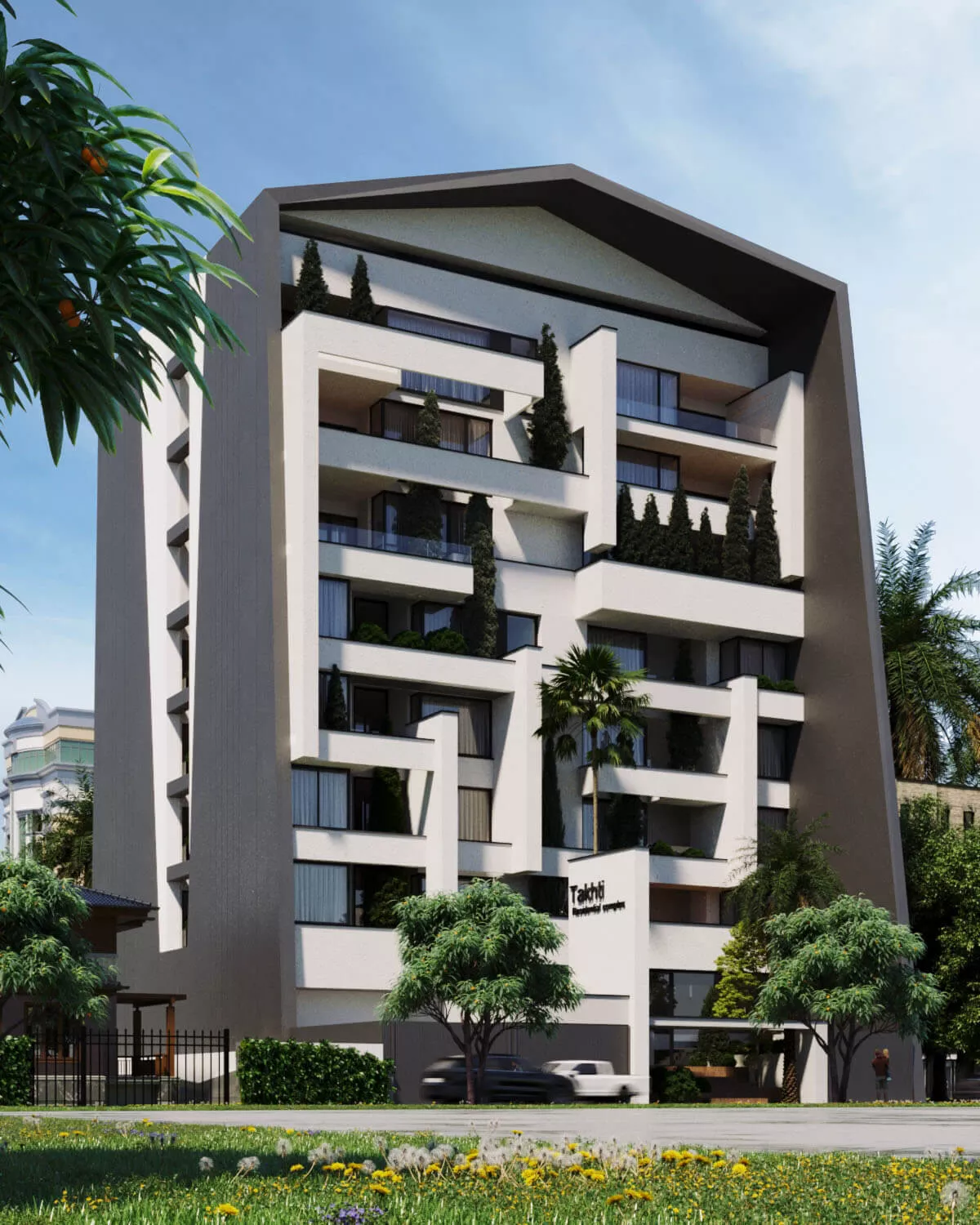
Exterior 3D rendering creates photorealistic images of a building's facade, landscaping, and surroundings. RenderLand delivers multiple camera angles. Street-level perspectives, elevated views, and wide context shots across a range of lighting scenarios including midday, golden hour, twilight, and night. Each render uses physically-based rendering (PBR) materials to accurately simulate glass, concrete, timber, brick, metal cladding, and stone. Sky environments are set using HDRI photography for maximum realism. Exterior renders are used by developers for planning submissions, by architects for competition boards, and by real estate marketers for hoarding graphics and digital advertising.
Interior 3D Rendering Services
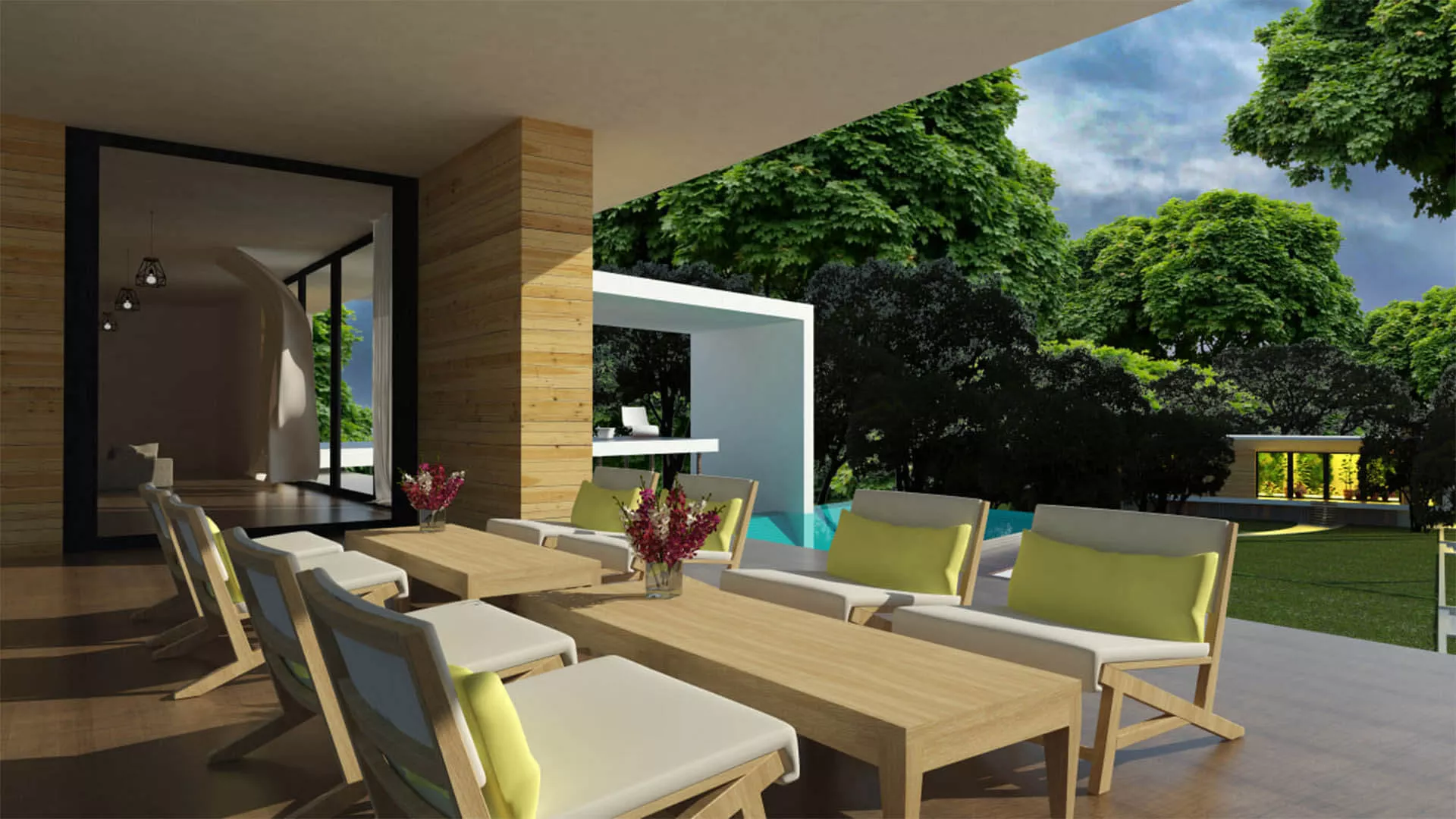
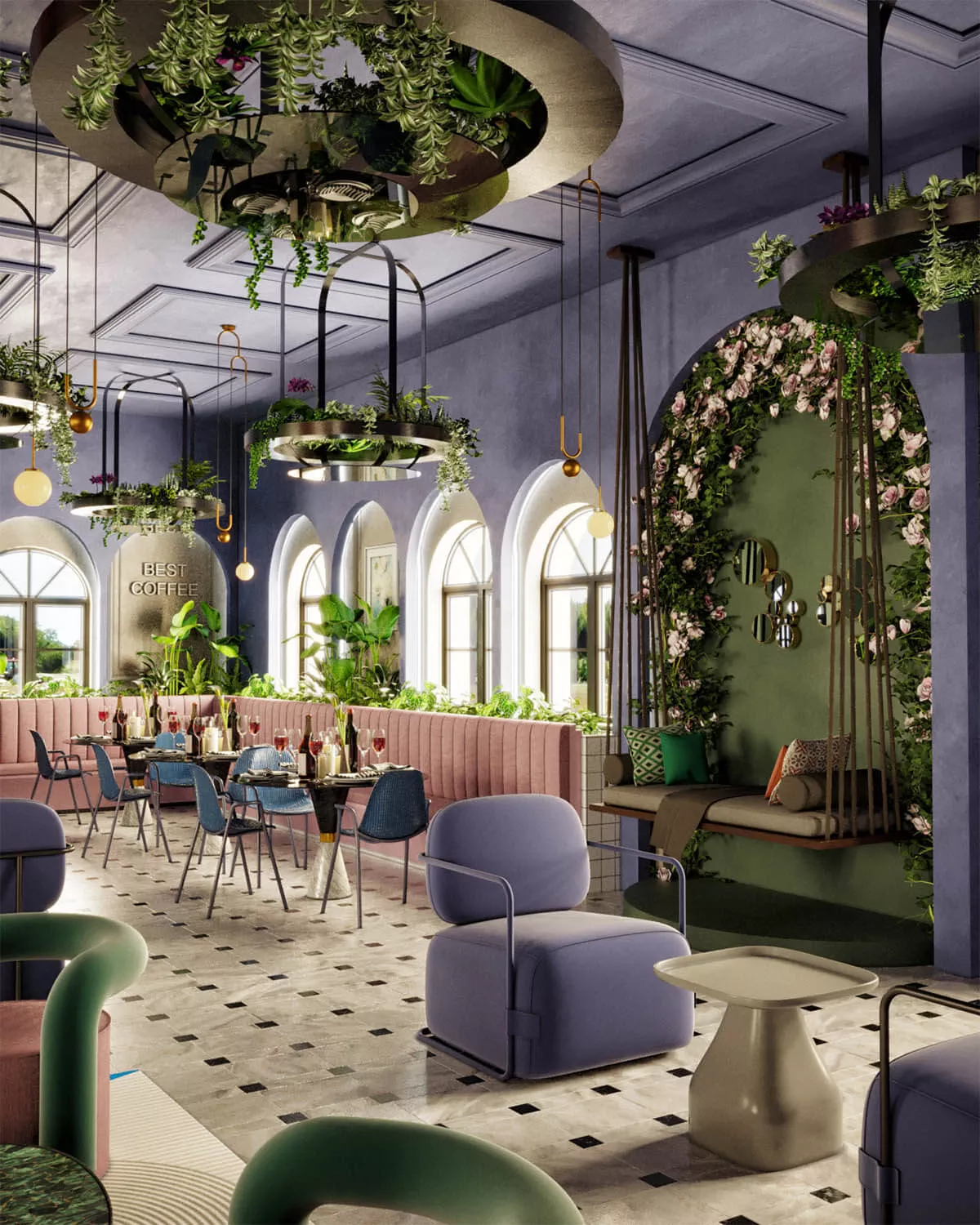
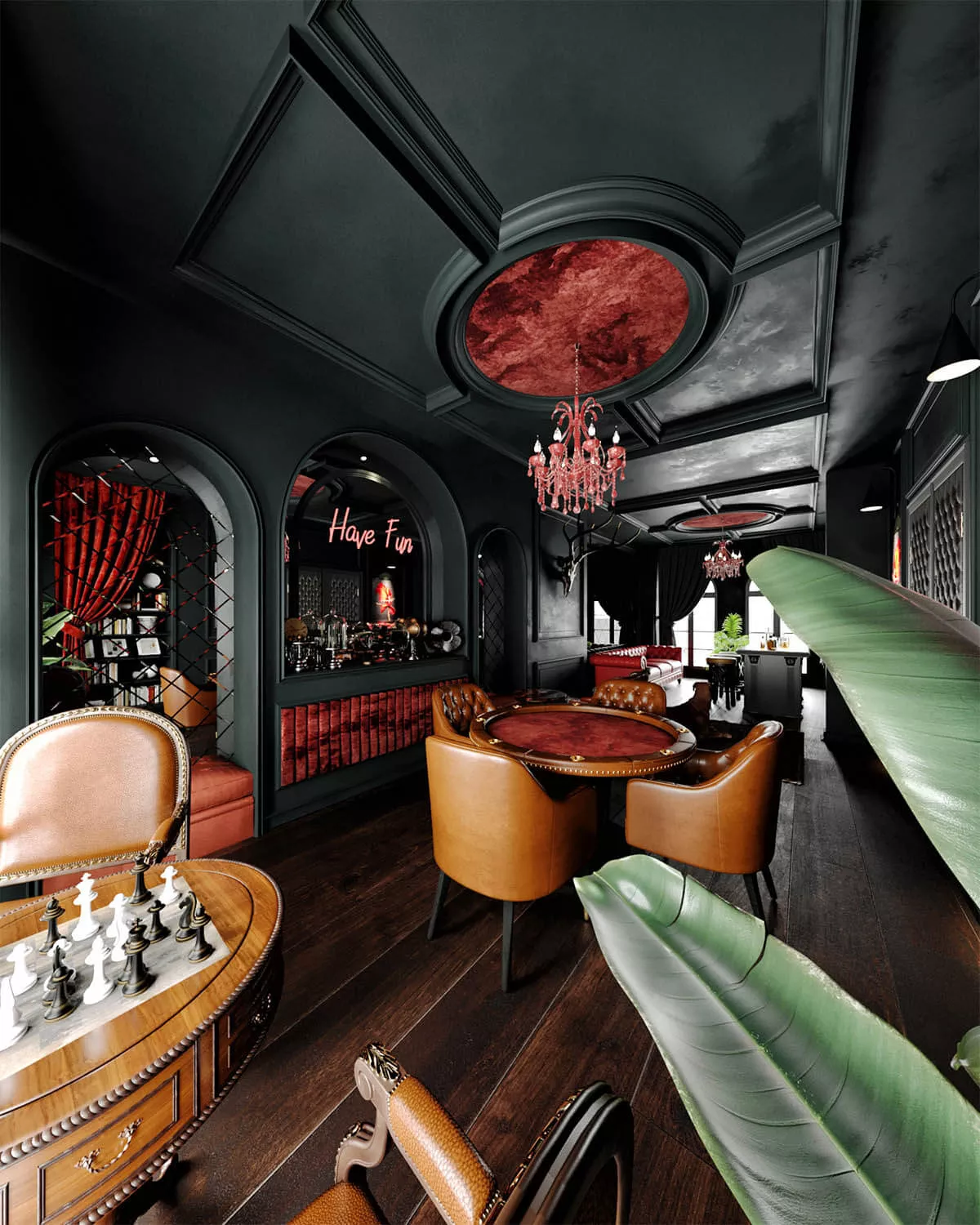
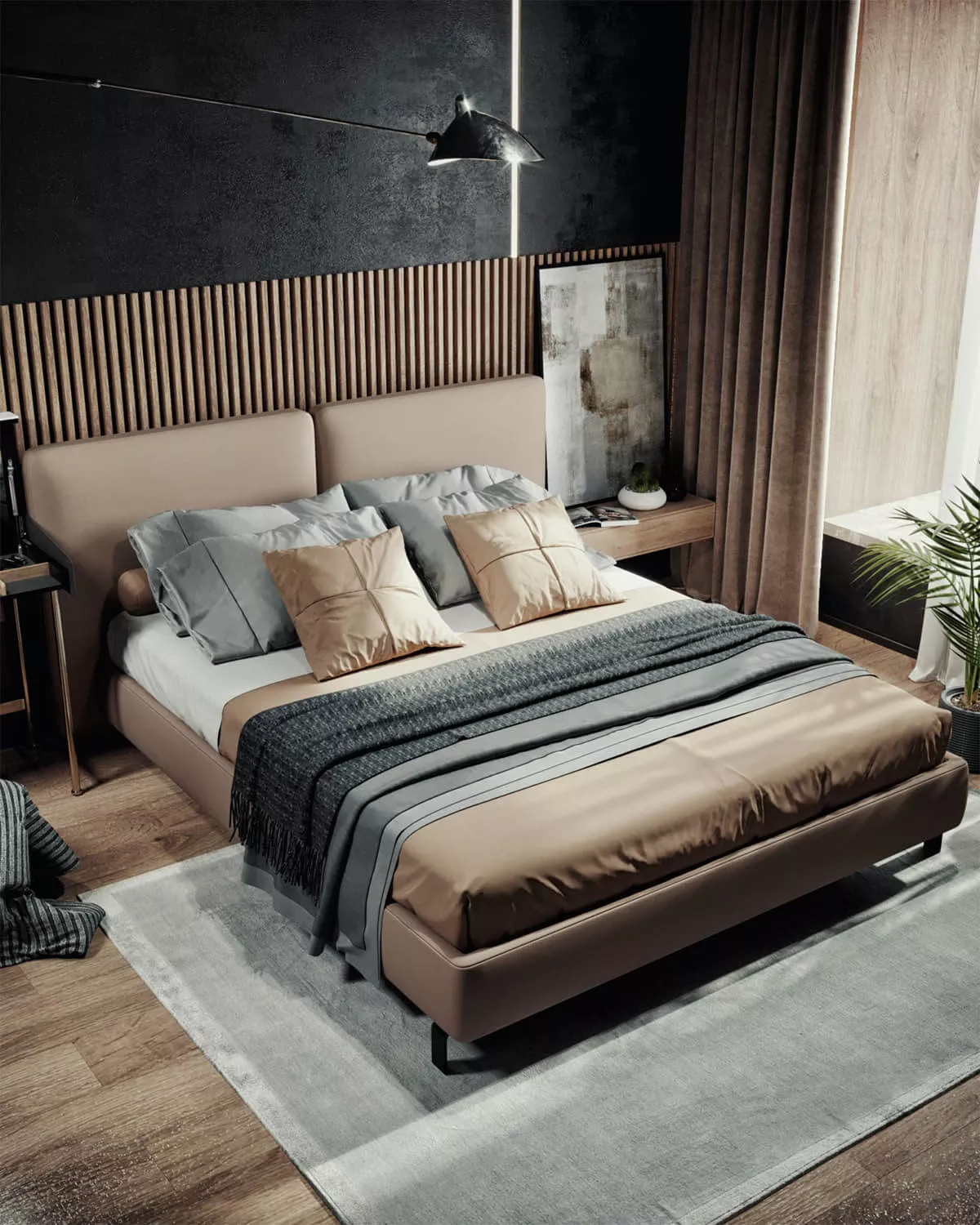
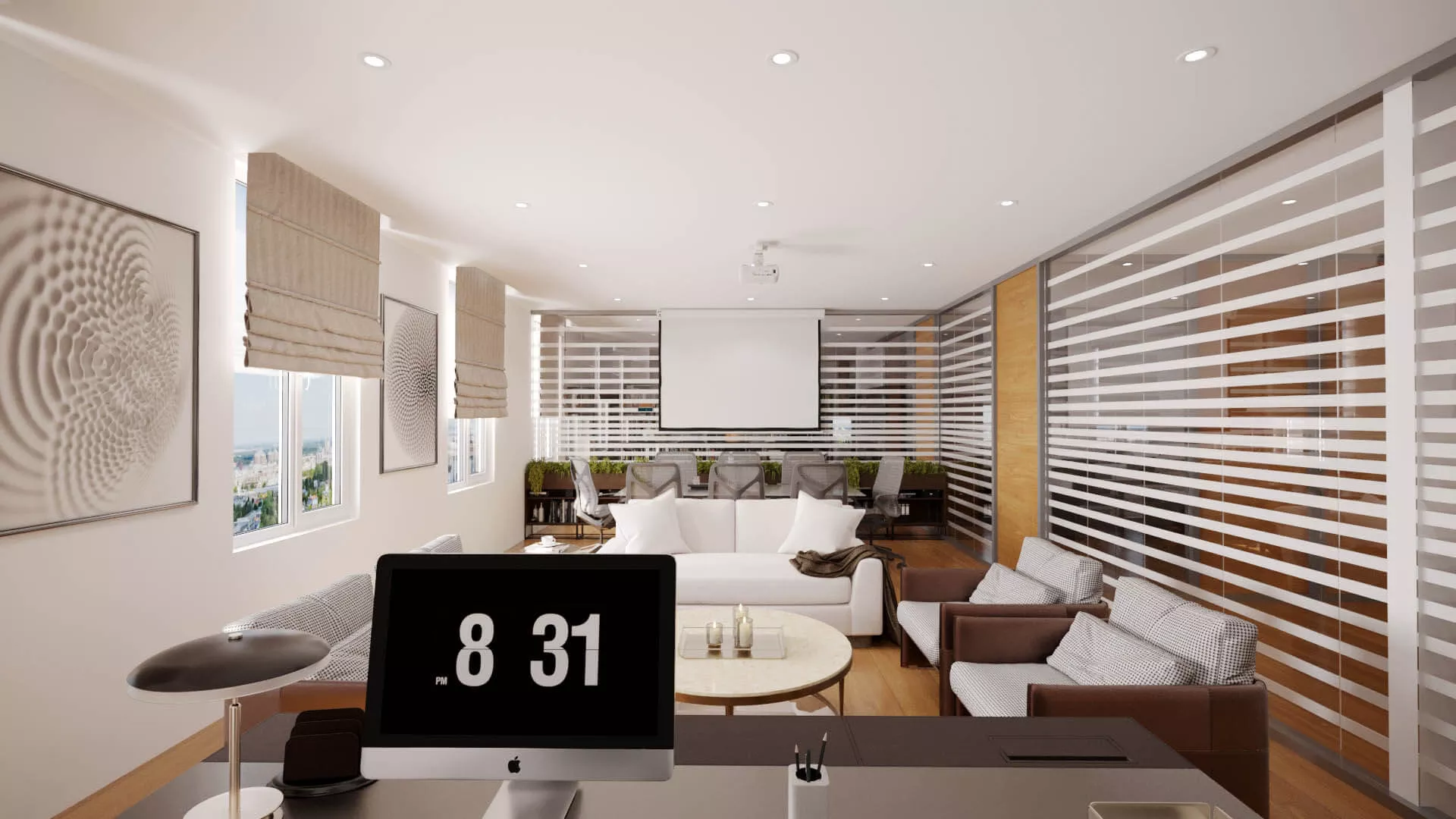
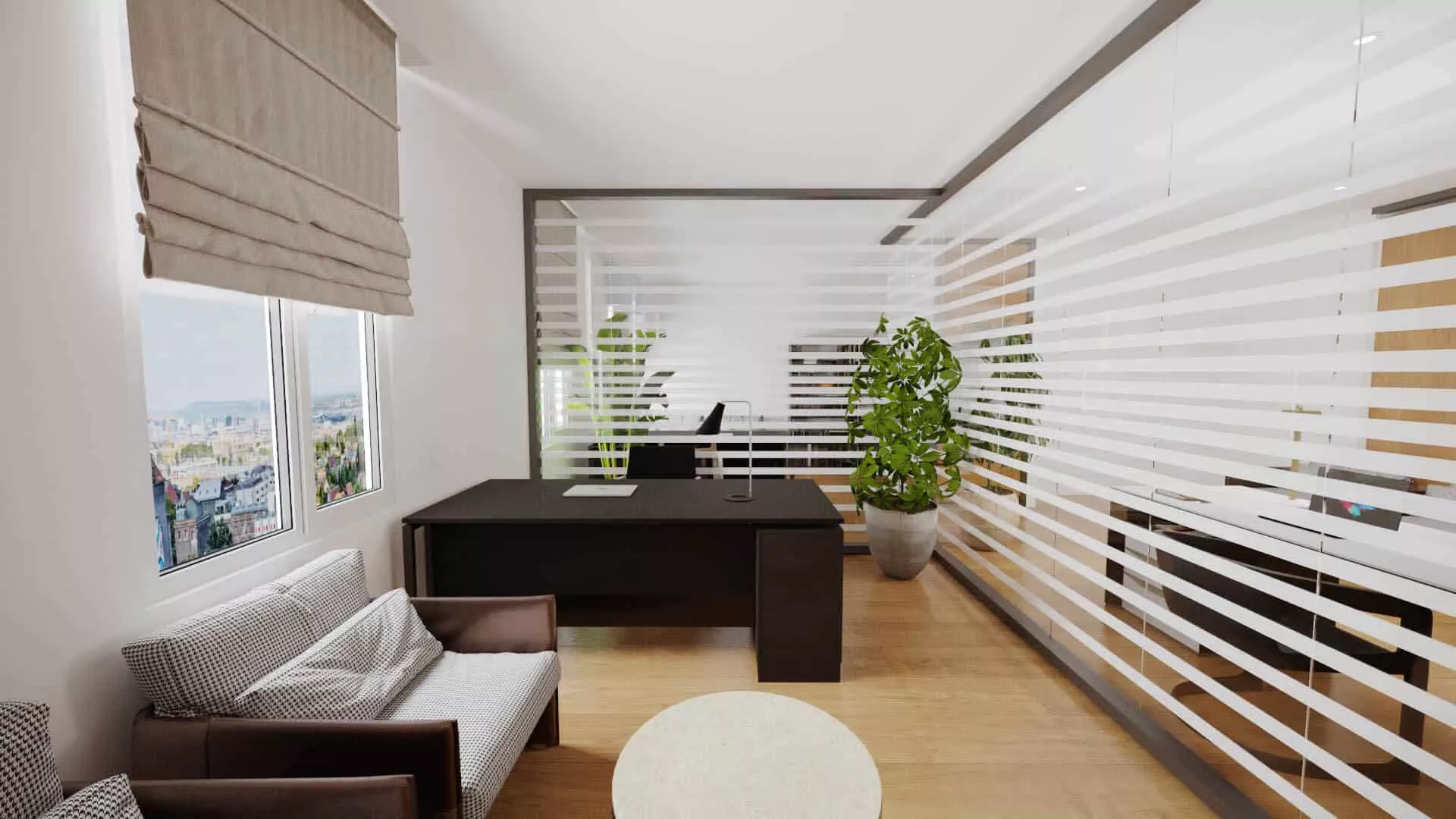
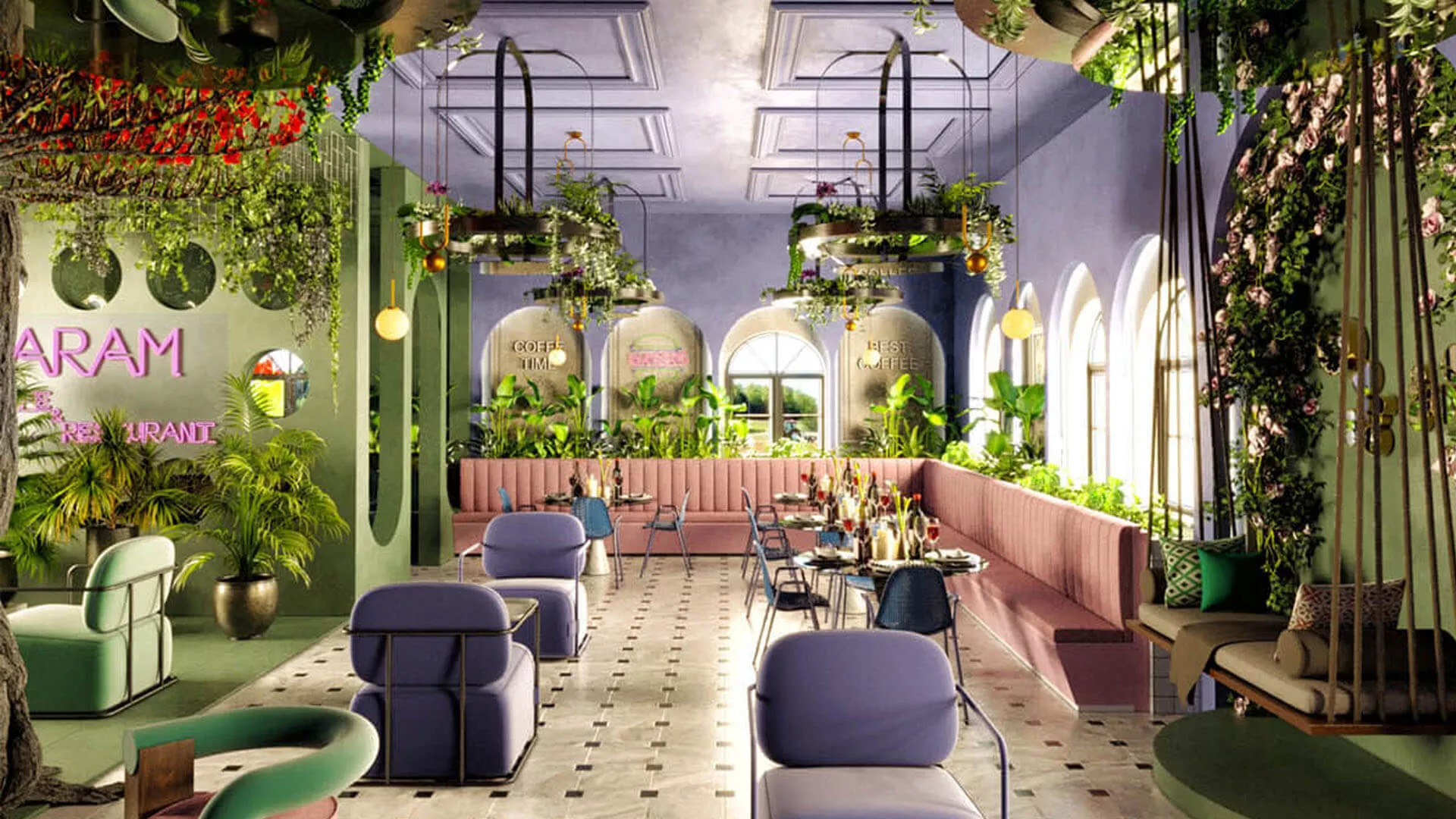
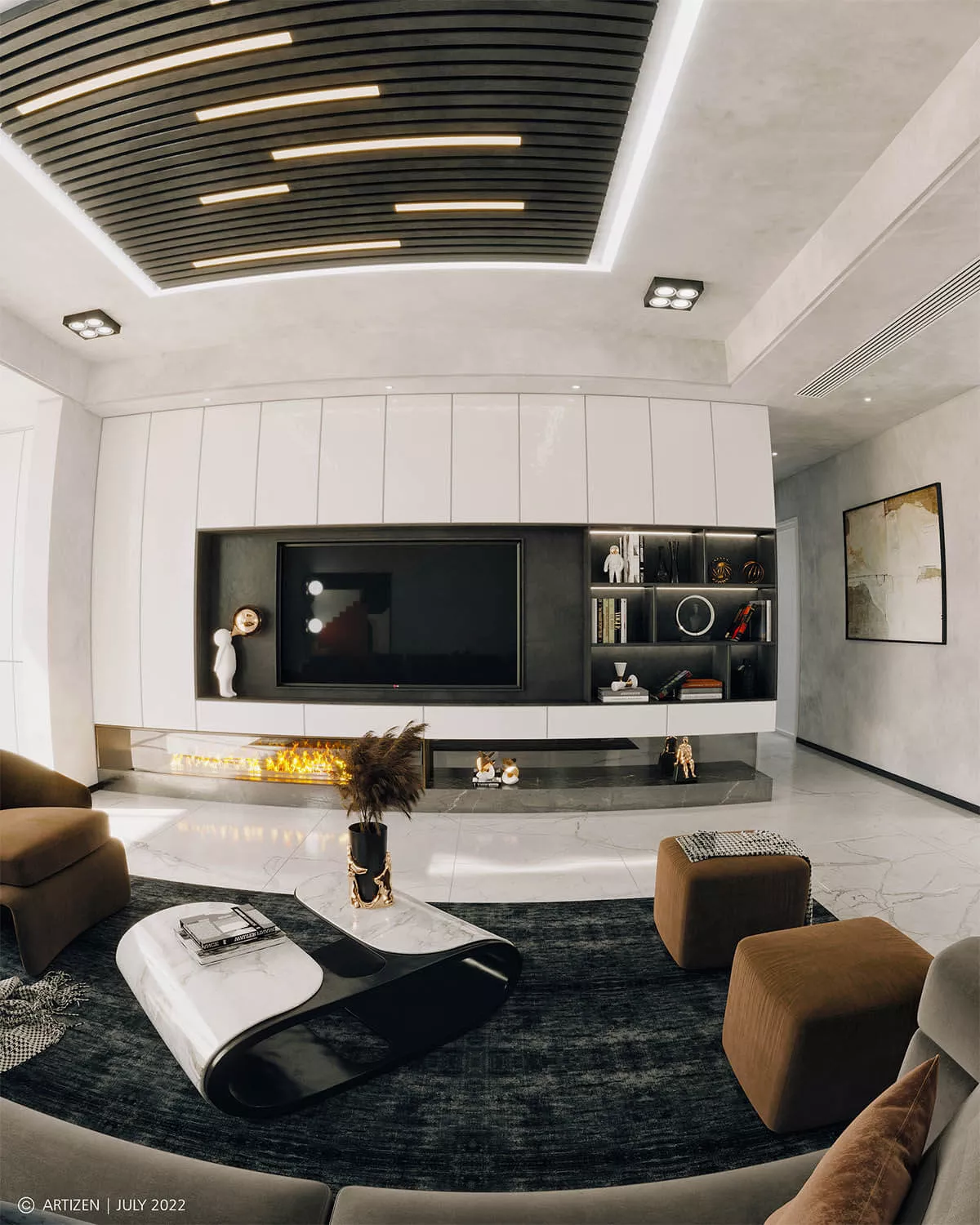
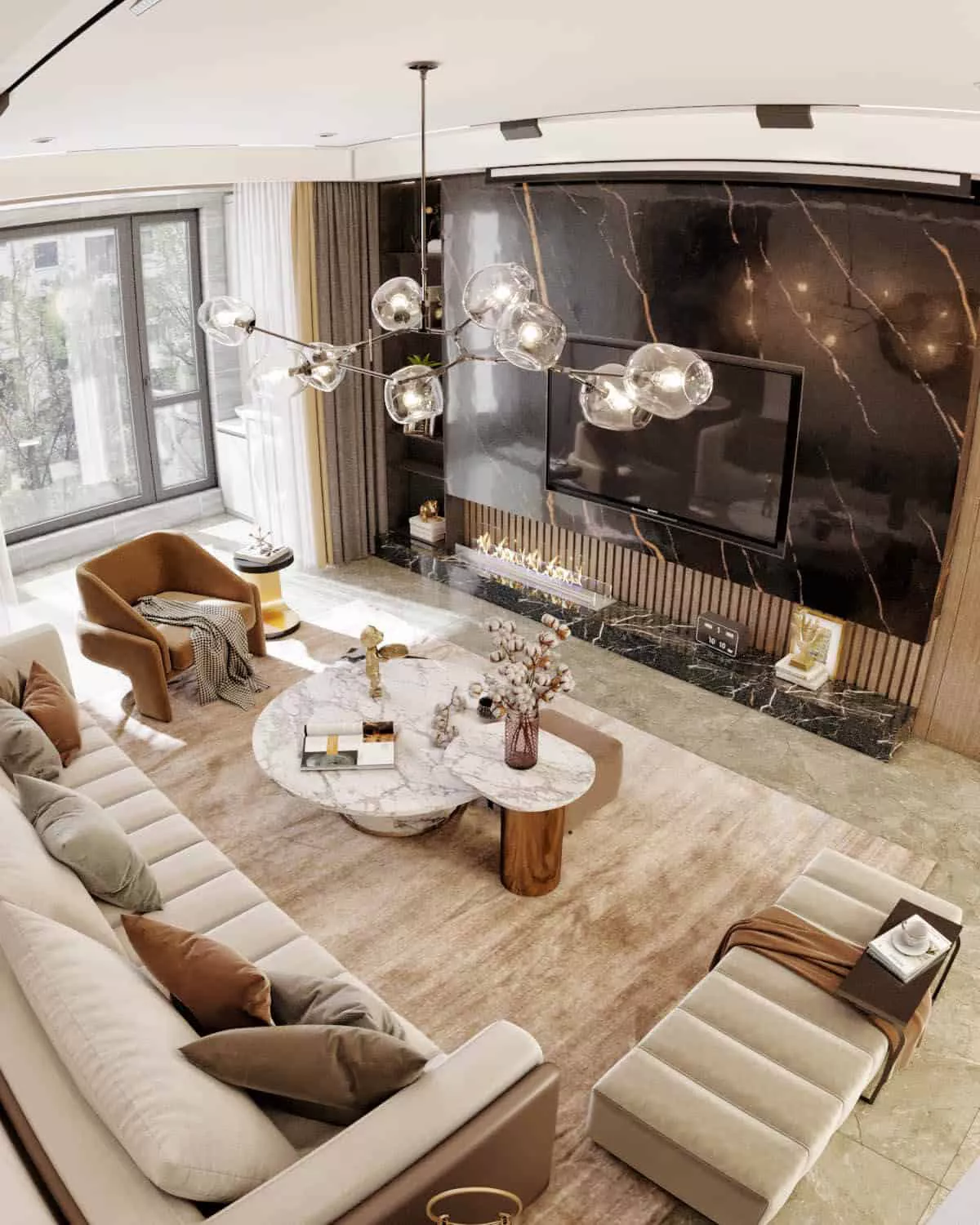
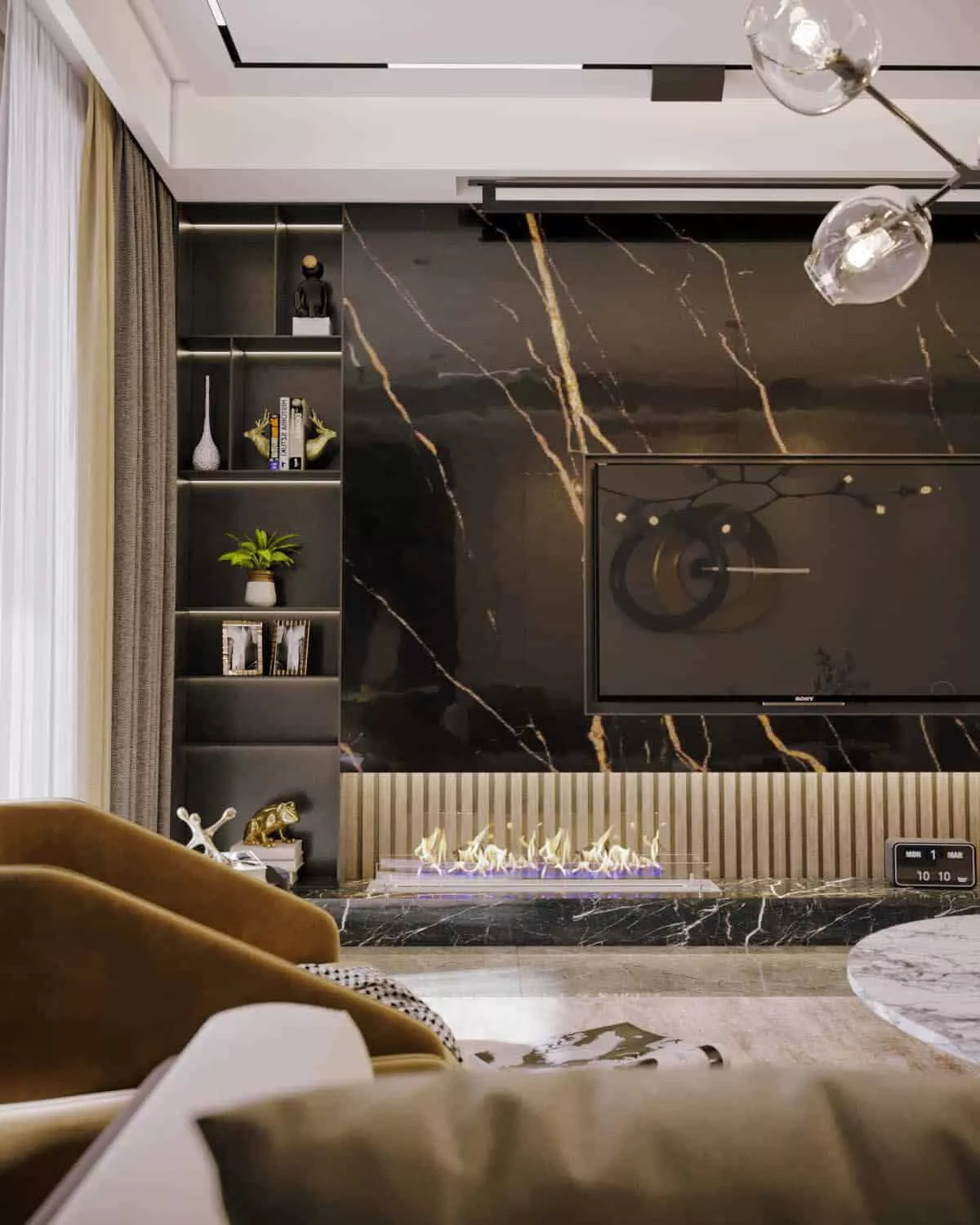
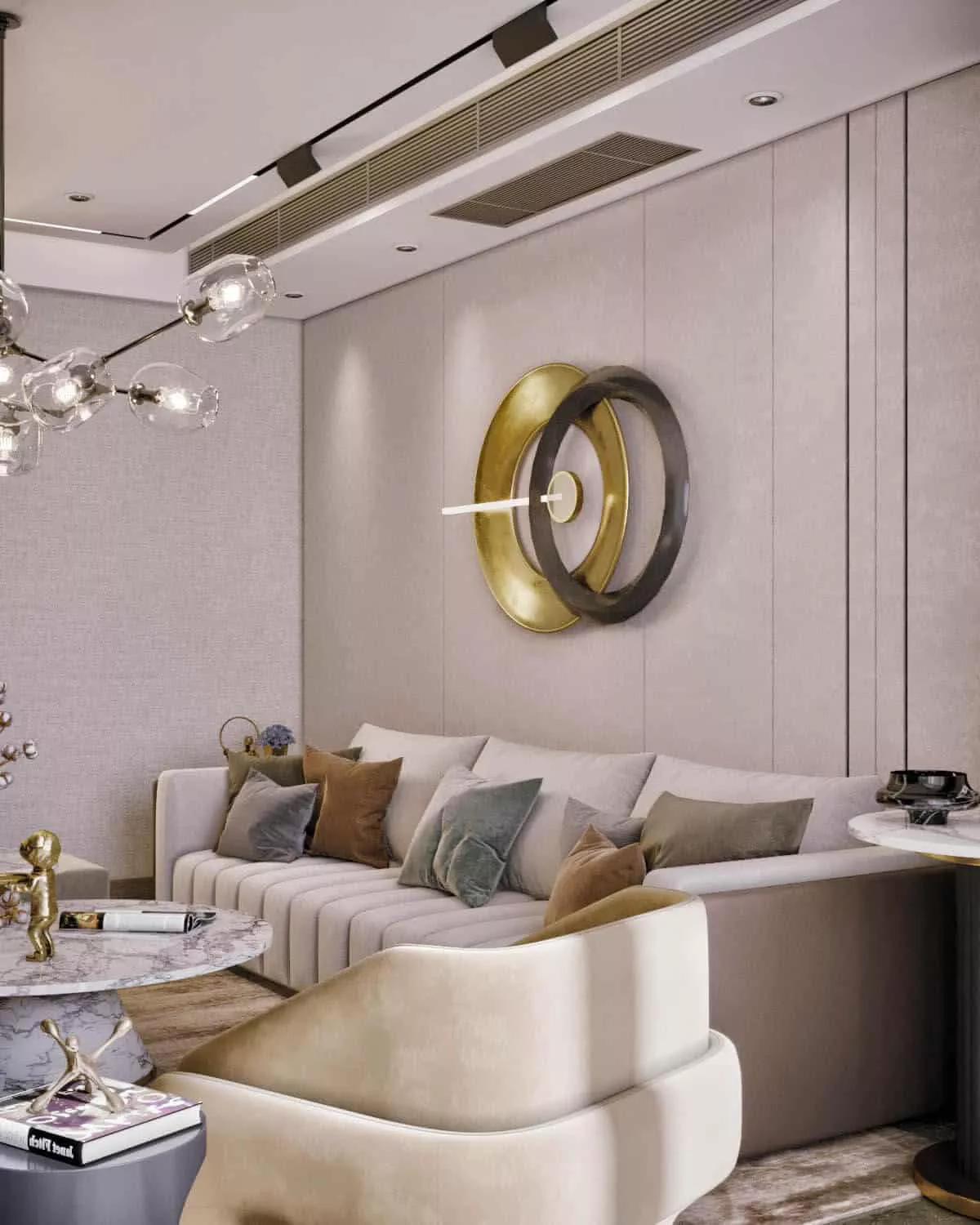
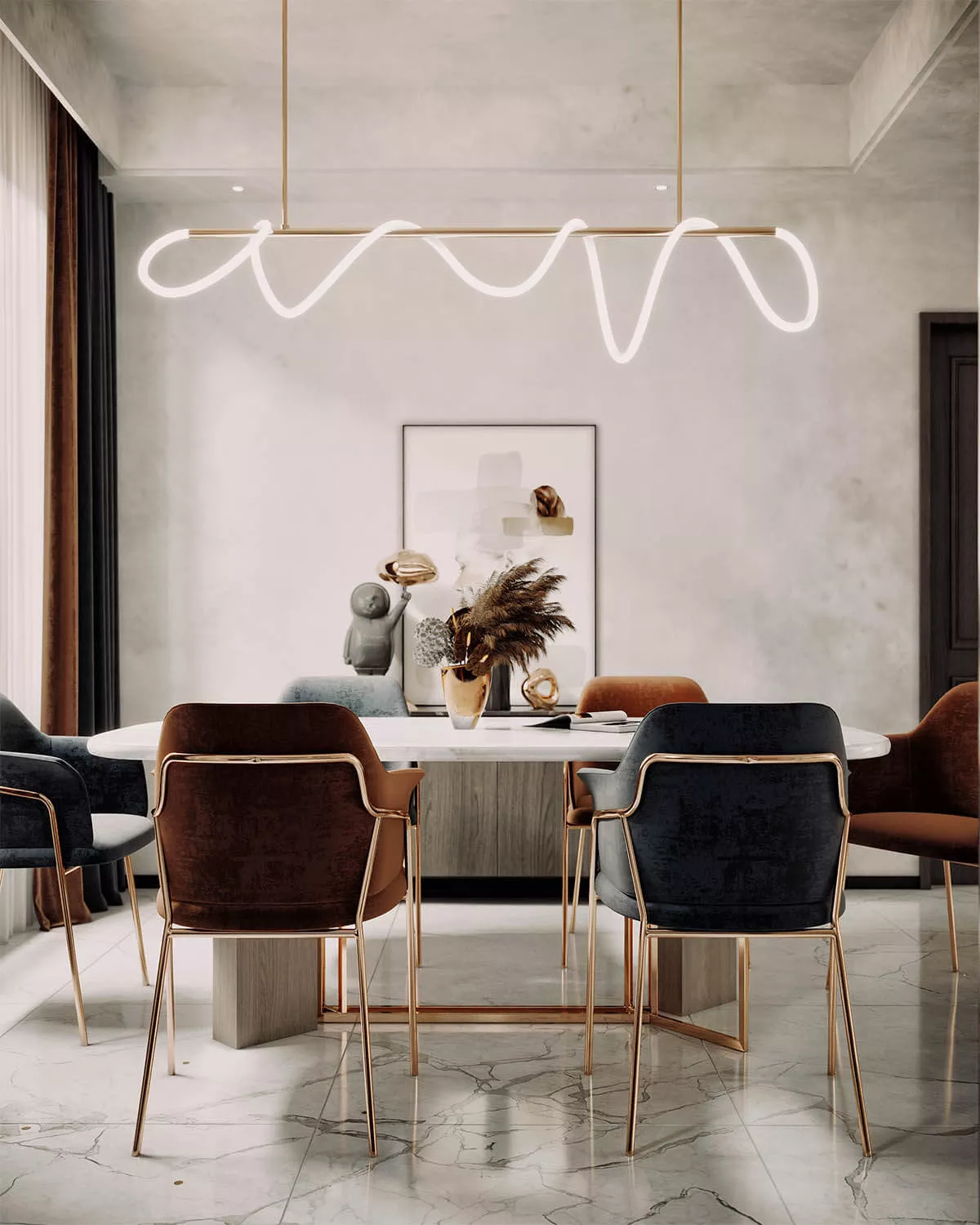
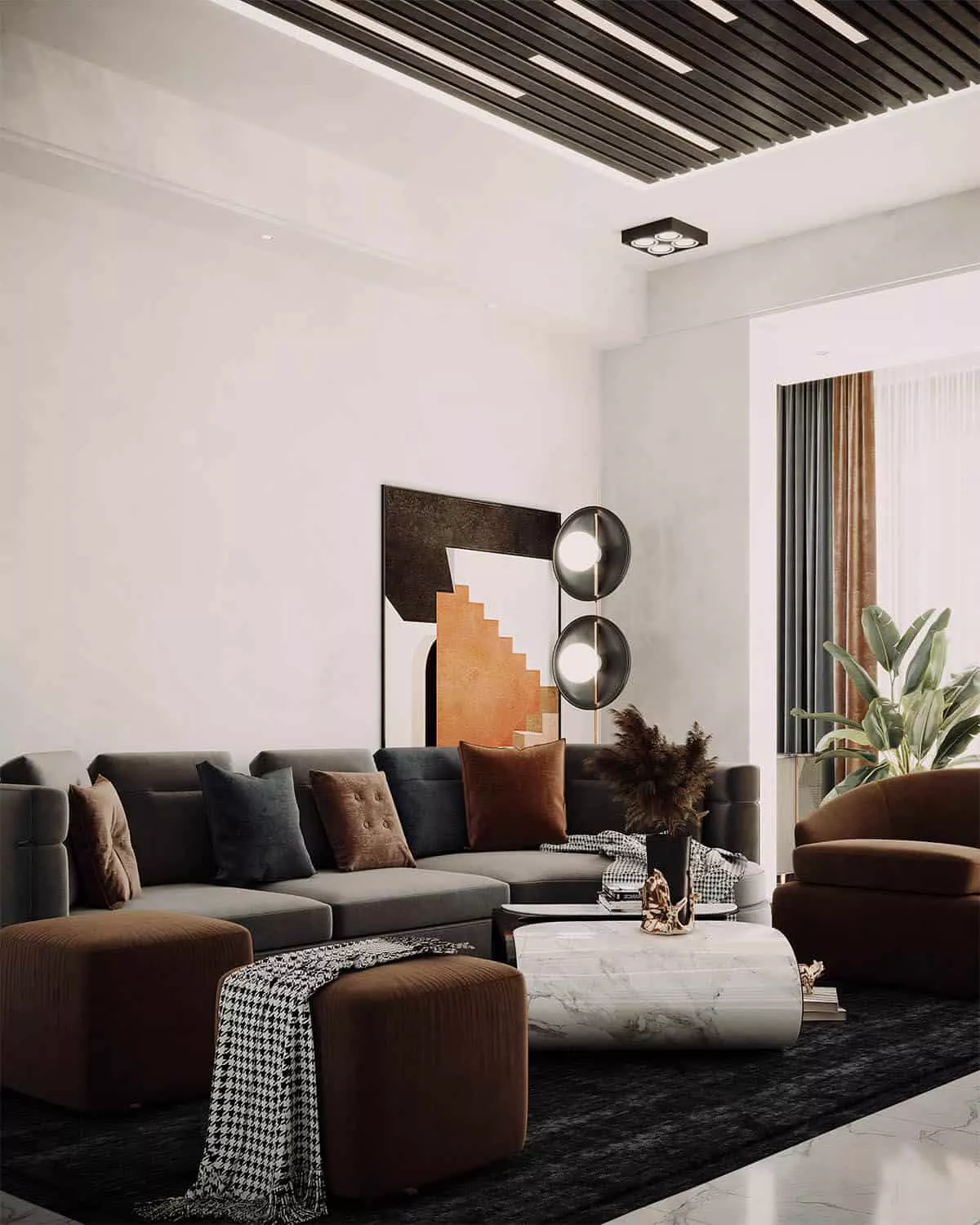
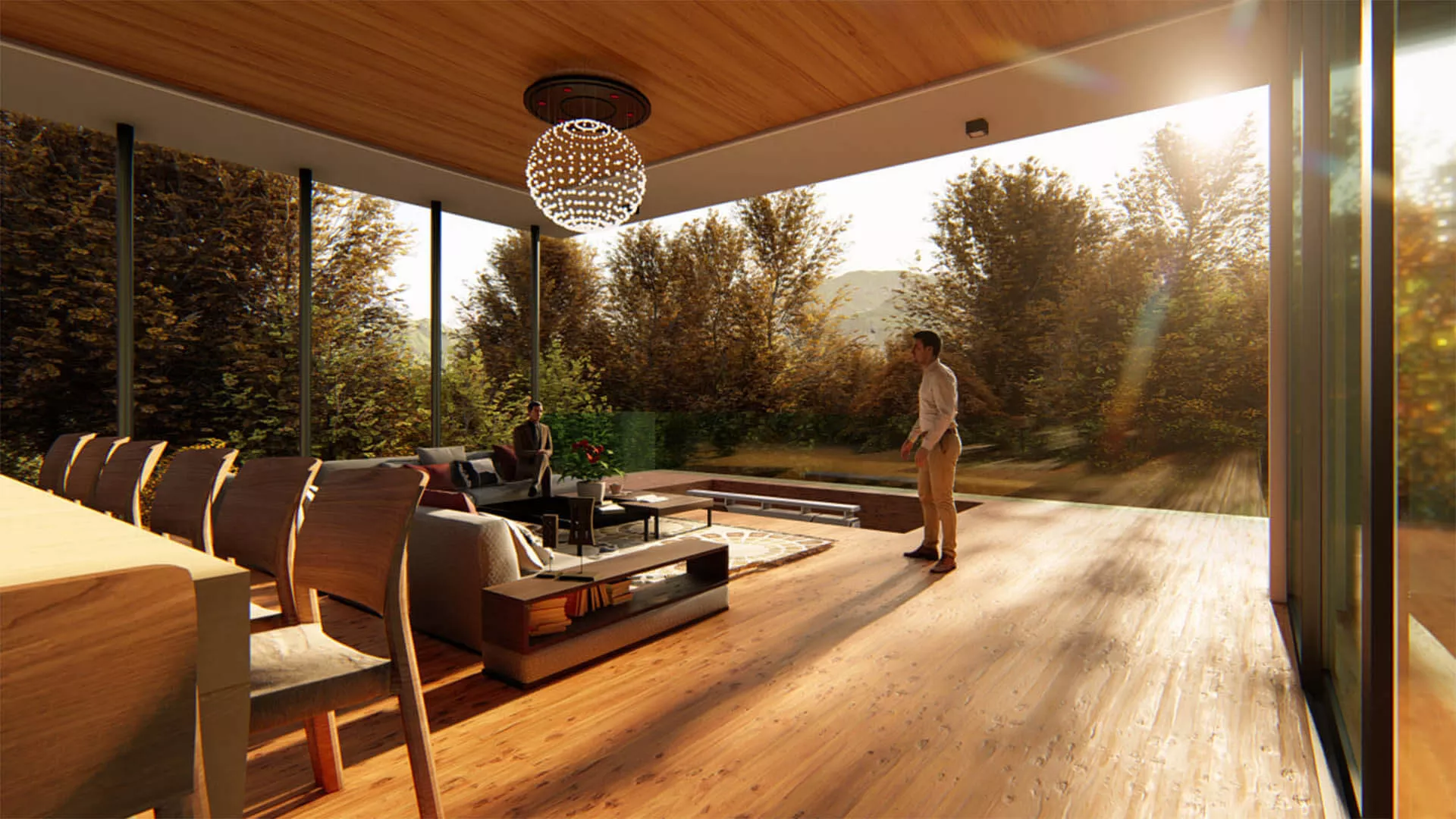
Interior 3D rendering services produce room-by-room photorealistic visualizations of spatial layouts, material finishes, furniture selections, and lighting conditions. RenderLand's interior renders are used by luxury residential developers to market apartments and homes, by interior designers to present schemes to clients, and by hospitality brands to communicate room quality before fit-out. Our team works closely with clients on material selection helping you test combinations of floor finishes, wall treatments, and soft furnishings before procurement commitments are made. Interior mood boards and lighting simulations are included as part of the process.
Architectural Walkthrough Animation
An architectural walkthrough animation is a cinematic video that moves through a building or development, revealing spaces in sequence. RenderLand produces camera path animations delivered in MP4 at 4K resolution, paced for narration or synchronized to a music track. Walkthroughs are used by developers presenting to investors, by architects at client presentations, and by marketing teams for social media and digital advertising campaigns. The difference between a still render and a walkthrough is the difference between a photograph and a film. One captures a moment, the other tells a story.
3D Virtual Tour Services
3D virtual tour services create interactive 360-degree experiences that viewers navigate themselves on desktop browsers, mobile devices, or showroom kiosks. Unlike a walkthrough animation with a fixed camera path, a virtual tour lets the viewer choose where to look and which spaces to explore. RenderLand produces Matterport-style navigable tours with hotspot annotations, embedded floor plan navigation, and full embed compatibility for websites and landing pages. Virtual tours are used by real estate developers for remote buyer presentations, by hospitality brands for pre-booking room previews, and by co-working operators to market available spaces.
Aerial View and Drone-Perspective Rendering
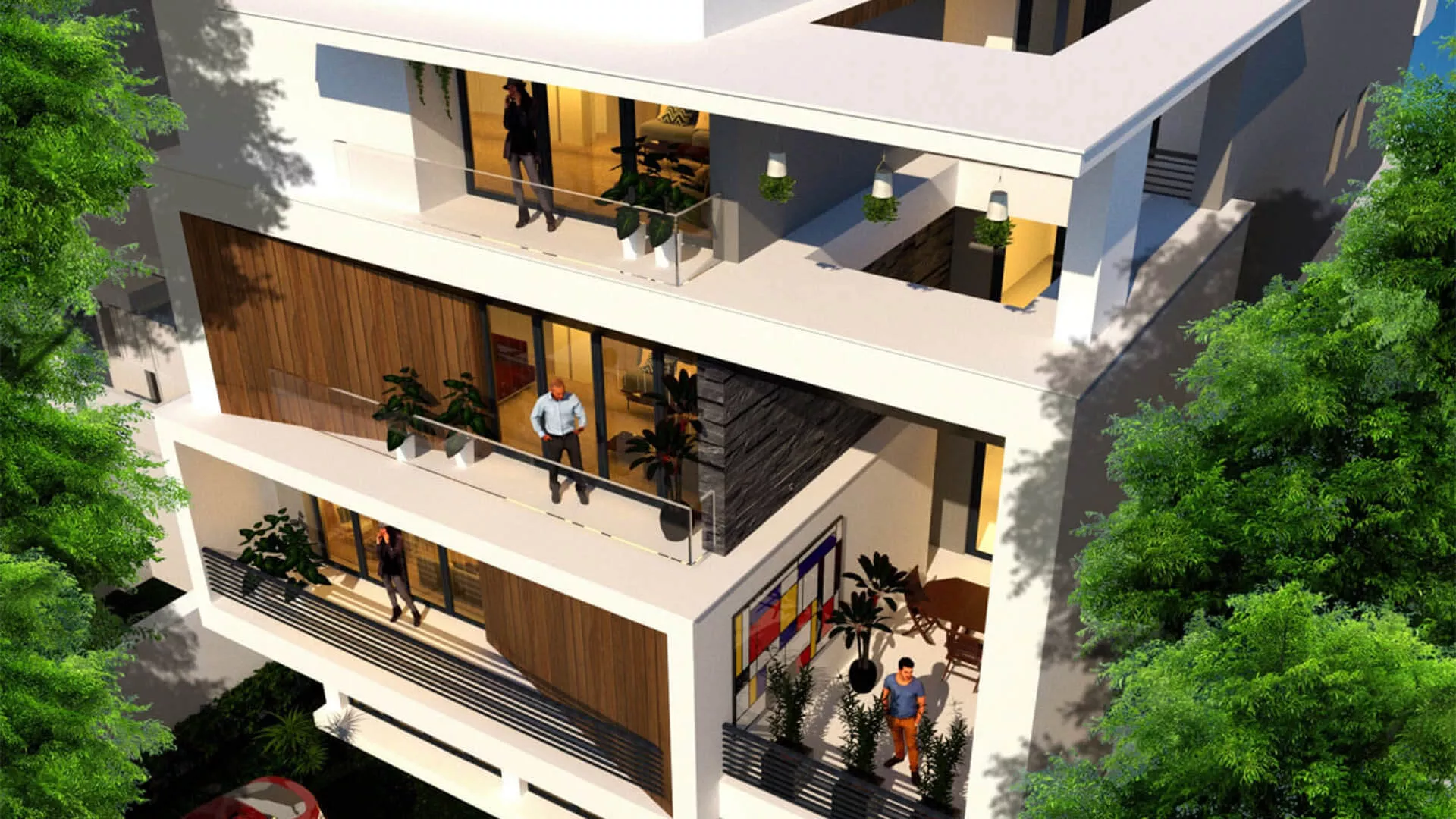
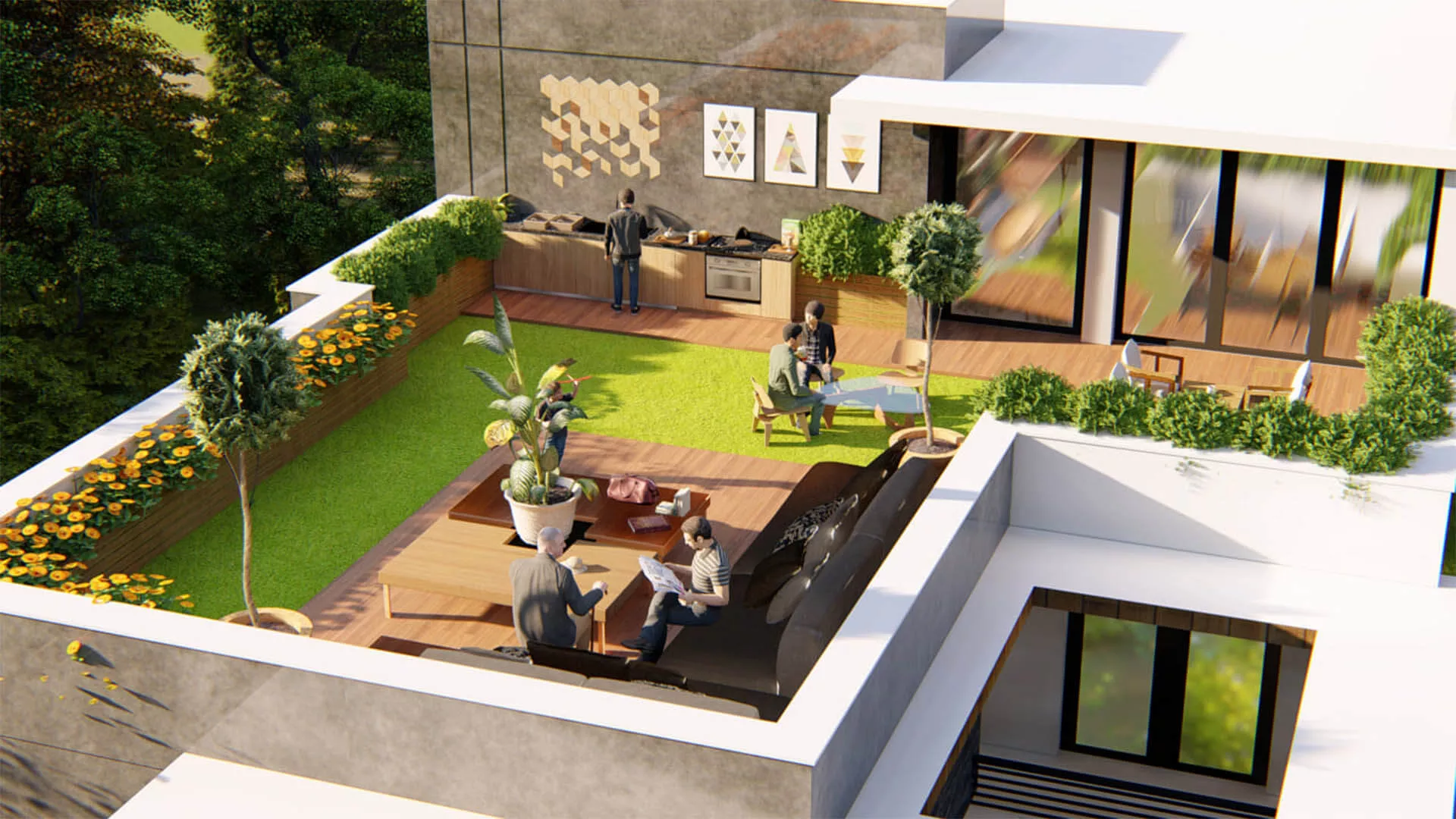
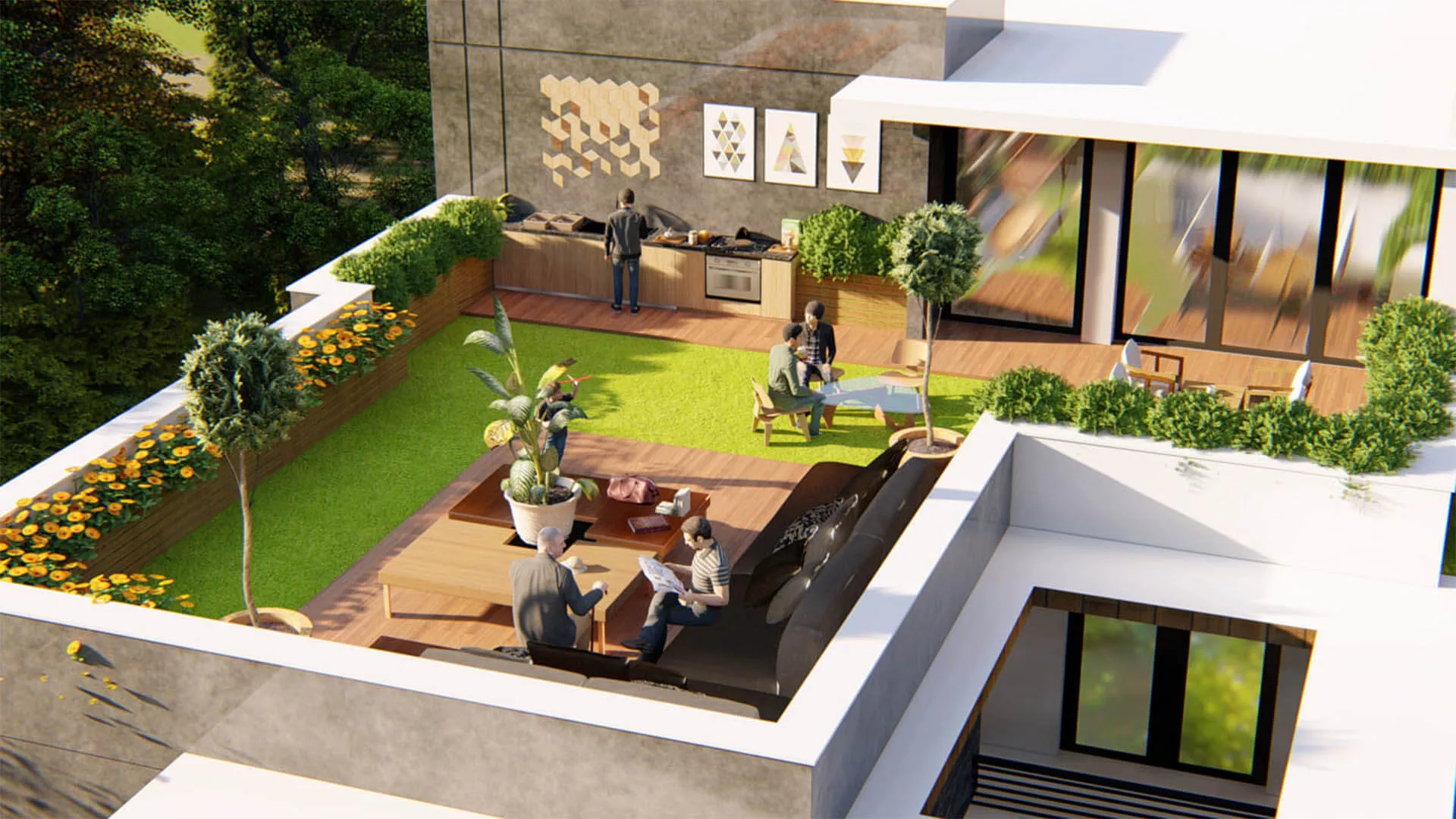
Aerial view rendering produces bird's-eye and elevated perspective images that communicate site layout, development scale, and surrounding context. These renders are essential for master plan developers and urban planners who need to show how a project integrates into its broader environment. RenderLand produces rendered site plans, drone-view aerial renders with accurate landscaping and shadow studies, and urban massing study visuals calibrated to planning submission standards. For resort and waterfront developments, aerial renders capture the relationship between architecture and landscape in a way that no ground-level perspective can match.
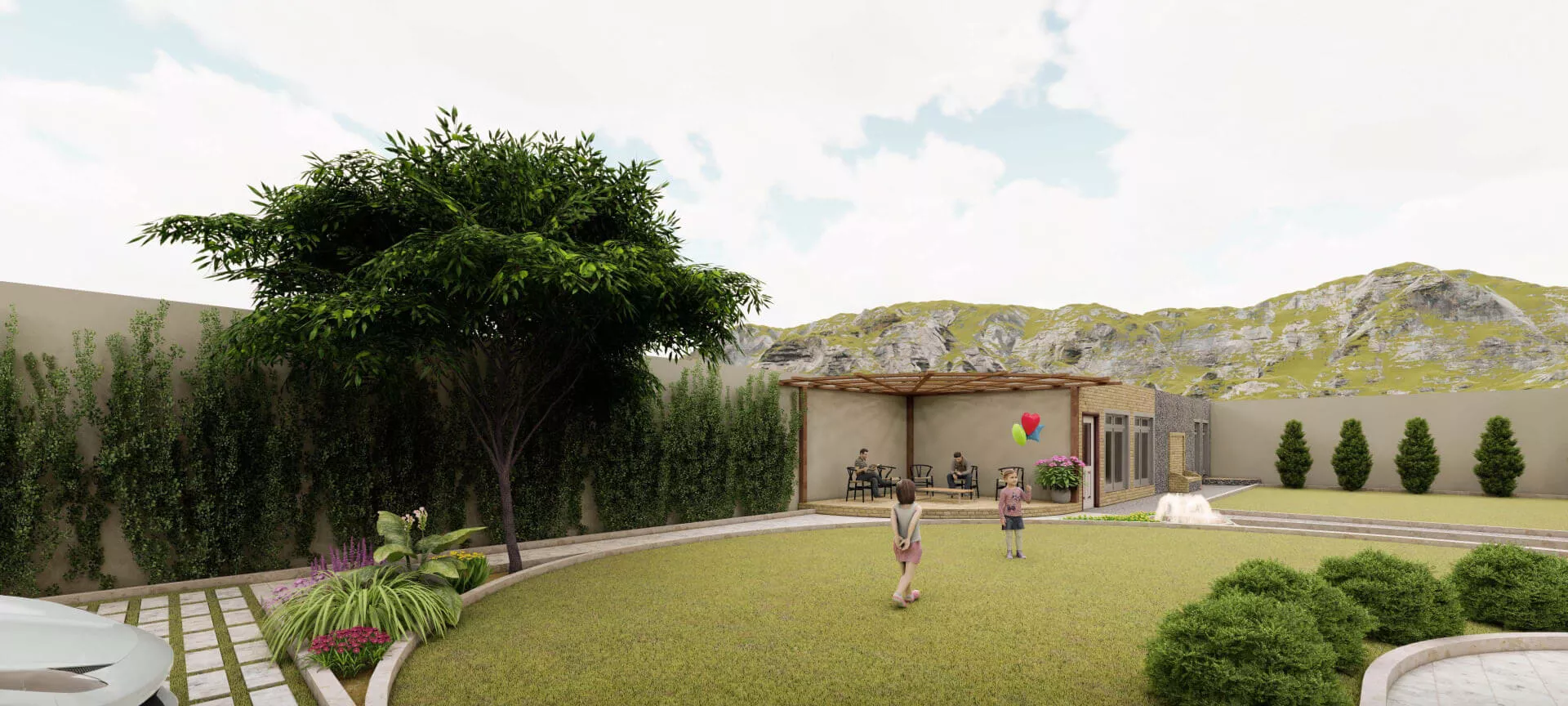
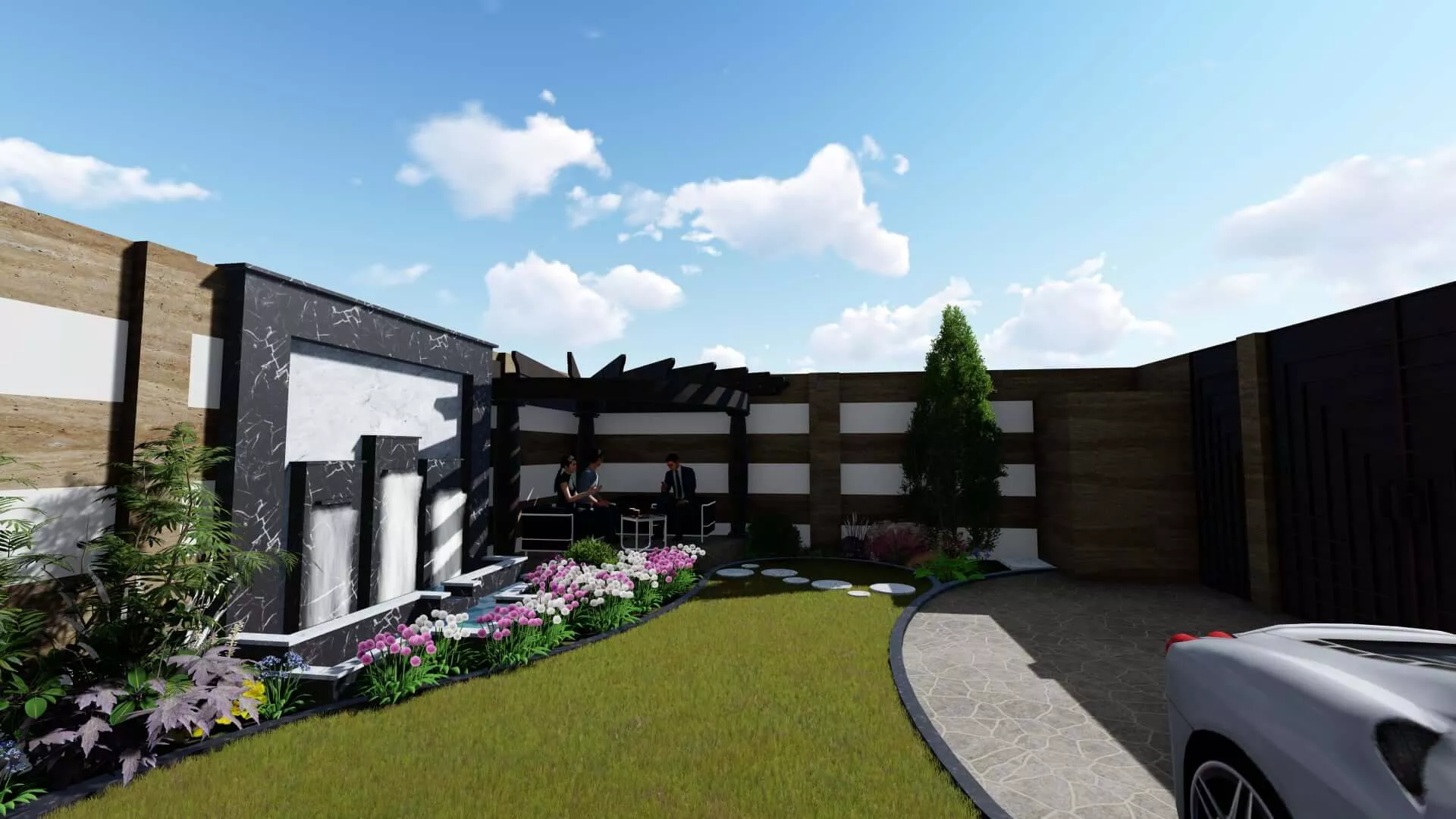
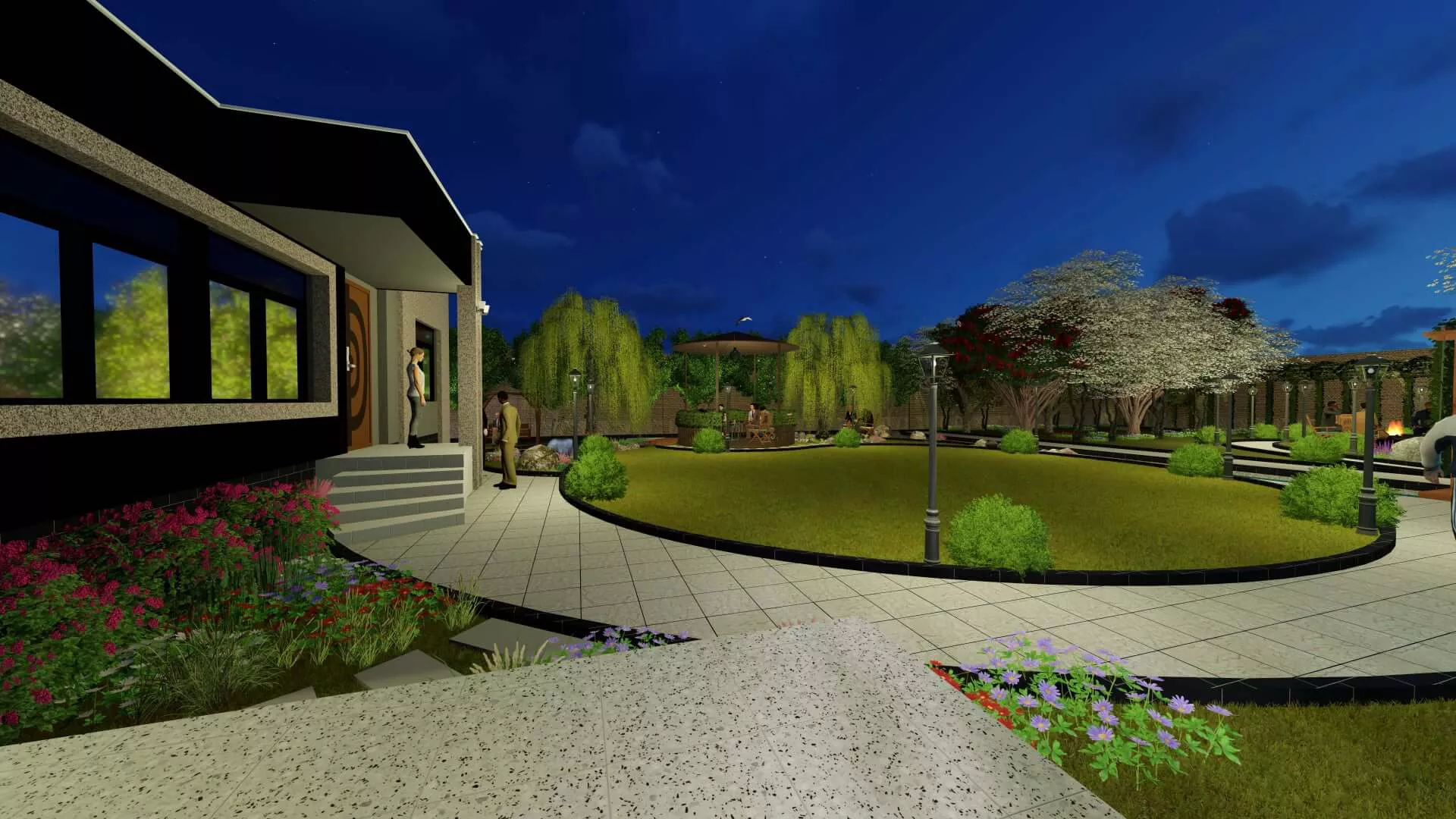
Landscape Rendering Services
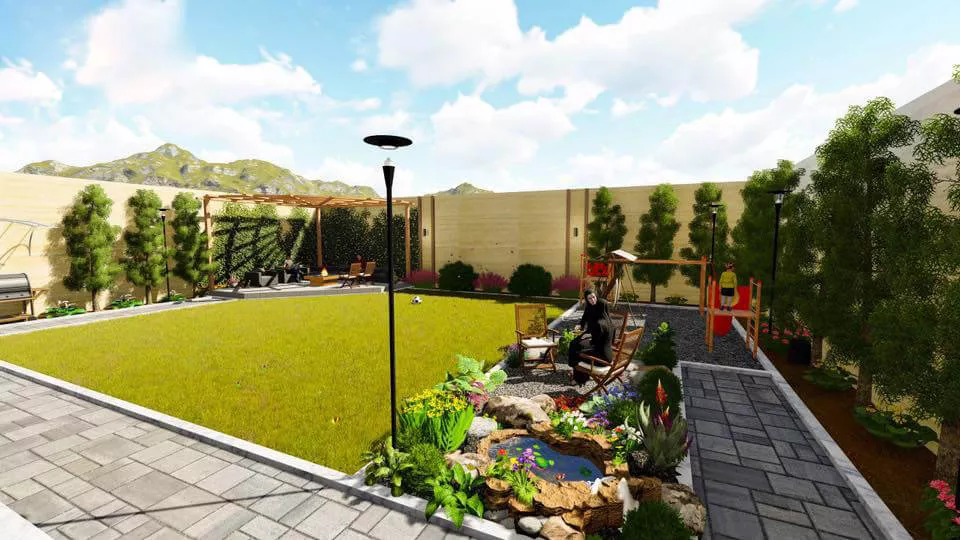
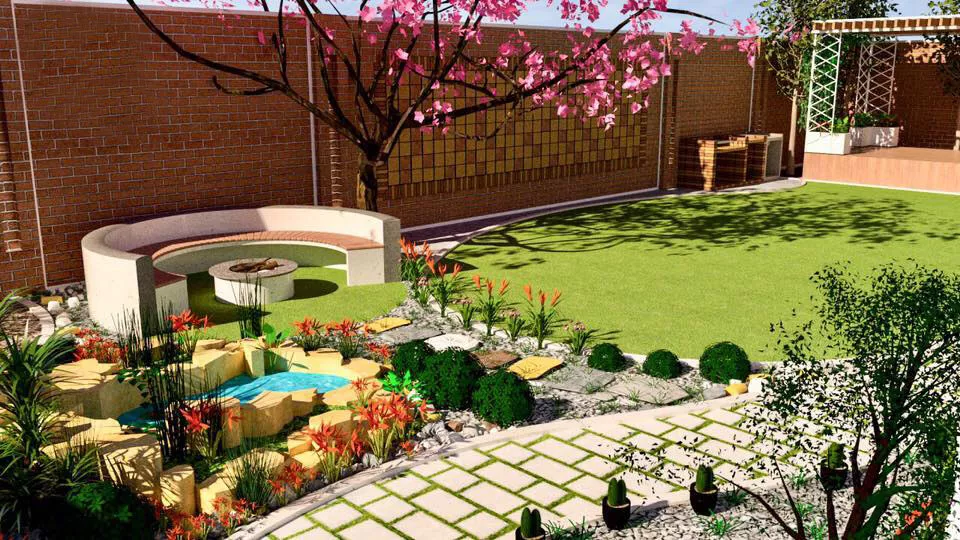
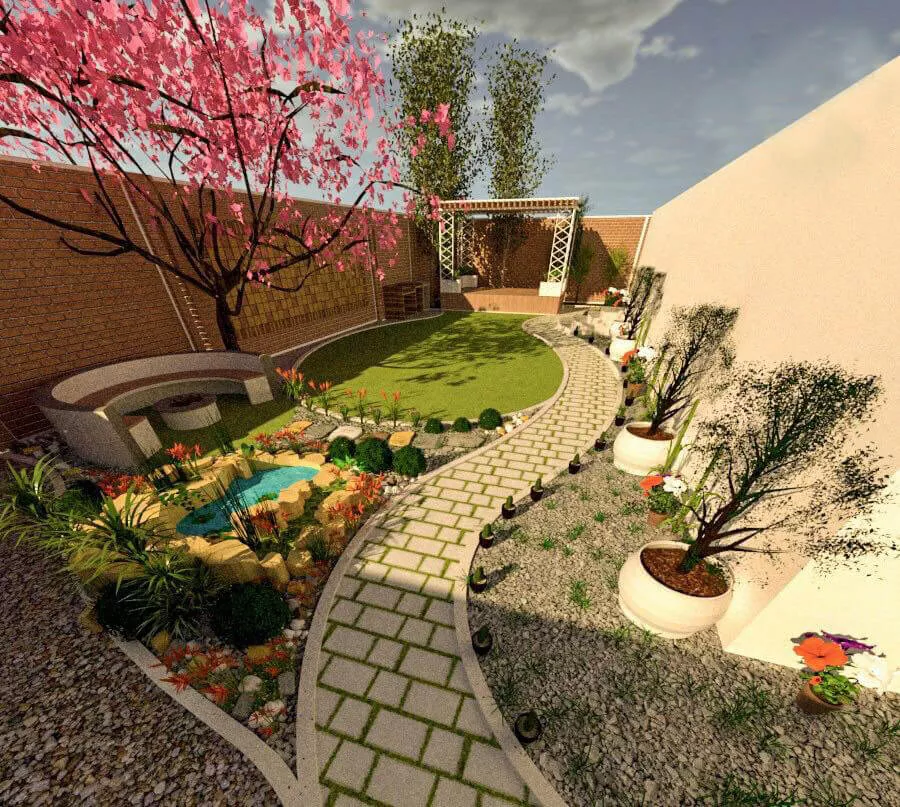
Landscape rendering visualizes outdoor environments, hardscaping, planting, water features, public realm, and pedestrian routes. RenderLand works with landscape architects, residential developers, and municipal planning teams to produce seasonal studies, species-accurate planting visualizations, and lighting simulations for evening and nighttime scenarios. A landscape concept render communicates the lived quality of an outdoor space far more effectively than a CAD plan. For public consultation materials and planning applications, landscape rendering helps communities and authorities understand what a finished environment will actually feel like.
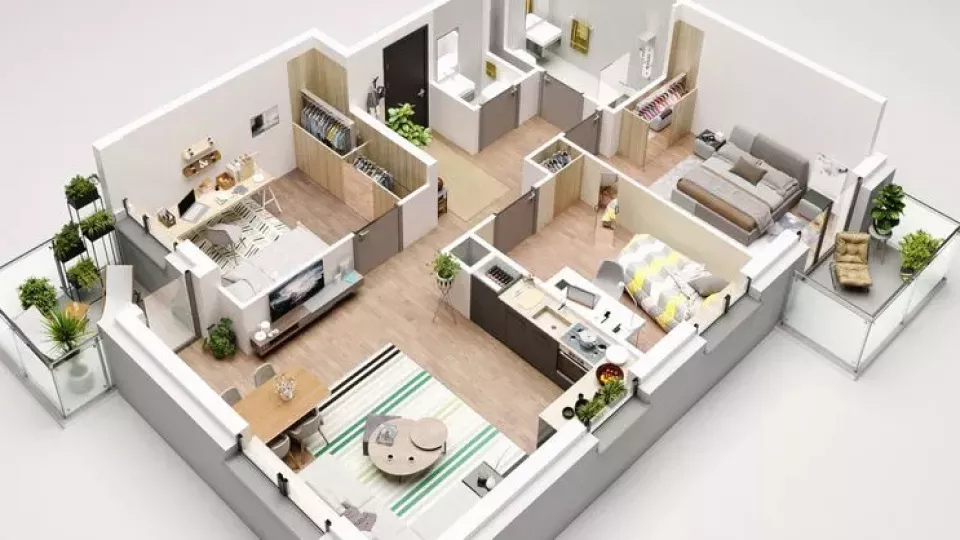
3D Floor Plan Rendering
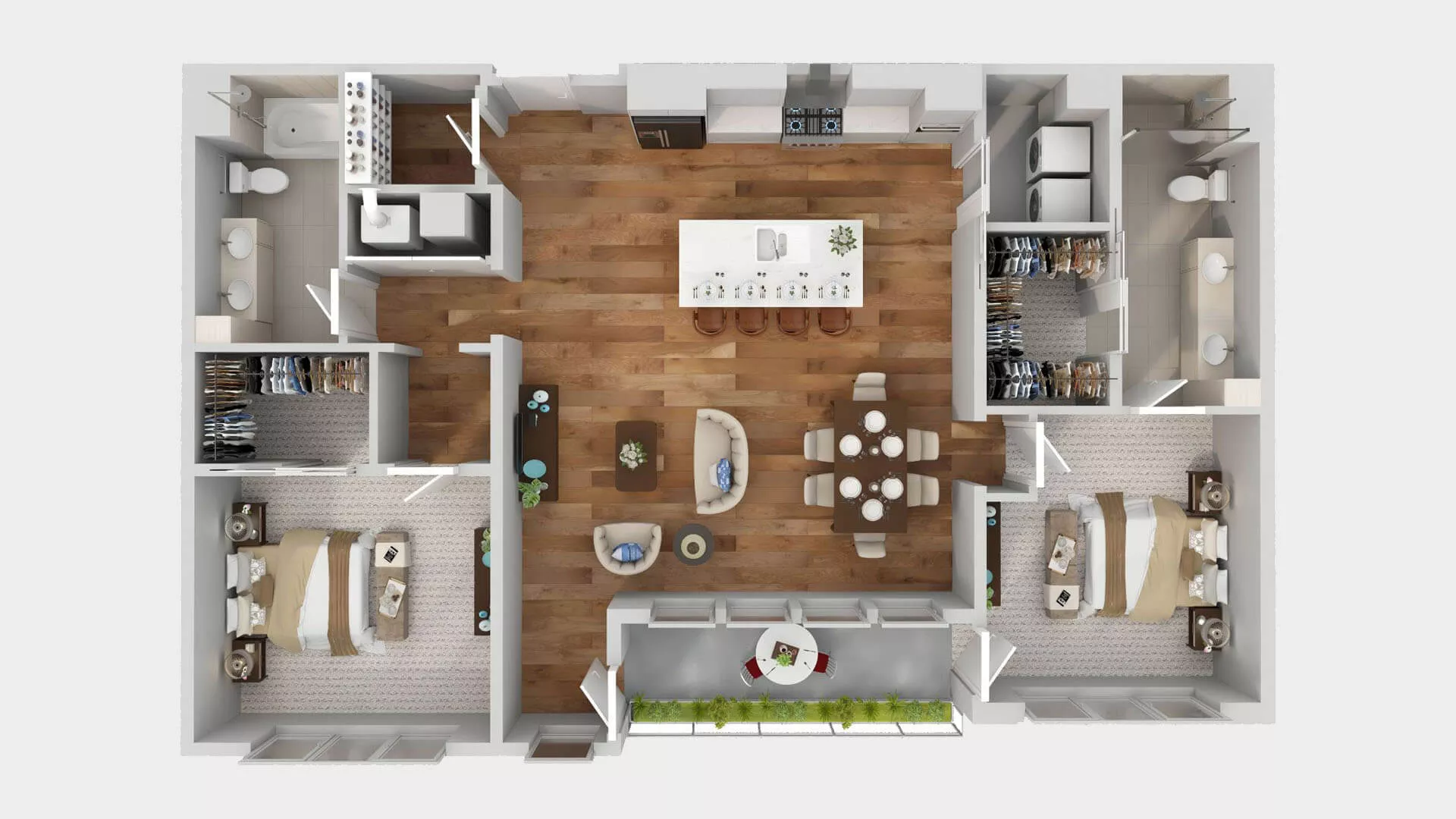
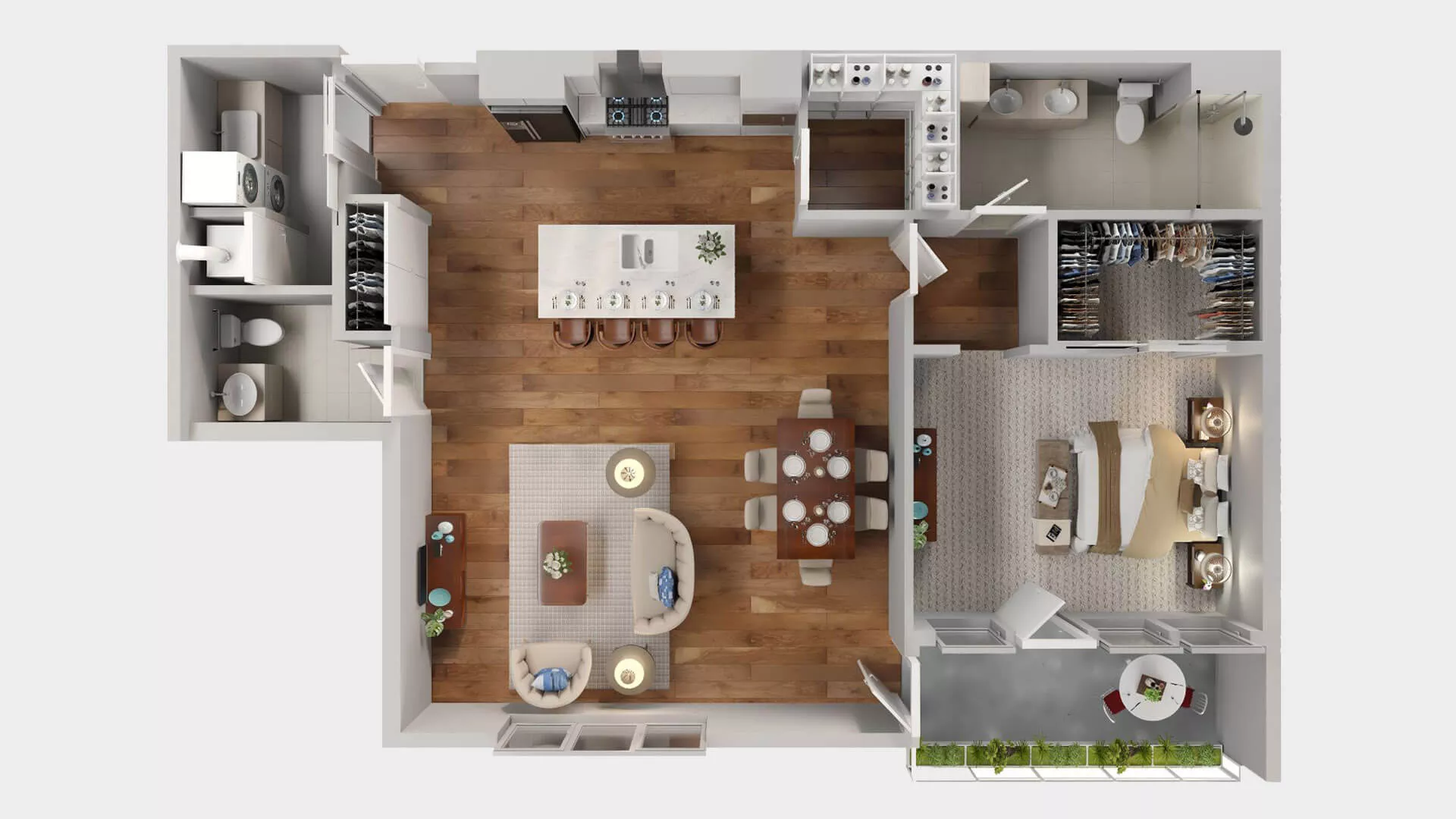
3D floor plan rendering takes a traditional top-down floor plan and transforms it into a richly illustrated, photorealistic overview showing furniture, materials, spatial flow, and natural light. RenderLand produces both stylized illustrated floor plans and fully photorealistic rendered site plans, both of which are used extensively in property listings, sales brochures, marketing websites, and email campaigns. A 3D floor plan communicates room proportions and layout in a way that a flat architectural drawing never can. Buyers understand the space immediately, and sales teams spend less time explaining it.
VR and AR Architectural Visualization
VR architectural visualization creates fully immersive headset-based walkthroughs that place viewers inside an unbuilt building at life scale. Using Unreal Engine 5 and compatible with Oculus Quest, HTC Vive Pro, and Apple Vision Pro, RenderLand's VR experiences are used by developers in sales showrooms, by architecture firms for design review sessions, and by real estate agents for remote buyer walkthroughs. AR architectural visualization overlays 3D building models onto real-world environments via smartphone or tablet, allowing clients to visualize a proposed development on its actual site. Both services are deliverable from the same project files used for standard renders, making the upgrade path straightforward.
Let's start a
conversation
Prefer to
talk directly?
Our experts are on hand to answer your questions and guide you to the right solution. No hold music, no bots.
Our 5-Step Architectural Visualization Workflow
Every RenderLand project follows a clear, structured process. You always know where your project stands, what comes next, and when to expect deliverables. Here is how it works.
Project Brief and Consultation
Every project begins with a discovery call or intake form. You share whatever files you have. CAD drawings, Revit models, SketchUp files, PDFs, or hand sketches and our team reviews them before we speak. During the consultation, we discuss style references, material intent, lighting mood, desired camera angles, and deliverable format. We confirm timeline and project scope before any work begins. You do not need a complete brief to get started. RenderLand guides you through the decision-making process, and many clients find that the brief gets sharper and more focused during this first conversation.
3D Modeling and Scene Construction
With approved drawings in hand, our team builds the 3D geometry. For exterior projects, we model the site context, terrain, and surrounding buildings to create an accurate neighborhood environment. For interiors, we construct the full room geometry and place furniture, fixtures, and human-scale figures. PBR materials, glass, concrete, timber, stone, metal, fabric are applied at this stage, sourced from professional material libraries including Quixel Megascans and Substance Painter. The result is a fully dressed 3D scene ready for lighting.
Lighting and Environment Setup
Lighting is where a render moves from accurate to exceptional. RenderLand simulates sun position based on the project's GPS location and the desired time of day, producing accurate shadow casting and seasonal variation. HDRI sky environments provide natural ambient illumination. For interior projects, daylight from glazing is calculated using global illumination, and artificial lighting rigs are built for twilight and night scenarios. Multiple lighting moods are available within a single project. A morning render, a golden-hour shot, and a dramatic night image from the same scene.
Rendering and Post-Production
High-resolution rendering is processed via our GPU render farm. We use a multi-pass compositing workflow, capturing beauty, shadow, reflection, and depth passes separately which gives our post-production team fine control over every element of the final image. Post-production in Photoshop and After Effects adds color grading, atmospheric haze, lens effects, and entourage: people, vehicles, trees, and surrounding activity that bring the scene to life. For animation projects, DaVinci Resolve handles final color grading and video output.
Client Review, Revisions, and Final Delivery
You receive initial proofs via a secure review portal or annotated PDF. Structured revision rounds are included in every project tier, we want your feedback and we build time for it into the schedule. Once approved, final assets are delivered in your preferred format: JPEG or PNG for stills, MP4 for animation, GLB or USDZ for 3D models, and platform-specific formats for VR and AR. Project archive and raw file handover are available on request. Revision rounds are clearly defined upfront so there are no surprises.
Technical Capabilities That Deliver Photorealistic Results
The technical approach behind a render determines whether the final image looks like a photograph or a 3D model. Here is how RenderLand's technical stack translates into better images for your project.
Physically-Based Rendering (PBR) and Ray Tracing
Physically-based rendering simulates how light actually behaves when it interacts with real-world materials. How glass reflects and refracts, how concrete absorbs and scatters light, how polished metal creates precise highlights. Combined with ray tracing, which calculates the exact path of every light ray in a scene, PBR produces renders where materials look exactly as they will in the finished building. The difference versus older rendering methods is immediately visible: shadows fall correctly, reflections are accurate, and materials feel tangible rather than digital.
Multi-Pass Compositing and Post-Production
Rather than rendering a single flat image, RenderLand captures multiple passes from each scene. Beauty, shadow, reflection, Z-depth, ambient occlusion. These passes are combined in post-production, giving our team the ability to adjust individual elements without re-rendering the entire scene. This means faster turnaround on client feedback, more precise control over the final look, and the ability to explore multiple color grades and lighting moods from a single rendering session.
Real-Time Rendering for Live Client Walkthroughs
Using Unreal Engine 5 with Lumen global illumination, RenderLand can produce real-time visualization environments for live client presentations. Rather than showing a fixed sequence of pre-rendered images, we can walk a client through their building in real time, navigating freely, switching between material options on the fly, and adjusting lighting conditions during the meeting. This is particularly valuable for design review sessions where clients want to explore alternatives rather than react to a finished proposal.
Daylight and Solar Studies
Accurate daylight simulation, based on GPS project coordinates and calendar date, allows RenderLand to model shadow casting, glare analysis, and seasonal light variation with precision. These studies are used for LEED documentation, planning submissions, and fenestration design decisions. A solar study render showing shadow conditions at the summer and winter solstice is a straightforward deliverable for RenderLand and one that can meaningfully strengthen a planning application or support a sustainability certification process.
High-Resolution and Print-Ready Output
RenderLand delivers renders at 4K, 8K, or custom DPI settings for print applications. Our output is compatible with hoarding graphics, billboard advertising, full-bleed brochures, and high-resolution web. Whether your asset needs to perform on a mobile screen or a 20-foot site hoarding, we deliver at the resolution the application demands. Print files are delivered with color profiles matched to the intended output medium.
How RenderLand's Visualization Services Benefit Your Team
The value of architectural visualization looks different depending on where you sit in the project. Here is what RenderLand specifically delivers for each of the professionals we work with.
For Architects and Architecture Firms
Architectural visualization helps your firm win work, communicate clearly, and protect your projects from misinterpretation. With RenderLand as your visualization partner, you can:
- Win more competitive pitches with studio-quality presentation renders and competition submission boards
- Communicate design intent clearly to non-technical clients and local planning authorities
- Identify spatial conflicts and material issues before construction begins
- Support planning submissions with context-accurate massing and street-level renders
- Build a stronger, more consistent portfolio with photorealistic project imagery
For Real Estate Developers
For developers, visualization is a revenue tool. The sooner you can market a project convincingly, the sooner you can pre-sell, the faster you reduce carry costs. RenderLand helps you:
- Launch pre-sale marketing campaigns before construction with compelling lifestyle renders
- Accelerate investor presentations with walkthrough animations that communicate scale and quality
- Increase off-plan conversion rates with virtual tours and 3D floor plans for listings
- Reduce overall marketing costs by using render assets across print, digital, and social media
- Support planning applications with context-accurate aerial and street-level renders
For Interior Designers and Property Marketers
Interior designers and property marketing teams need visuals that sell a feeling. RenderLand helps you create that feeling, on screen and in print, before the space exists. With our services, you can:
- Present design schemes to clients with photorealistic room-by-room renders that remove all ambiguity
- Create hero imagery for property listings, brochures, and social media campaigns
- Test material combinations and furniture layouts before committing to procurement
- Deliver 360-degree room tours for remote buyer and investor presentations
- Produce marketing-ready content without requiring a finished space
Industries RenderLand Serves Across the United States
RenderLand works with clients across a wide range of industries and building types. The visualization needs of a luxury residential developer are different from those of a healthcare planner or a municipal authority — and we understand the specific requirements of each.
Residential Real Estate Development
Luxury and mid-market housing developers rely on lifestyle renders, pre-sale marketing imagery, and virtual tours to drive off-plan sales. RenderLand produces exterior hero shots, interior suite renders, and amenity space visuals that create genuine buyer confidence.
Commercial Real Estate
Office tower renders, mixed-use development visualization, and tenant attraction marketing materials help commercial developers communicate scale, quality, and brand to prospective tenants and institutional investors.
Hospitality and Hotel Design
Hotels and resort developers need room renders, aerial site views, and amenity space visualization for brand presentations, franchise approvals, and pre-opening marketing. Hospitality rendering requires attention to material quality and lighting atmosphere that RenderLand delivers consistently.
Healthcare Facility Planning
Healthcare projects require patient environment visualization for public consultation, clinical space planning renders for functional review, and concept imagery for fundraising and capital campaign materials. These renders balance technical accuracy with a warm, reassuring aesthetic.
Retail and Mixed-Use Development
Retail developers use storefront renders, public realm visualization, and signage studies to attract anchor tenants, gain planning approval, and build leasing momentum before construction completes.
Urban and Municipal Planning
Master plan visualization, public consultation renders, and infrastructure context studies help municipal authorities and urban planners communicate proposed changes to communities in a format that is immediately accessible and easy to evaluate.
Institutional Architecture
Schools, universities, and civic buildings rely on photorealistic renders for planning applications, fundraising campaigns, and donor communications. RenderLand produces imagery that captures the civic ambition of institutional architecture.
Landscape Architecture
Planting plan visualization, public park renders, and waterfront development imagery give landscape architects and clients a clear picture of mature outdoor environments including seasonal variation and evening lighting conditions.
Senior Living and Assisted Care
Senior living operators use community space renders and amenity visuals in marketing materials directed at prospective residents and family decision-makers. These renders require warmth, approachability, and a focus on livability.
Modular and Prefab Housing
Modular and prefab housing manufacturers use product visualization and configuration renders to market to both trade buyers and end consumers. RenderLand produces clean, accurate renders that communicate the quality of prefabricated construction without industrial coldness.
Don't see your sector? RenderLand works across all building types and project scales. Tell us what you need.
Discuss Your Project →Common Problems RenderLand Helps You Solve
The clients who come to RenderLand are usually dealing with a specific frustration. A pitch that is not landing, a planning application that is stalling, or a sales campaign that is underperforming. Here is how we address the most common challenges.
"My clients can't picture the finished building from drawings alone"
RenderLand's studio-quality renders eliminate the gap between drawing and reality. Your clients see exactly what you are proposing. Room by room, angle by angle, before a single decision is locked in. Ambiguity disappears. Feedback becomes specific. Approvals come faster.
"My investor presentations aren't landing"
Spreadsheets and floor plans tell investors what a project is. Walkthrough animations and aerial renders show them what it will be. RenderLand transforms data-heavy pitch decks into emotionally compelling experiences. Investors fund projects they can see — and our visualizations give them exactly that.
"Our planning applications keep getting delayed or rejected"
Planning boards that feel uncertain delay applications. Context-accurate renders showing massing, materials, and neighborhood integration give US planning authorities the visual evidence they need to understand a proposal and approve it with confidence. RenderLand produces all the standard visualization deliverables required for US planning submissions.
"We're struggling to sell off-plan units"
High-quality lifestyle renders and virtual tours let buyers emotionally commit to unbuilt homes. When a buyer can walk through a kitchen, check the view from the master bedroom window, and zoom into the floor plan of the living room — all before the foundation is poured — the decision to purchase becomes much easier to make.
"Design mistakes are costing us money during construction"
Visualization is the cheapest place to find a problem. Spatial conflicts, material mismatches, and scale errors caught during the rendering stage cost a fraction of what they cost to fix on site. RenderLand treats visualization as a quality-control step, not just a presentation tool.
"We're losing pitches to competitors with better presentation materials"
The quality of your presentation visuals signals the quality of your design thinking. RenderLand helps architecture firms and design studios present at the highest level with renders that reflect the care and precision of your actual work. Strong presentation materials win pitches that strong designs alone sometimes lose.
Why Clients Across the United States Choose RenderLand
There are many 3D rendering studios operating in the US market. Here is what sets RenderLand apart from the alternatives.
End-to-End Visualization Under One Roof
From concept sketch to photorealistic still, animation, virtual tour, VR environment, and AR model. RenderLand delivers everything from a single team. No outsourcing to offshore studios, no fragmented workflow across multiple vendors, and no inconsistency in quality between your still renders and your animation. One brief, one relationship, one standard of work.
Deep Expertise Across Software and Rendering Engines
V-Ray, Corona Renderer, Unreal Engine 5, Lumion, Enscape, and Twinmotion, RenderLand's team works across the full range of industry-standard rendering tools. We choose the right engine for each project type: Corona for residential interiors requiring soft, natural light; Unreal Engine 5 for real-time walkthroughs and cinematic animation; V-Ray for high-detail commercial exterior and interior stills. The software serves the project, not the other way around.
Built for the US Market
Understanding US building codes, planning culture, regional architectural styles, and real estate marketing conventions matters in architectural visualization. RenderLand's output is calibrated to the expectations of US architects, developers, and planning authorities. Our team operates in US time zones, communicates in clear business English, and delivers in US-standard file formats.
Transparent Process and Revision Policy
Clear brief intake, milestone proofs at defined project stages, structured revision rounds, no surprises. You always know what has been completed, what is in progress, and when the next delivery is due. Our revision policy is documented in your project agreement before work begins. Client input is not just welcomed; it is built into the process.
Fast Turnaround Without Compromising Quality
Our GPU render farm and proven project pipeline allow RenderLand to deliver on deadline without cutting corners on quality. Typical turnaround for a single photorealistic exterior render is 5 to 7 business days from approved drawings. Animation and VR projects are scoped individually. Rush delivery is available for time-critical projects.
Let's start a
conversation
Prefer to
talk directly?
Our experts are on hand to answer your questions and guide you to the right solution. No hold music, no bots.
How Architectural Visualization Improves Planning Approvals and Property Marketing
Two of the most commercially important applications for architectural visualization services are planning and regulatory submissions and pre-sale property marketing. These are different audiences with different goals, but both require the same underlying quality of work.
Visualization for Planning and Regulatory Submissions
US local planning boards, zoning authorities, and HOAs require clear visual evidence of how a proposed building will look, how it relates to its surroundings, and what materials it will use. Vague drawings and physical models rarely provide this evidence at the level of detail modern planning processes demand. RenderLand produces the full range of visualization deliverables required for US planning submissions:
- Aerial context renders showing site layout and neighborhood relationship
- Street-level perspective renders showing pedestrian-scale experience
- Material elevation renders showing facade composition and finish quality
- Shadow studies calibrated to GPS location and seasonal sun angles
- Massing models showing scale and form in context
These deliverables are calibrated to the level of detail and technical accuracy that US planning authorities expect, and they are produced to a resolution and quality that supports confident decision-making.
Visualization for Pre-Sale and Off-Plan Property Marketing
Marketing unbuilt properties requires prospective buyers to commit based on trust. The visualization assets you put in front of those buyers determine the strength of that trust. RenderLand produces a complete suite of marketing-ready pre-sale visualization assets:
- Lifestyle exterior hero shots for hoardings, brochures, and digital advertising
- Room-by-room interior renders for listings and print marketing
- 3D floor plans formatted for property listing platforms and sales brochures
- Virtual tours for showroom kiosks and web-based buyer portals
- Animated walkthrough videos for social media and digital advertising
All assets are delivered ready for use across print, digital, and social media, with file formats optimized for each channel.
Rendering Software and Technology Stack
RenderLand's technical capability is built on the same tools used by the world's leading architectural visualization studios. Here is a breakdown of the software we use and why each tool is in our stack.
3D Modeling and BIM Integration
We accept project files in all standard architectural formats. Autodesk Revit and AutoCAD handle industry-standard BIM intake. SketchUp Pro, Rhino 3D, and ArchiCAD cover the formats most commonly used by architects for early-stage design. 3ds Max and Blender are used for advanced scene construction, geometry optimization, and custom model building where needed. If your files are in a format not listed here, ask us. We have yet to encounter a drawing format we cannot work with.
Rendering Engines
V-Ray (Chaos Group) is our primary engine for photorealistic still rendering. It is the industry benchmark for a reason, and it excels on exterior and interior commercial projects. Corona Renderer is used for residential and hospitality interiors where soft, natural light is the priority. Unreal Engine 5 with Lumen provides our real-time and cinematic animation capability. Lumion, Twinmotion, and Enscape are used for rapid turnaround projects and BIM-connected workflows. Octane Render and Redshift provide GPU-accelerated performance for complex, high-detail scenes.
Post-Production and Compositing
Adobe Photoshop is used for still image compositing, entourage placement, and color grading. After Effects handles motion graphics and animated title cards for video deliverables. DaVinci Resolve manages final color grading and video export for all animation projects. Material libraries including Quixel Megascans and Substance Painter provide photorealistic surface textures for every material type.
VR, AR, and Interactive Platforms
Unreal Engine VR Export and Unity 3D produce headset-ready immersive experiences for Oculus/Meta Quest, HTC Vive Pro, and Apple Vision Pro. For browser-based virtual tours, we use Matterport, Kuula, and Shapespark depending on the functional requirements of each project. All interactive platforms are compatible with standard web embedding, so tours and interactive models can live inside your existing website or landing page without any custom development.
How Architectural Visualization Improves Planning Approvals and Property Marketing
Two of the most commercially important applications for architectural visualization services are planning and regulatory submissions and pre-sale property marketing. These are different audiences with different goals, but both require the same underlying quality of work.
Visualization for Planning and Regulatory Submissions
US local planning boards, zoning authorities, and HOAs require clear visual evidence of how a proposed building will look, how it relates to its surroundings, and what materials it will use. Vague drawings and physical models rarely provide this evidence at the level of detail modern planning processes demand. RenderLand produces the full range of visualization deliverables required for US planning submissions:
- Aerial context renders showing site layout and neighborhood relationship
- Street-level perspective renders showing pedestrian-scale experience
- Material elevation renders showing facade composition and finish quality
- Shadow studies calibrated to GPS location and seasonal sun angles
- Massing models showing scale and form in context
These deliverables are calibrated to the level of detail and technical accuracy that US planning authorities expect, and they are produced to a resolution and quality that supports confident decision-making.
Visualization for Pre-Sale and Off-Plan Property Marketing
Marketing unbuilt properties requires prospective buyers to commit based on trust. The visualization assets you put in front of those buyers determine the strength of that trust. RenderLand produces a complete suite of marketing-ready pre-sale visualization assets:
- Lifestyle exterior hero shots for hoardings, brochures, and digital advertising
- Room-by-room interior renders for listings and print marketing
- 3D floor plans formatted for property listing platforms and sales brochures
- Virtual tours for showroom kiosks and web-based buyer portals
- Animated walkthrough videos for social media and digital advertising
All assets are delivered ready for use across print, digital, and social media, with file formats optimized for each channel.
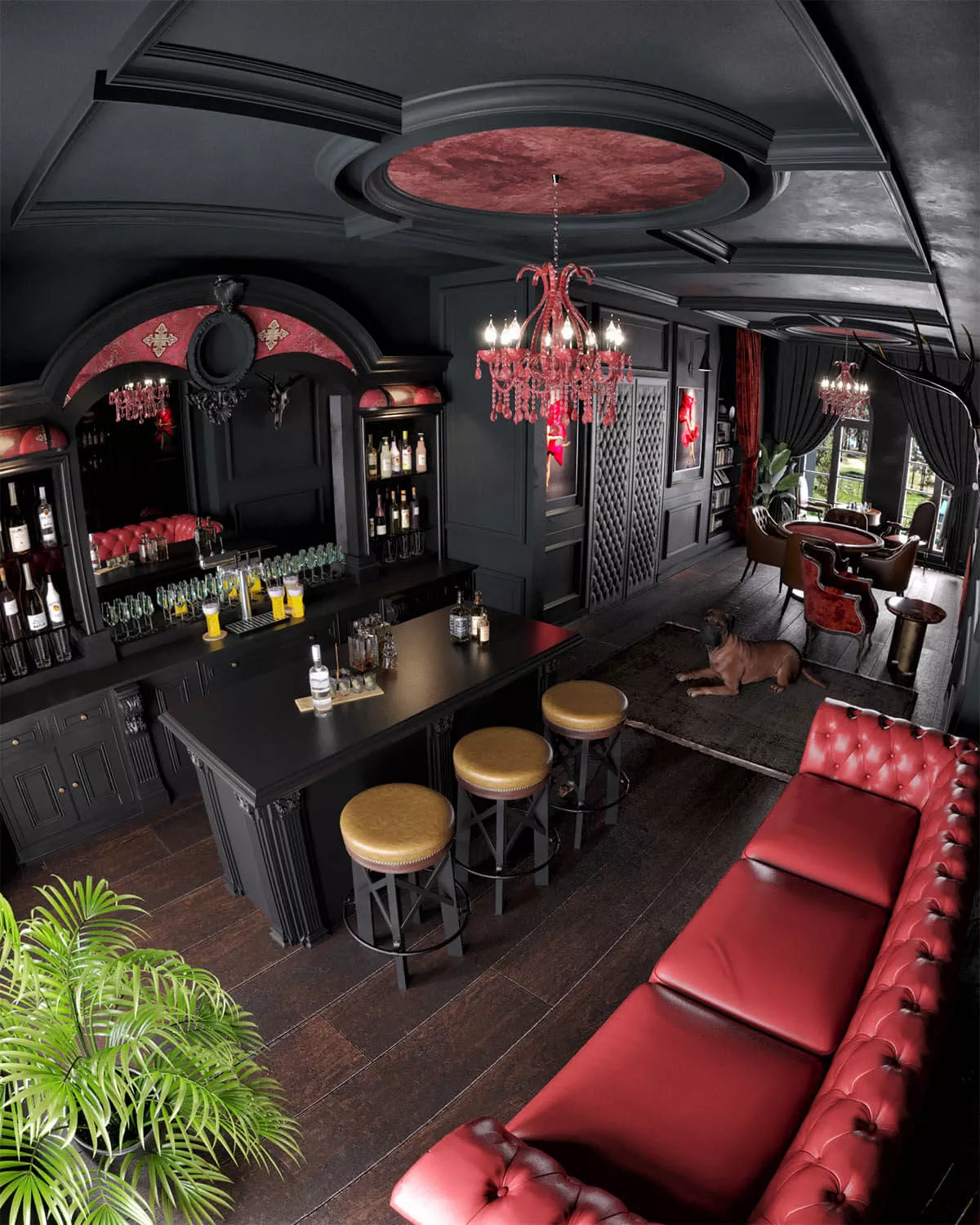
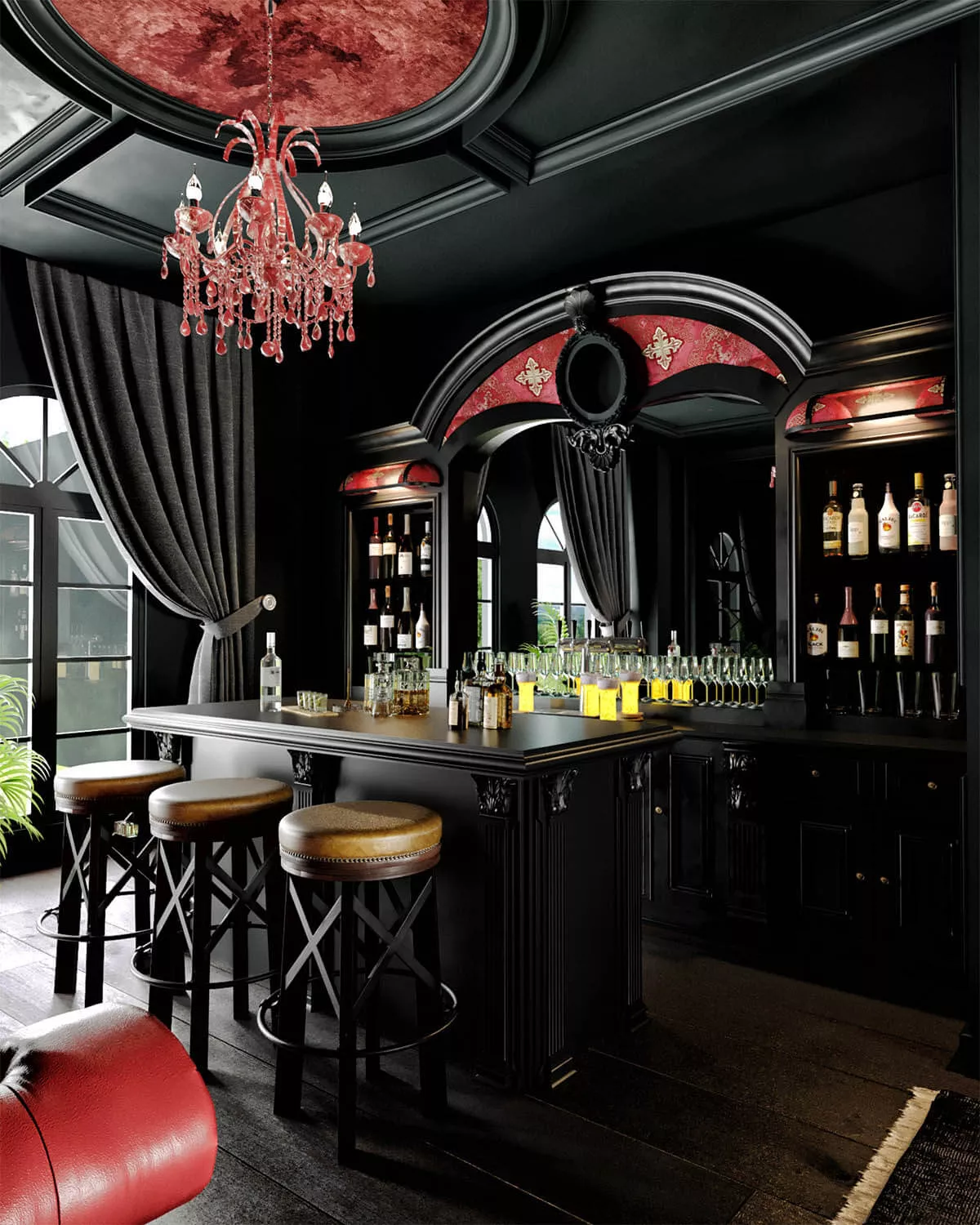
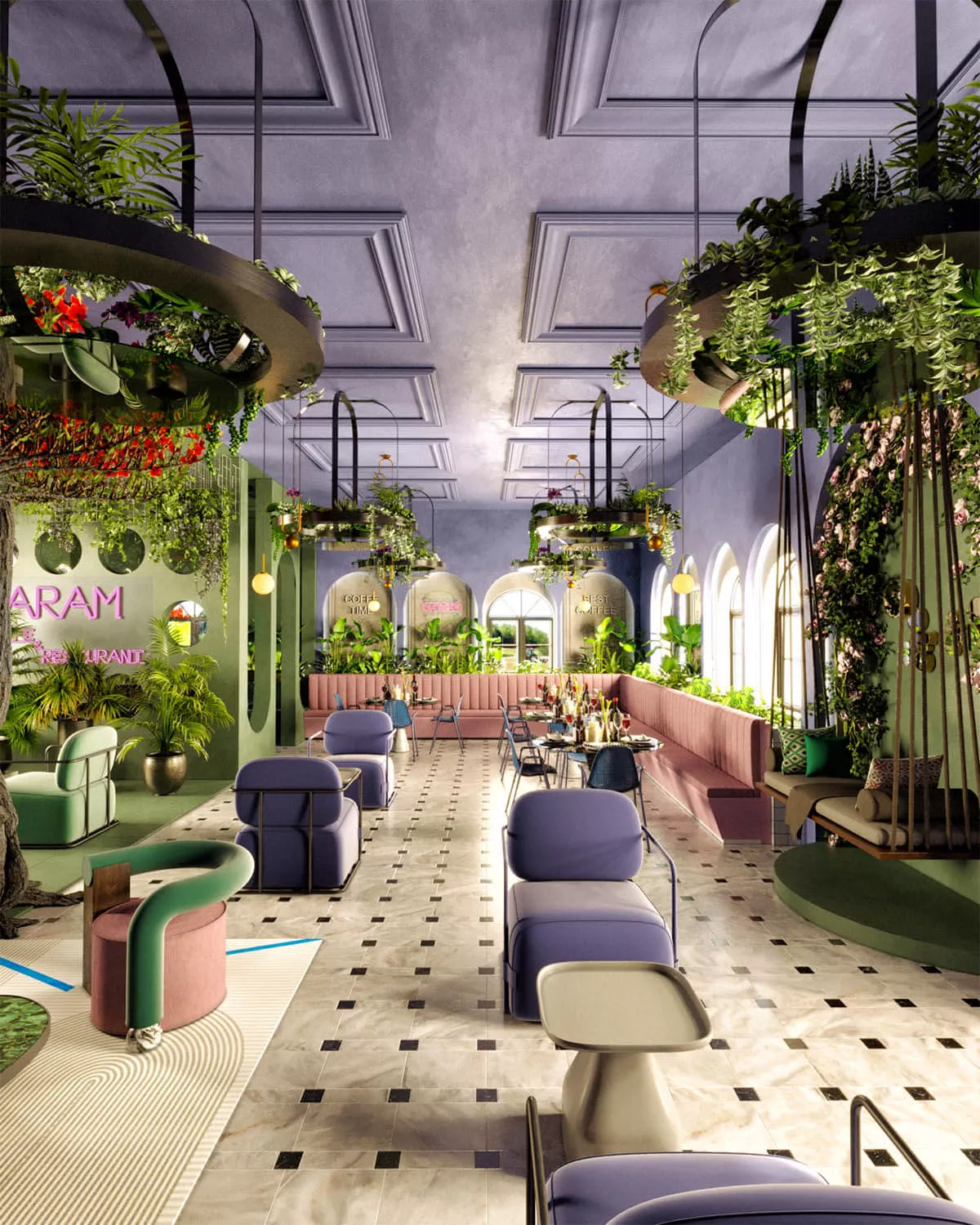
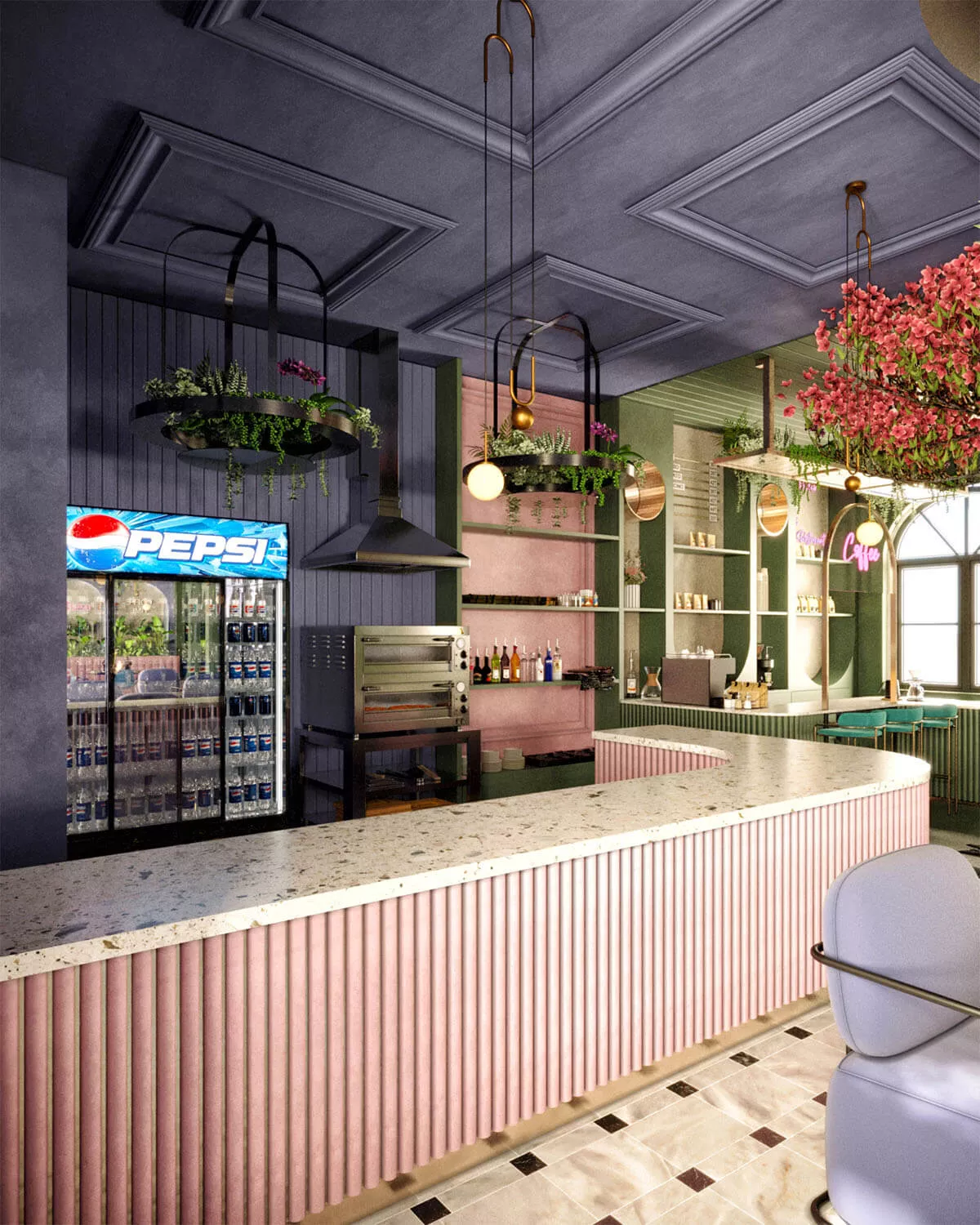
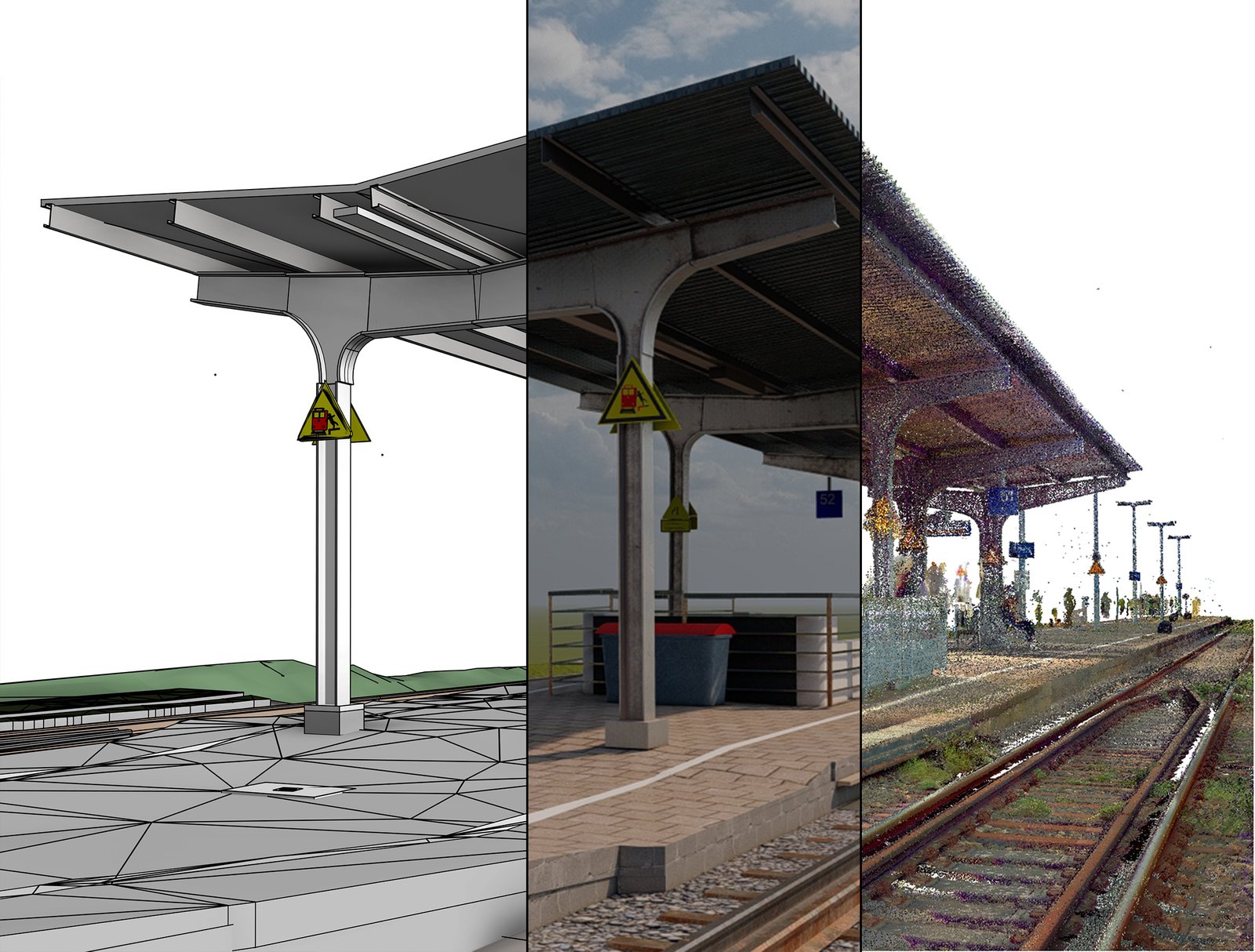
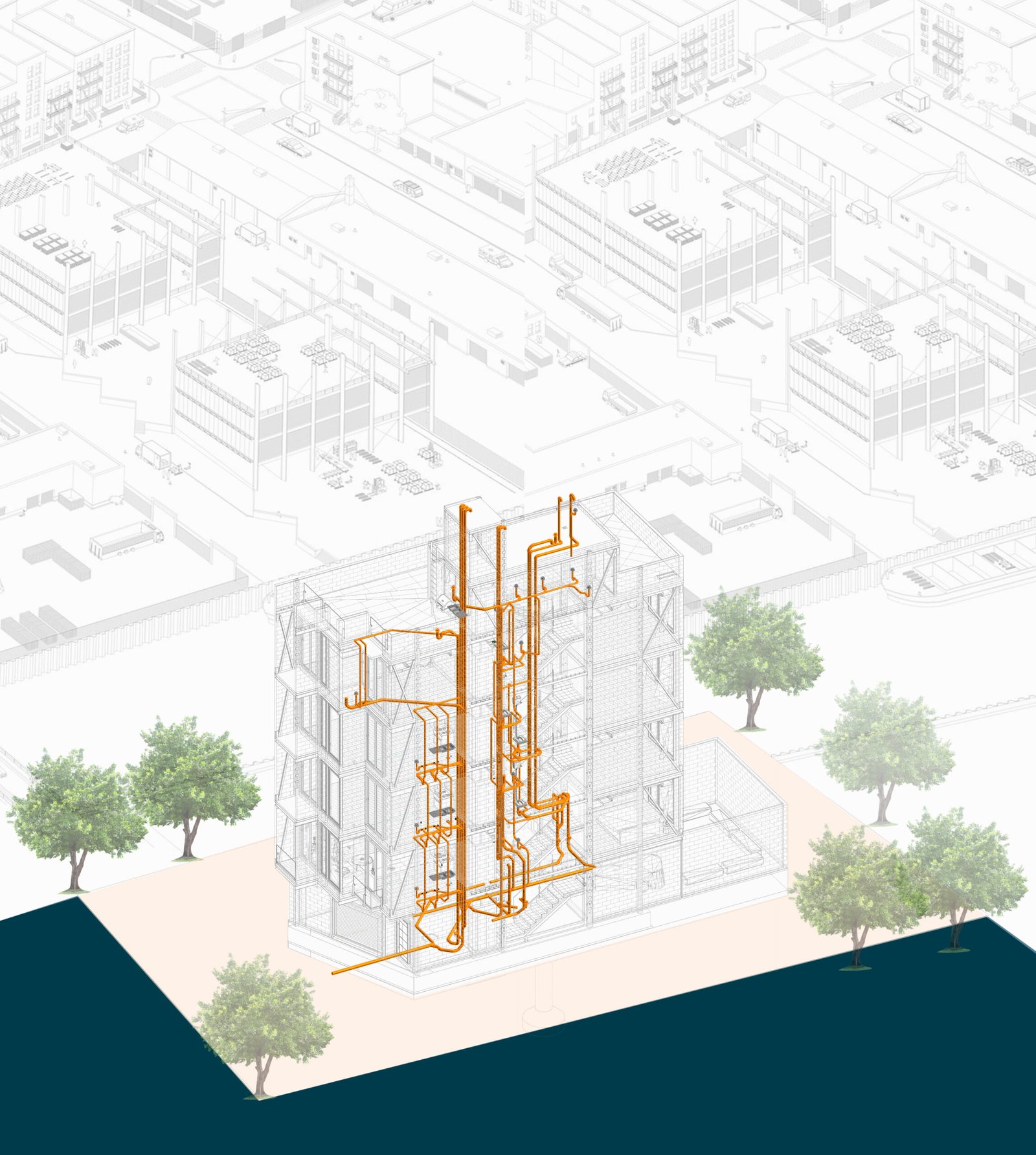
Project Gallery
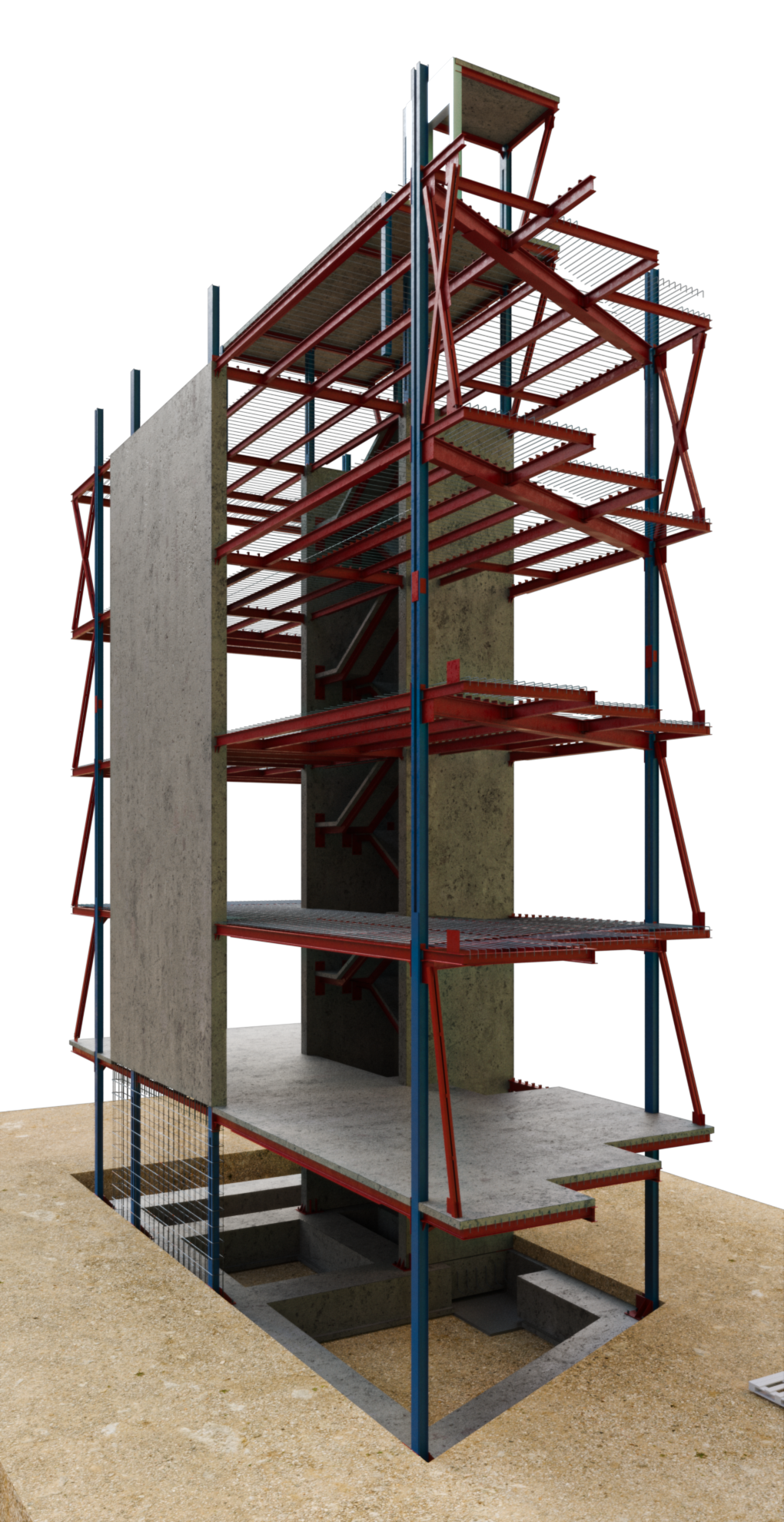
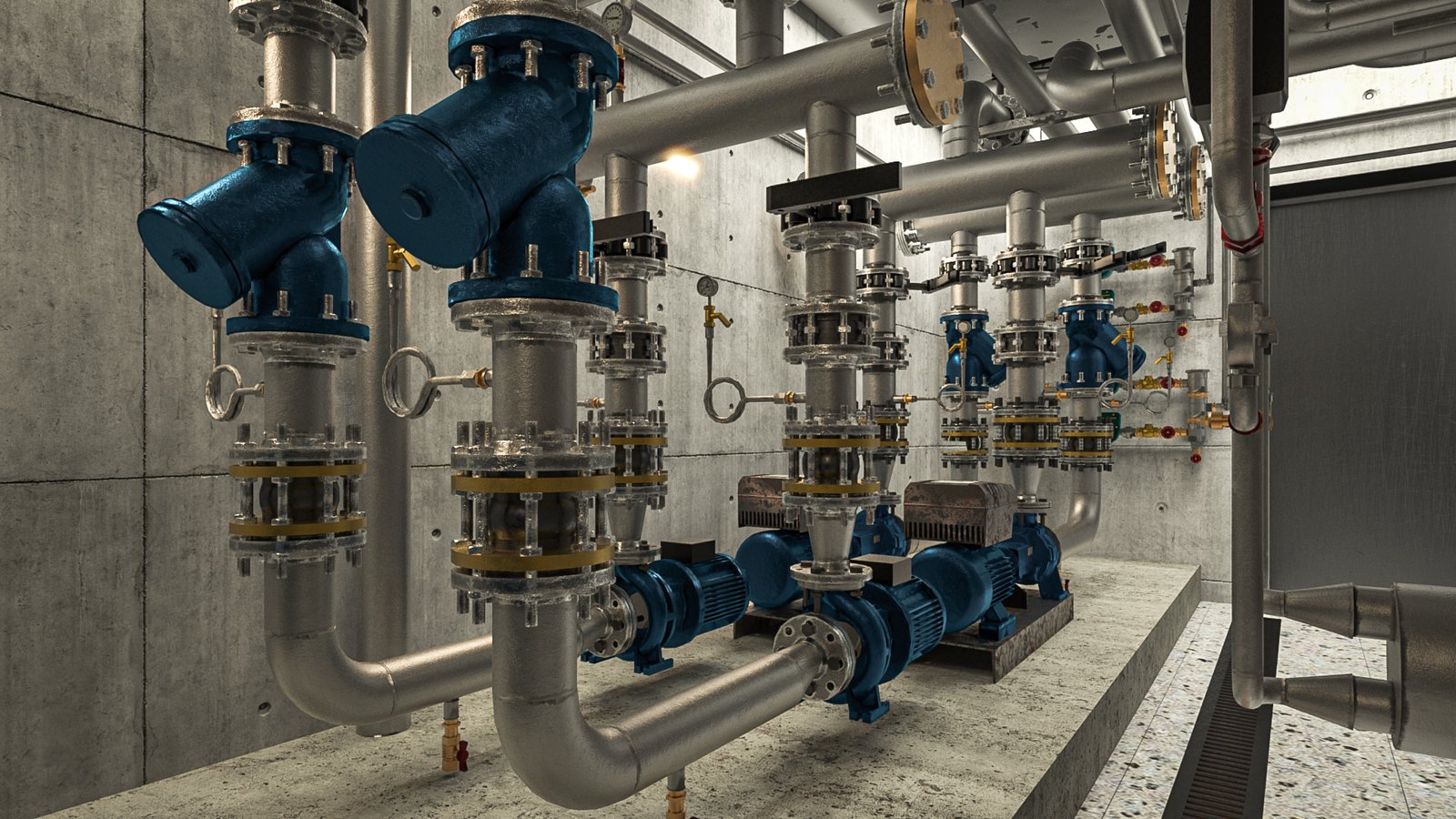
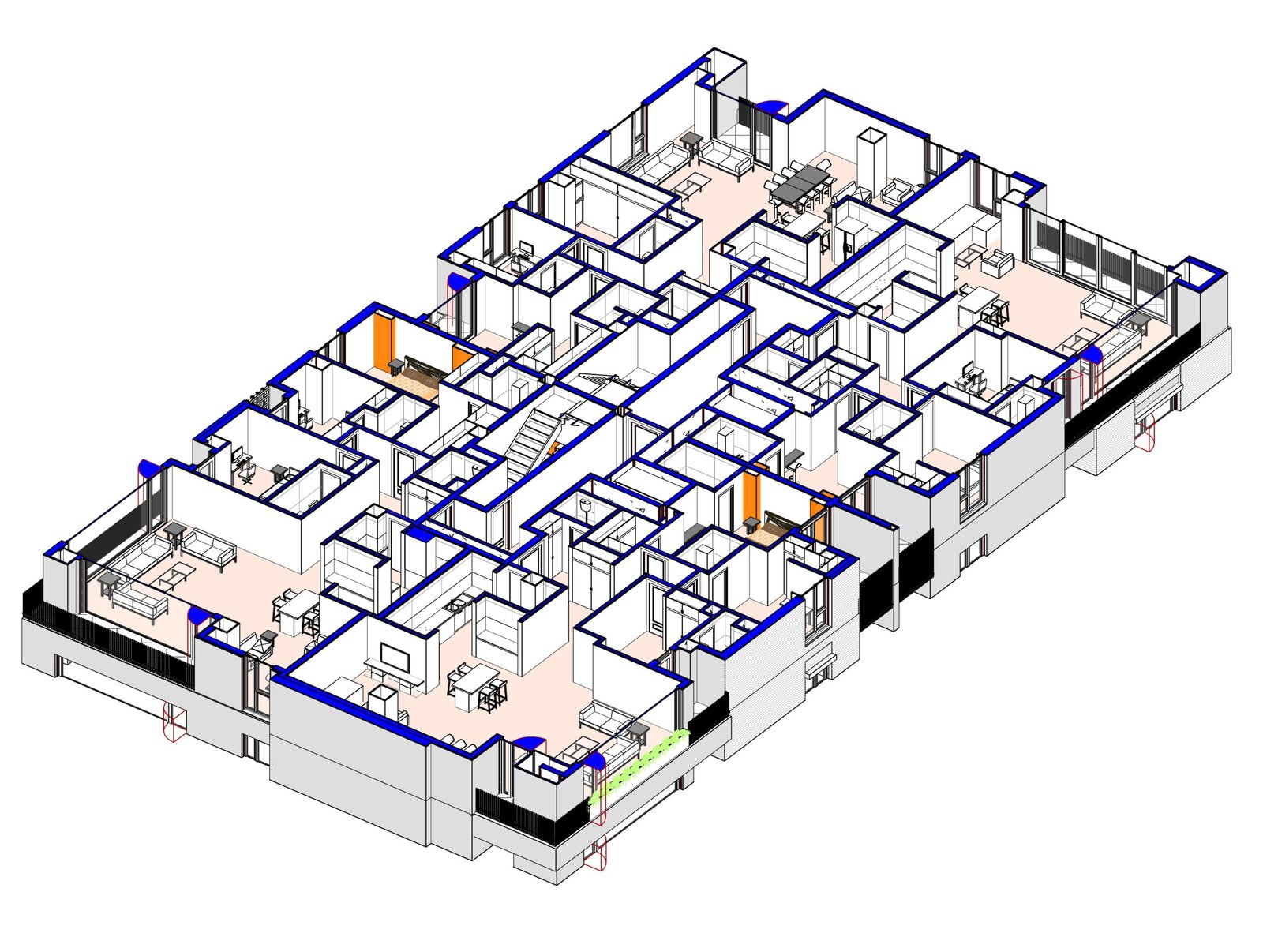
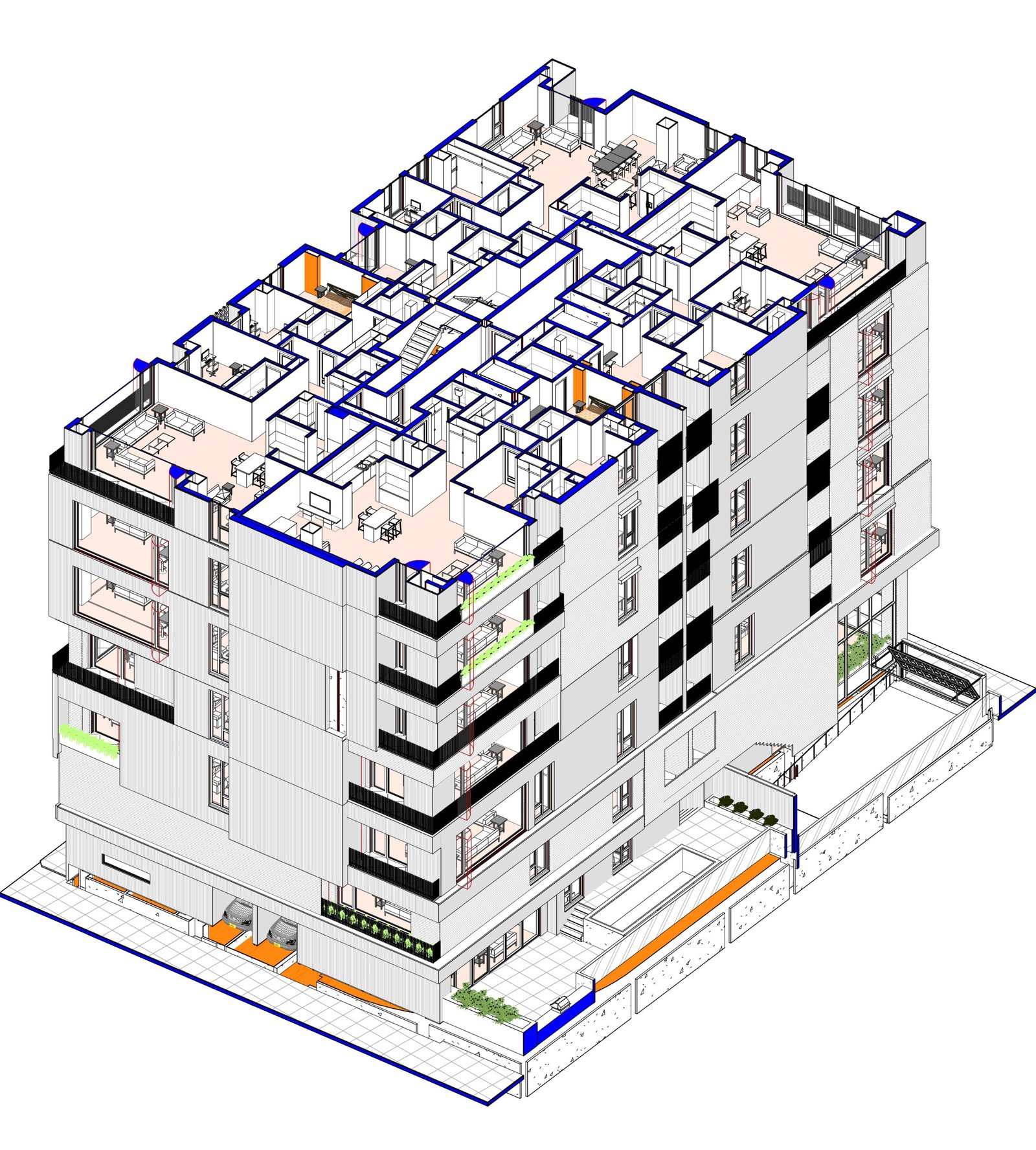
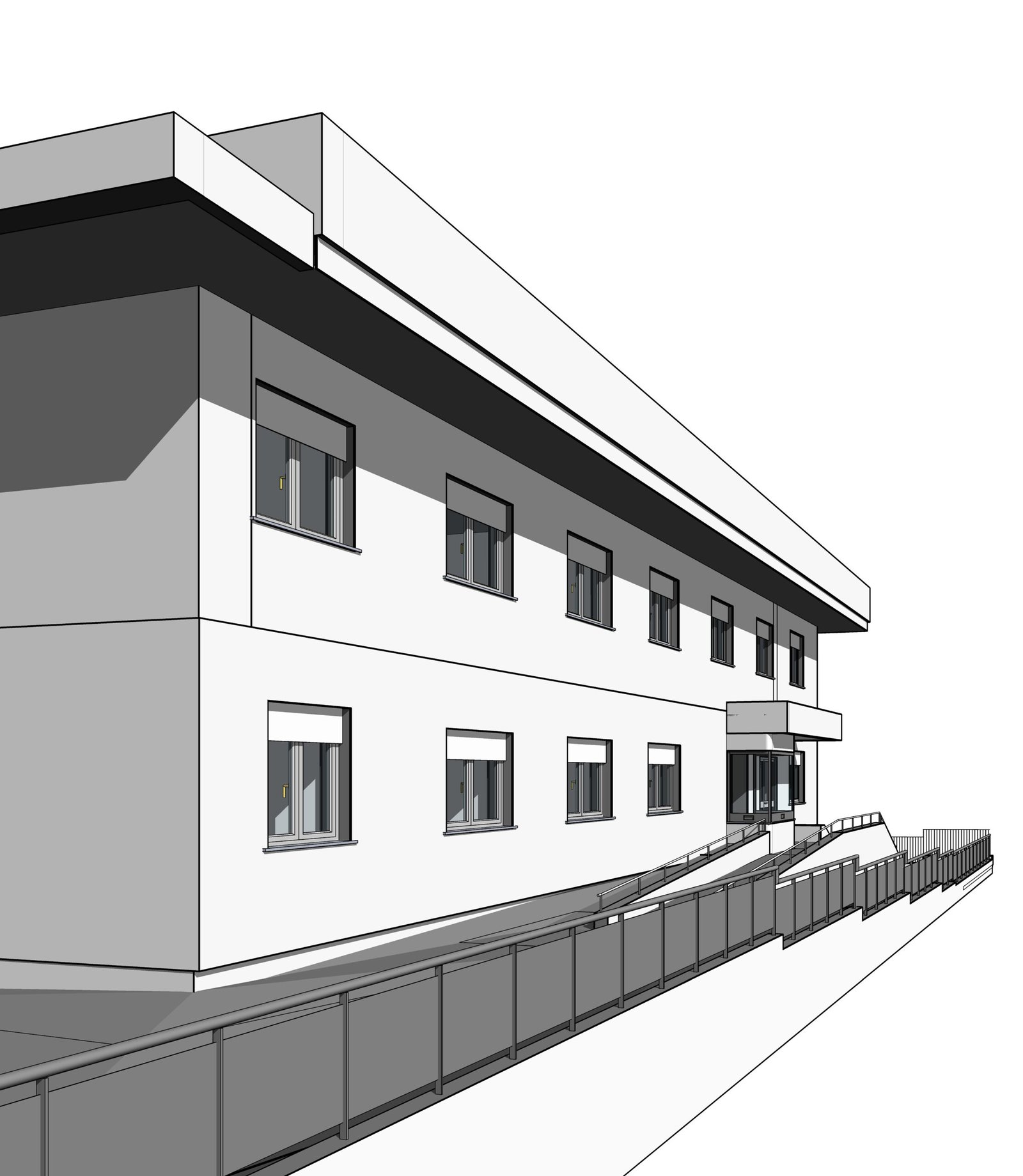
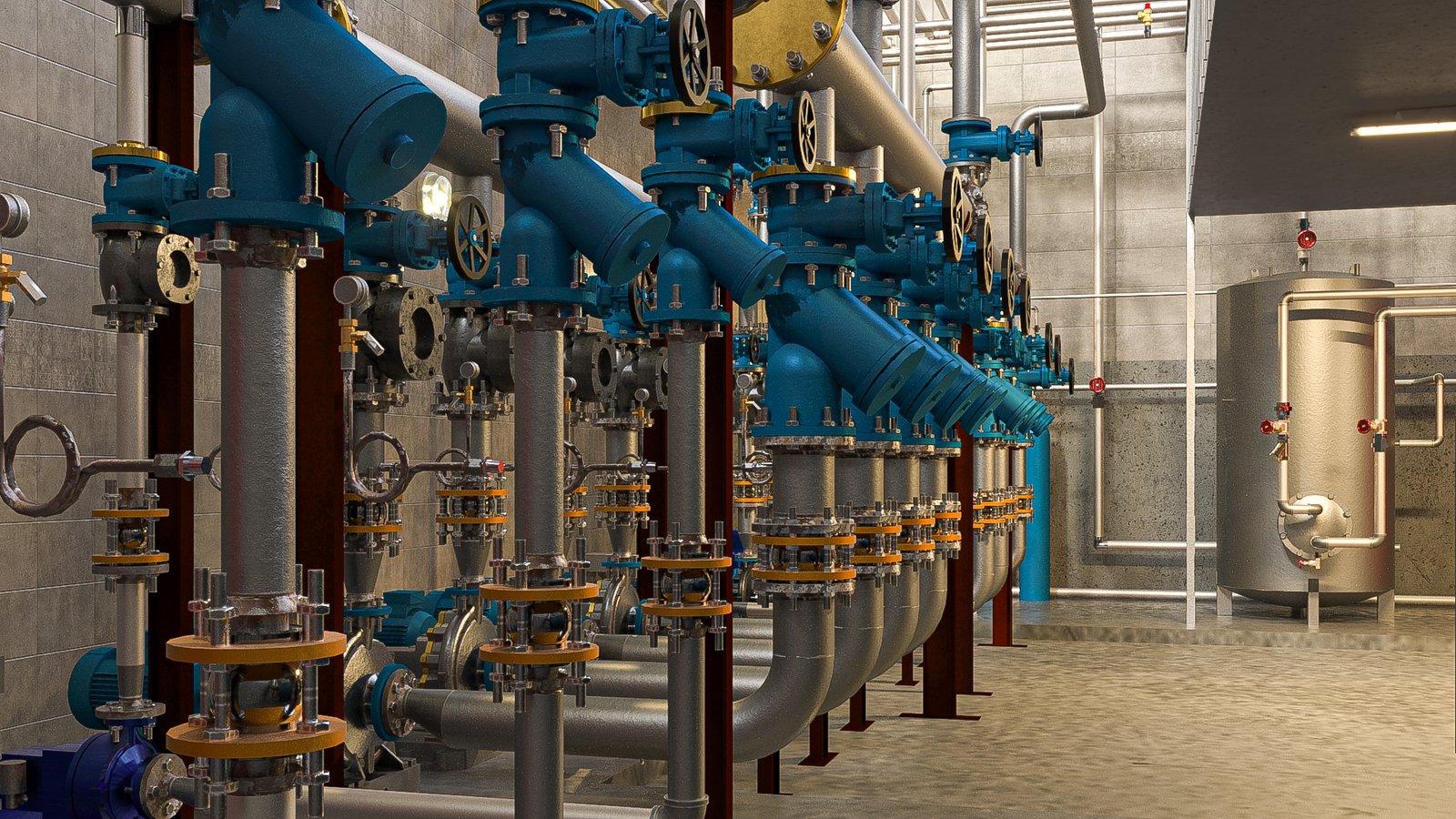
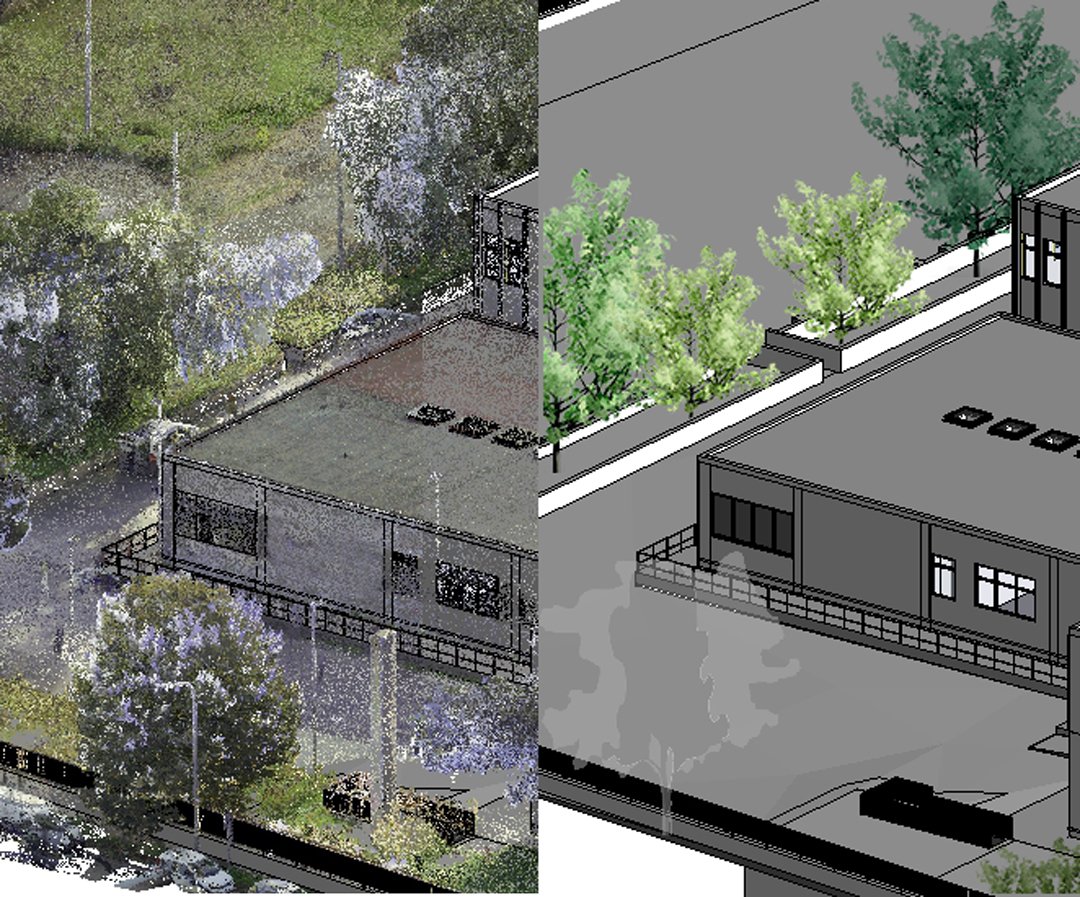
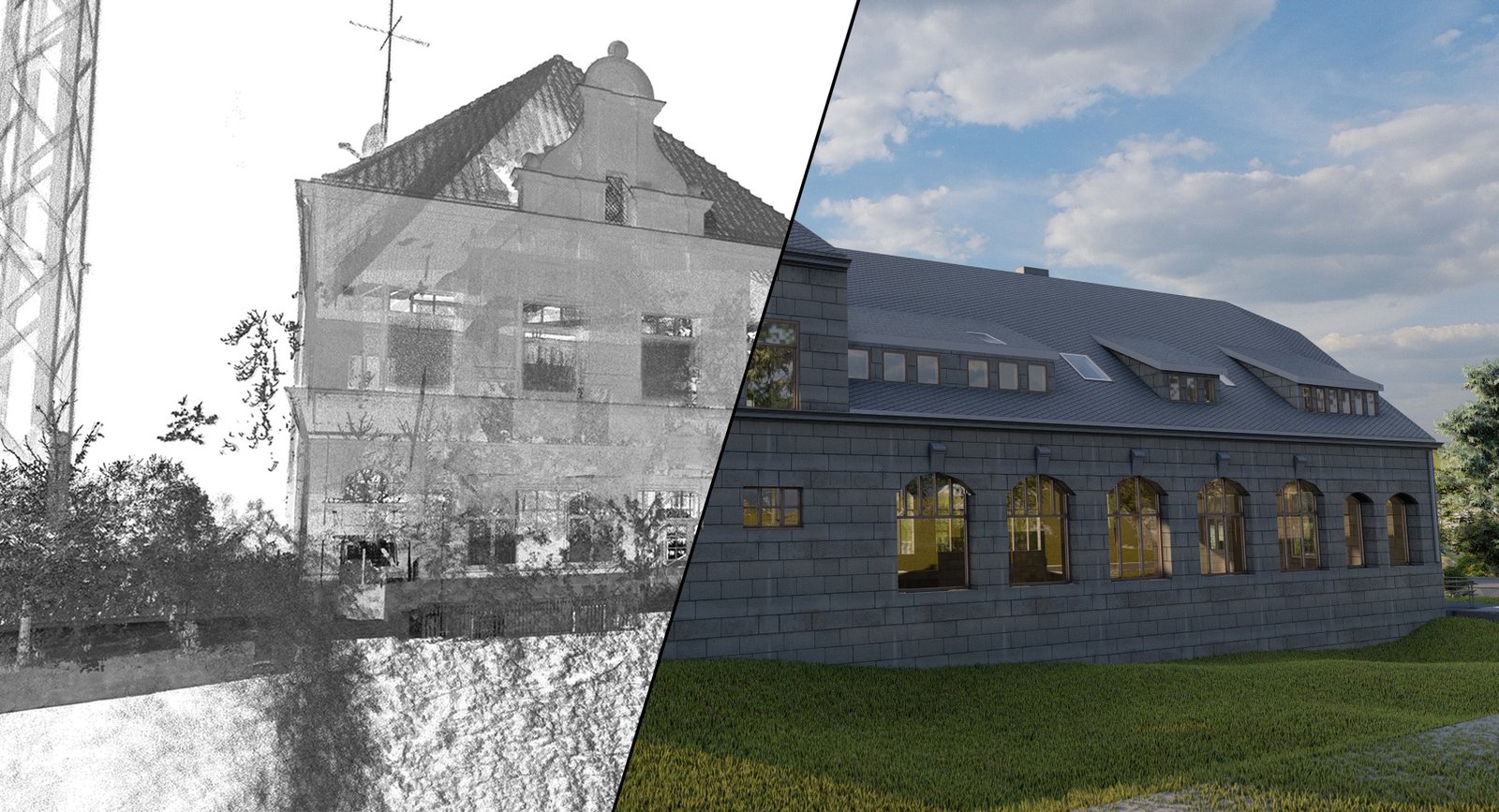
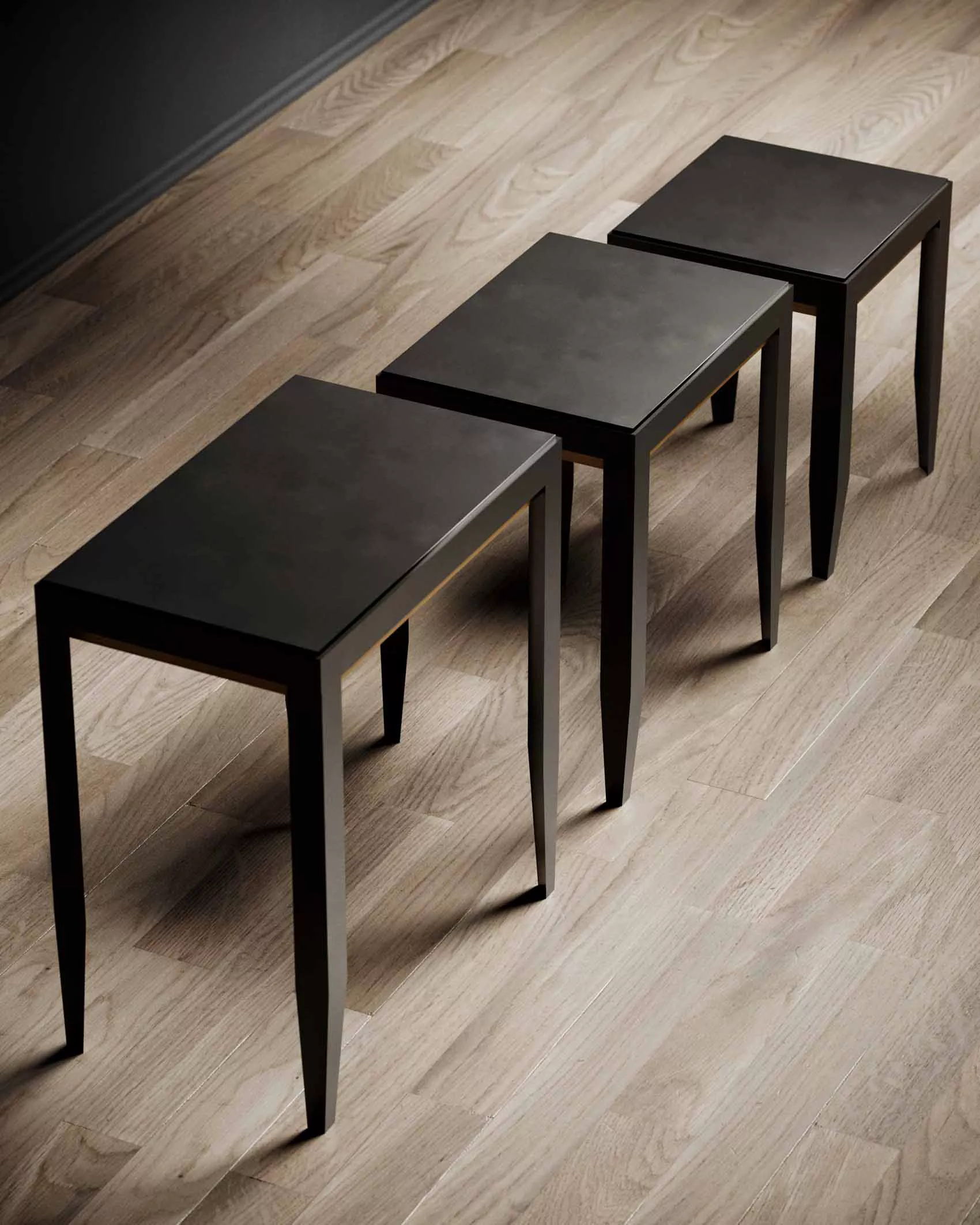

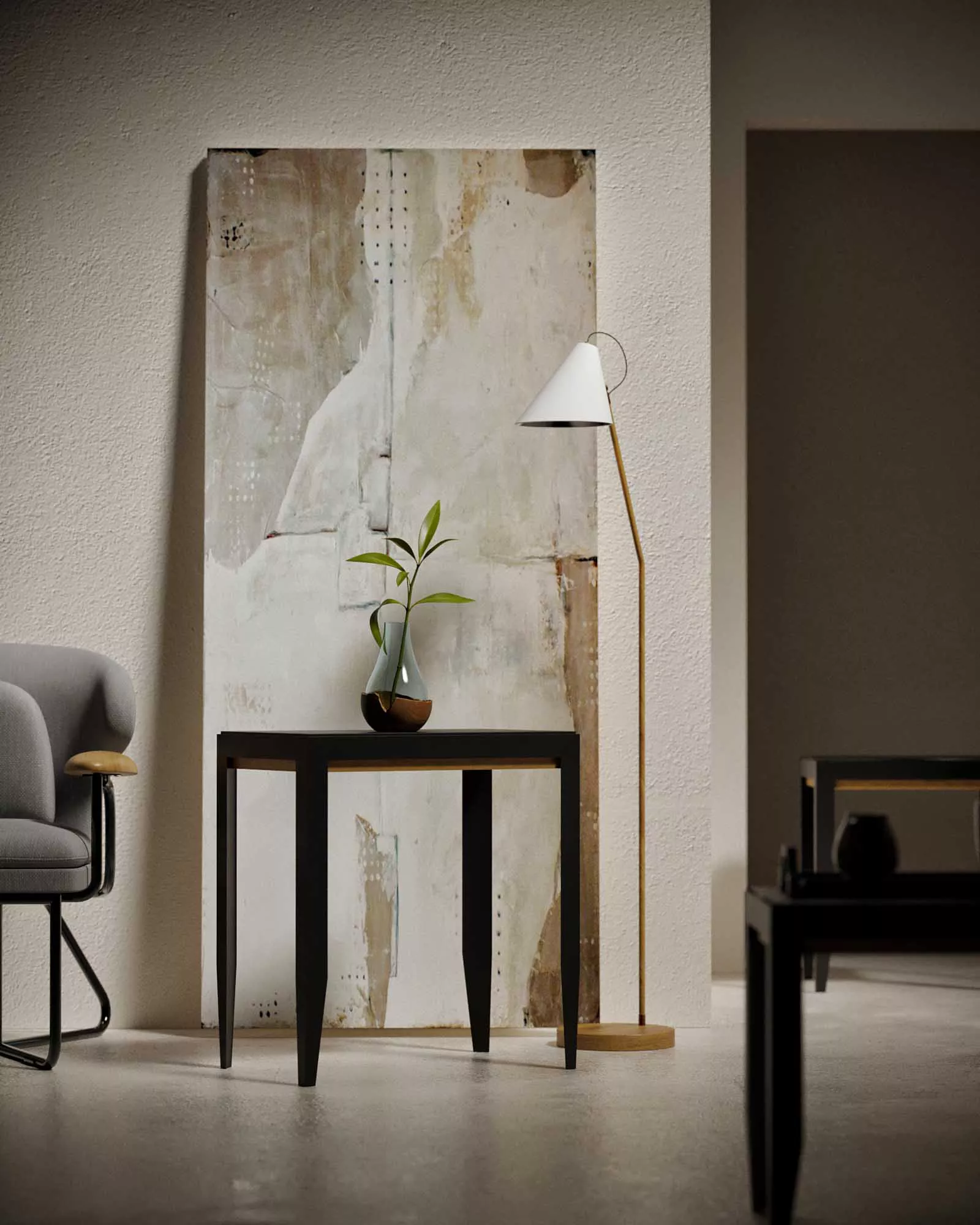


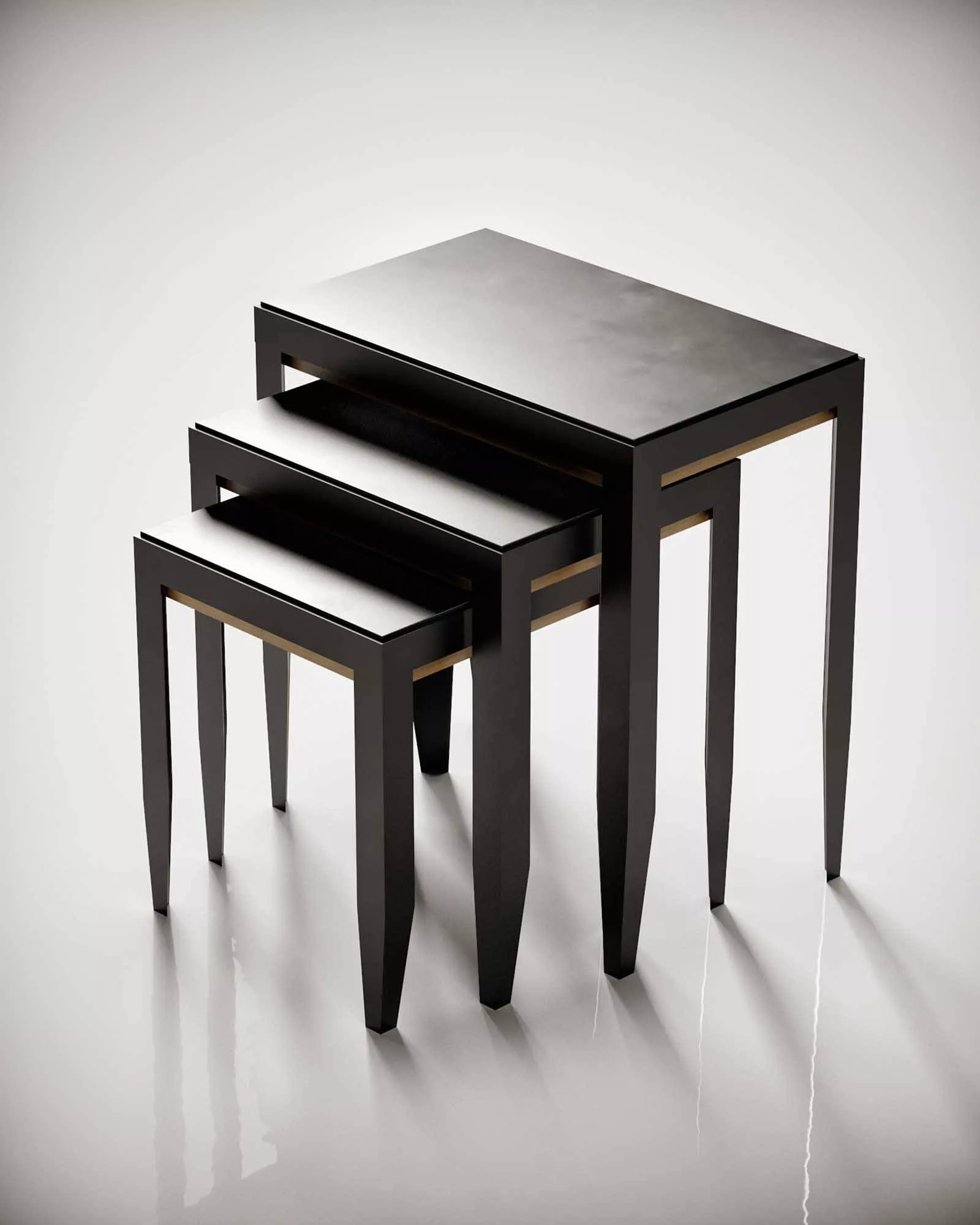


Frequently Asked Questions About Architectural Visualization
Pricing depends on several factors: the type of deliverable (stills, animation, or VR), the complexity of the project, the number of views or scenes required, and the turnaround time. As a general guide, single photorealistic exterior or interior stills for residential projects typically start from $500 to $1,500 per image. Commercial projects and animation projects are scoped individually. The most accurate way to get a price is to share your drawings and receive a tailored quote, which we provide within 24 business hours.
A single photorealistic still render typically takes 5 to 7 business days from receipt of approved drawings. Walkthrough animations are usually delivered in 10 to 15 business days depending on length and complexity. VR and AR projects are scoped individually but generally take 3 to 5 weeks. Rush delivery is available for time-critical projects. The single biggest factor affecting timeline is the quality and completeness of the drawings provided, clearer drawings mean faster delivery.
RenderLand works with CAD files, Revit models, SketchUp files, ArchiCAD files, PDF drawings, and hand sketches. You do not need a complete set of construction documents to get started. Many clients begin with concept drawings or massing models. During our initial consultation, we discuss what files you have and advise on the best starting point. Any format you have is worth sharing; our team is experienced at extracting usable geometry from early-stage design files.
A still render is a single photorealistic image captured from a fixed camera angle. A walkthrough animation is a video that moves through the building along a planned camera path, revealing spaces in sequence. Still renders are ideal for planning submissions, listings, and print marketing. Walkthroughs are better for investor presentations, social media, and digital advertising campaigns where motion drives engagement. Still renders can be produced from the same scenes used for animation, so upgrading from stills to a walkthrough later in the project is straightforward.
Yes, and it does so regularly. Context-accurate exterior renders, shadow studies, massing visualizations, and material elevation boards give US planning authorities the detailed visual information they need to evaluate a proposal confidently. Planning boards that feel they fully understand what is being proposed are more likely to approve it quickly. RenderLand produces all standard visualization deliverables for US planning applications, including aerial context views, street-level perspectives, and seasonal shadow studies.
Yes. RenderLand works across the full range of project types. Single-family homes, luxury apartment developments, mixed-use towers, retail centers, office buildings, hospitality developments, healthcare facilities, and master plans. We also work with landscape architects, interior designers, and property marketing agencies. If a project involves architecture, design, or real estate, we can almost certainly help with the visualization.
Our team works across V-Ray, Corona Renderer, Unreal Engine 5, Lumion, Twinmotion, and Enscape. We also use Autodesk Revit, 3ds Max, SketchUp Pro, and Rhino 3D for modeling. The choice of rendering engine depends on the project type and the output required. We select the tool best suited to delivering the highest quality result for each brief, not the tool we happen to use most often.
Revision rounds are defined in the project agreement before work begins, typically two structured rounds of feedback are included in our standard project tiers. A revision is defined as a set of comments submitted through our review portal or annotated PDF at a single review stage. Major changes to design intent or brief after the 3D scene has been built may require a separate scope discussion. We build revision time into every project timeline, and our team actively encourages early and specific feedback.
Yes. VR and AR experiences are produced from the same 3D geometry and material data used for standard renders. If you begin with a set of still renders and later decide you want a VR walkthrough, we can build the interactive experience from the existing scene files without starting over. Compatible headsets include Oculus Quest, HTC Vive Pro, and Apple Vision Pro. AR experiences run on standard iOS and Android devices without any additional hardware.
Yes. RenderLand is a fully remote studio serving architects, developers, and designers across all 50 states. We operate in US time zones, communicate in real time during business hours, and deliver files in US-standard formats. There is no requirement for in-person meetings at any stage of the project. Clients in New York, Los Angeles, Chicago, Houston, Miami, Denver, and everywhere in between work with RenderLand through exactly the same seamless remote process.
Request Your Architectural Visualization Quote
See Your Project in Photorealistic 3D Before Construction Begins.
Your drawings contain a finished building. RenderLand's architectural visualization services reveal it in photorealistic detail that wins clients, secures approvals, and gives investors the confidence to commit. Share your drawings with us, and we will respond within 24 business hours with a tailored quote scoped to your project's exact needs. The brief intake process is straightforward, there is no obligation, and a confidential NDA is available on request.
Our US-based team is ready to take on your next project.
- CAD (.dwg, .dxf), Revit (.rvt), SketchUp (.skp), ArchiCAD (.pln)
- PDF drawings, image references, hand sketches
- All formats accepted, early-stage drawings welcome
- Tailored quote within 24 business hours
- Confidential NDA available on request
- Serving architects, developers, and designers across all 50 states
Fill in the form and our team will respond within one business day.