
3D Product Rendering Company for Brands, Manufacturers and Ecommerce Teams
Your product may not exist yet, or it exists in one color and you sell it in twelve. Either way, customers judge it by the picture. RenderLand is a 3D product rendering company based in Evanston, Illinois. We turn CAD files and drawings into photorealistic product images for brands, manufacturers and ecommerce teams across the United States.

Get a free product rendering quote
Send your CAD files or product photos and the date you need images. We reply with a scope and a written quote.
Prefer to talk first?
Call us about your product. We can discuss scope, views and timing.
+1 (905) 519-7785Click to call on mobile
What a 3D product rendering company does
A 3D product rendering company builds a product on screen and photographs it digitally. We take your CAD files, drawings or reference photos and build an accurate 3D model. We then add materials, lighting and a camera, and deliver finished images.
The result looks like product photography, with one big difference. The product does not have to exist. You can show a prototype that is still being tested, or a color you have not manufactured yet, with no samples, studio or shipping.
3D product rendering services we offer
Different jobs need different images. These are the 3D product rendering services our clients use most.
| Service | What it gives you | Typical use |
|---|---|---|
| White-background renders | Clean, consistent product images with soft shadows | Product pages, Amazon, catalogs |
| Lifestyle scenes | The product in a room, on a table or in use | Ads, social media, landing pages |
| Detail and close-up views | Material, texture and construction up close | Feature callouts, spec sheets |
| Exploded and cutaway views | Parts and layers shown apart or opened up | Technical marketing, manuals |
| Variant and color sets | One model rendered in every finish | Configurators, large catalogs |
| 3D product modeling | An accurate model built from drawings or photos | Any render, animation or AR use |
If you also need motion, a render can become a video later. See our 3D product animation services for that.
Who needs a 3D product rendering company
Product rendering suits teams that need many good images, or images before the product exists.
Ecommerce brands
Need consistent images across hundreds of products and every color, without reshooting each time.
Manufacturers
Need to show products that are still in design, or that are too large, heavy or technical to photograph easily.
Product designers and engineers
Use renders to test finishes and proportions before spending on a prototype.
Marketing teams
Need campaign images in settings that would be expensive or impossible to build as a physical set.
Startups and crowdfunding teams
Need professional images before the first production run exists.
3D product rendering vs product photography
Rendering and photography are not enemies, and many brands use both. The right choice depends on what you need.
Rendering wins when you have many variants, an unfinished product, tight timelines for new colors, or a need for the same look across a whole catalog. Photography wins when a real person must hold the product, or when you need the feel of a real, hand-made object in a real place.
We explain the trade-offs in 3D product rendering vs studio photography: which one scales better for modern brands.
How to choose a 3D product rendering company
You will see many studios with similar portfolios. These checks help you tell them apart.
What to look for
- Look at the materials, not just the shapes. Glass, brushed metal, glossy plastic, leather and fabric are where weak renders show. Look for believable reflections, soft edge highlights and surface texture.
- Check that the work matches your product type. A studio that renders furniture well may not handle small electronics or transparent bottles. Ask to see work close to your own category.
- Ask about the working terms. What files they accept, how many revision rounds are included, how fast they deliver, and who owns the final images.
Watch for warning signs
- A studio that quotes without asking for your files
- A portfolio that shows only one style of image
- No clear answer on when you will see the first draft
How our 3D product rendering process works
Every project follows the same steps, so you always know what comes next.
Brief and files
You send CAD files, drawings or photos, plus the images you need. We confirm the scope and quote in writing.
3D modeling
We build or clean up the model so it is accurate to your dimensions.
Materials and textures
We match finishes to your samples, color codes or photos.
Lighting and camera
We set the views, backgrounds and lighting for each image.
Draft review
You see a draft and send feedback in one consolidated round.
Final renders
We render at high resolution, finish the images and deliver them in the formats you need.
What makes a product render look real
Realism comes from small decisions, not from software.
Materials
Each surface reacts to light differently. Metal reflects its surroundings, rubber absorbs light, and glass bends it. We build each material from real references, then adjust it until it reads correctly at close range.
Light
Soft, directional light shows shape and finish. Harsh or flat light makes a product look cheap. We build light for each image, not one setup for the whole set.
Camera
We choose angles and lens settings that show the product the way a good photographer would. The shape stays true, and nothing looks stretched.
Small imperfections
Perfect surfaces look fake. We add tiny edge bevels, subtle wear in the right places and soft shadows where objects touch.
How brands and manufacturers use product renders
Renders earn their cost in many places, not just on a product page. Our posts go deeper: how accurate 3D product rendering reduces prototyping and manufacturing errors and how product rendering helps brands test design ideas before manufacturing.
Ecommerce listings
Consistent white-background images that meet marketplace rules.
Pre-launch marketing
Campaign images before the first production run.
Prototype review
A clear view of finishes and proportions before tooling decisions.
Catalogs and line sheets
Every item in one consistent style.
Sales and investor decks
Polished visuals when the product is not ready to photograph.
Technical marketing
Exploded and cutaway views that explain how a product works.
3D product visualization for ecommerce and Amazon
Ecommerce teams use product visualization to get a full image set quickly. One 3D model can produce the main white-background image, angle views, detail shots and lifestyle scenes.
When a color or version changes, we update the model and re-render. You do not need new samples or another studio day. That is why rendering suits catalogs with many variants.
Marketplace rules differ, so tell us where the images will appear and we will match the size, background and framing.
Product visualization for prototypes and manufacturing
For manufacturers, a render is a decision tool as well as a marketing image. Teams use renders to compare finishes, check proportions and show customers a product before it is built.
Clearer images mean fewer misunderstandings and fewer changes late in the process. We cover this in how product visualization helps manufacturers reduce marketing revisions and how product visualization supports faster design iterations for manufacturers.
Still image, 360 view or animation?
The right format depends on what the viewer needs to understand.
| Format | Best for | Consider when |
|---|---|---|
| Still image | Product pages, ads and catalogs | You need images that load fast and work everywhere |
| 360 / turntable | Online stores and product configurators | Buyers need to see every side without a physical sample |
| Animation | Launch videos and technical marketing | You need to show how a product works, assembles or opens |
Your renders can become animation later, because the 3D model is already built. Read why 3D product animation converts better than static images in online marketing before you decide.
Planning a catalog, launch or Amazon listing?
Tell us the platform and the number of products, and we will suggest the image set.
Questions before you send files?
Call us. We can scope the project on the phone and follow up with a written quote.
+1 (905) 519-7785Click to call on mobile
What to include — and what to avoid
What to include in your product rendering brief
Send what you have. Missing items are fine, as long as you say so.
- Files. CAD (STEP, IGES, STL), SolidWorks, Fusion, Rhino or Blender files, or technical drawings
- References. Photos of the real product, a similar product or the look you want
- Materials. Color codes, swatches, finish names or samples
- Images needed. The views, backgrounds and file sizes for each use
- Quantity. Number of products, variants and colors
- Deadline. The date you need final images
Mistakes to avoid when briefing
- Sending only a photo. A photo shows one angle. CAD files or drawings give accurate dimensions.
- Leaving finishes open. "To be decided" becomes a placeholder, then a revision. Send a sample, color code or two options.
- Mixing many styles. Decide on white-background, lifestyle or both, before work starts.
- Skipping the use case. A marketplace, a catalog and a trade-show banner need different sizes and framing.
- Changing the product mid-project. Freeze the design before modeling begins. Late design changes are the most common reason for extra cost.
What affects 3D product rendering cost and timeline
Cost and timing depend on a few things, so we quote after seeing your files rather than from a price list.
- Model complexity. A simple bottle takes less modeling than a machine with many parts.
- Number of images and variants. Every extra view or color adds render time.
- Material difficulty. Glass, liquids and fabric take more work than matte plastic.
- Scene type. White background is simpler than a full lifestyle scene.
- Revisions. Clear, consolidated feedback keeps the project short.
Why choose RenderLand as your 3D product rendering company
RenderLand is a 3D product rendering company that agrees scope, image list and revision rounds in writing before production begins. You see a draft before final rendering, so changes are cheap and fast.
- Based in Evanston, Illinois, serving clients across the United States.
- Accurate to your files. We model from your CAD or drawings, so the product is true to its dimensions.
- Consistent sets. Every image in a catalog shares the same lighting, angle logic and finish.
- One model, many uses. The same model can become stills, 360 views, animation or AR content later.
- Clear terms. Scope, delivery formats and usage rights are agreed up front.
Product rendering portfolio
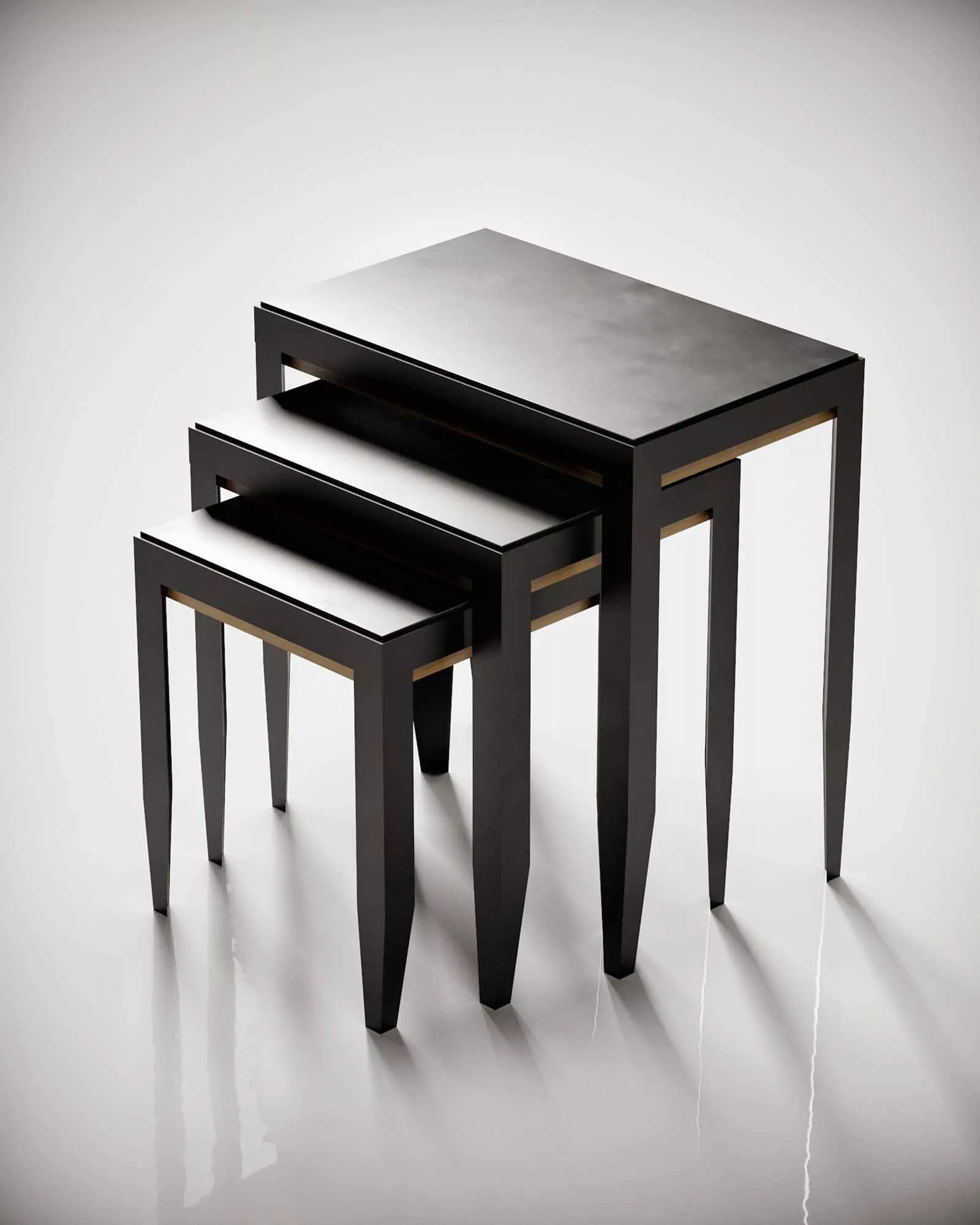
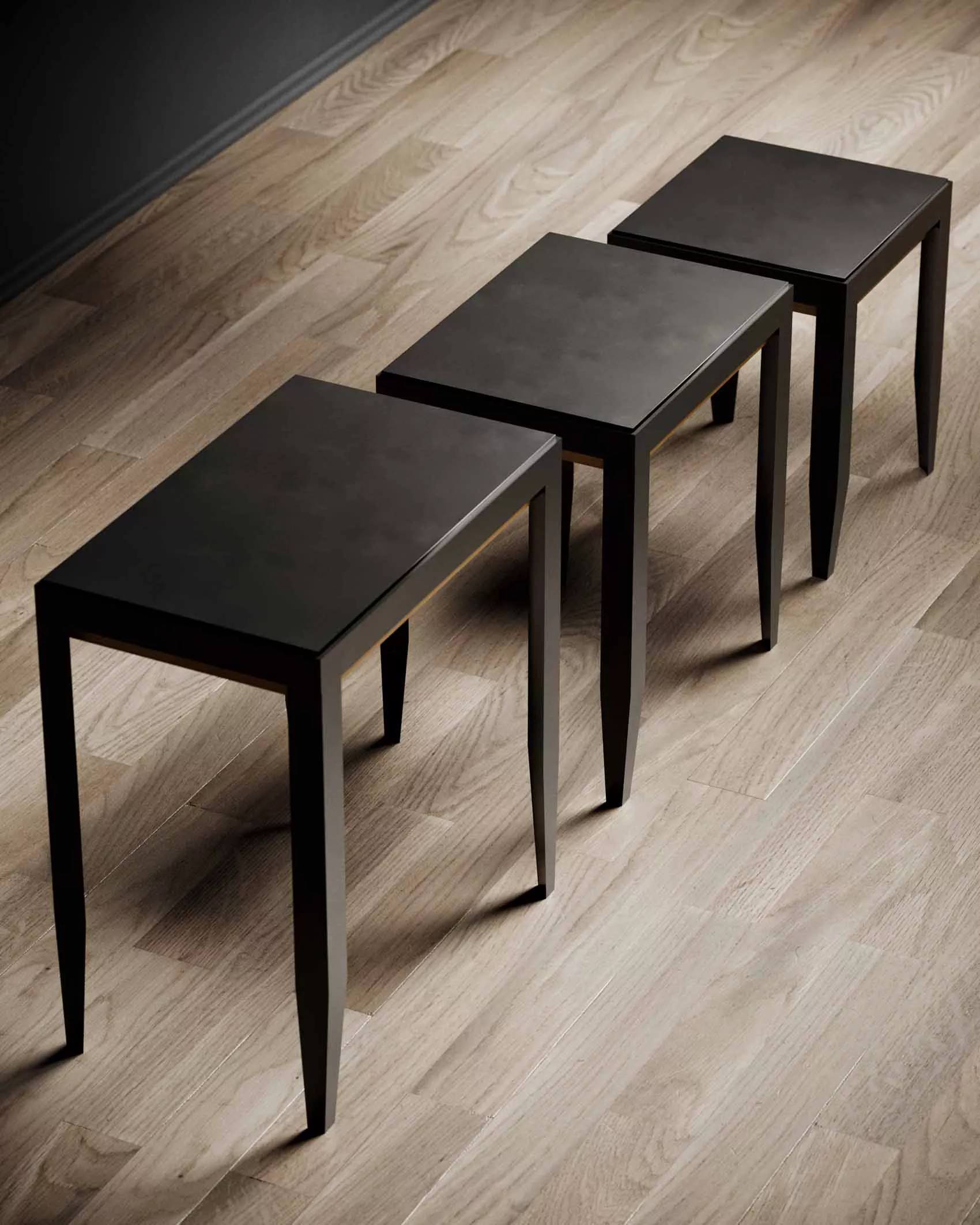
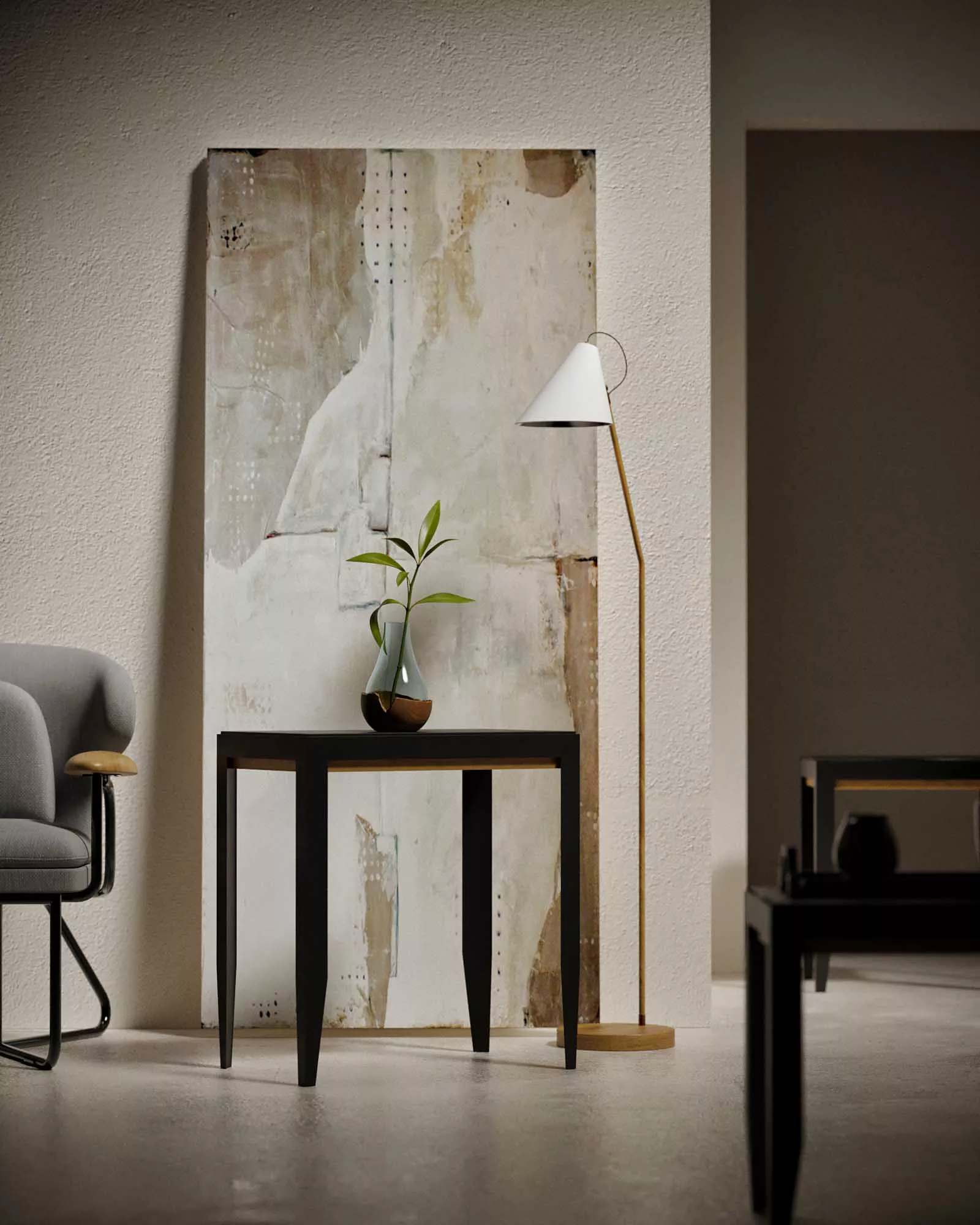
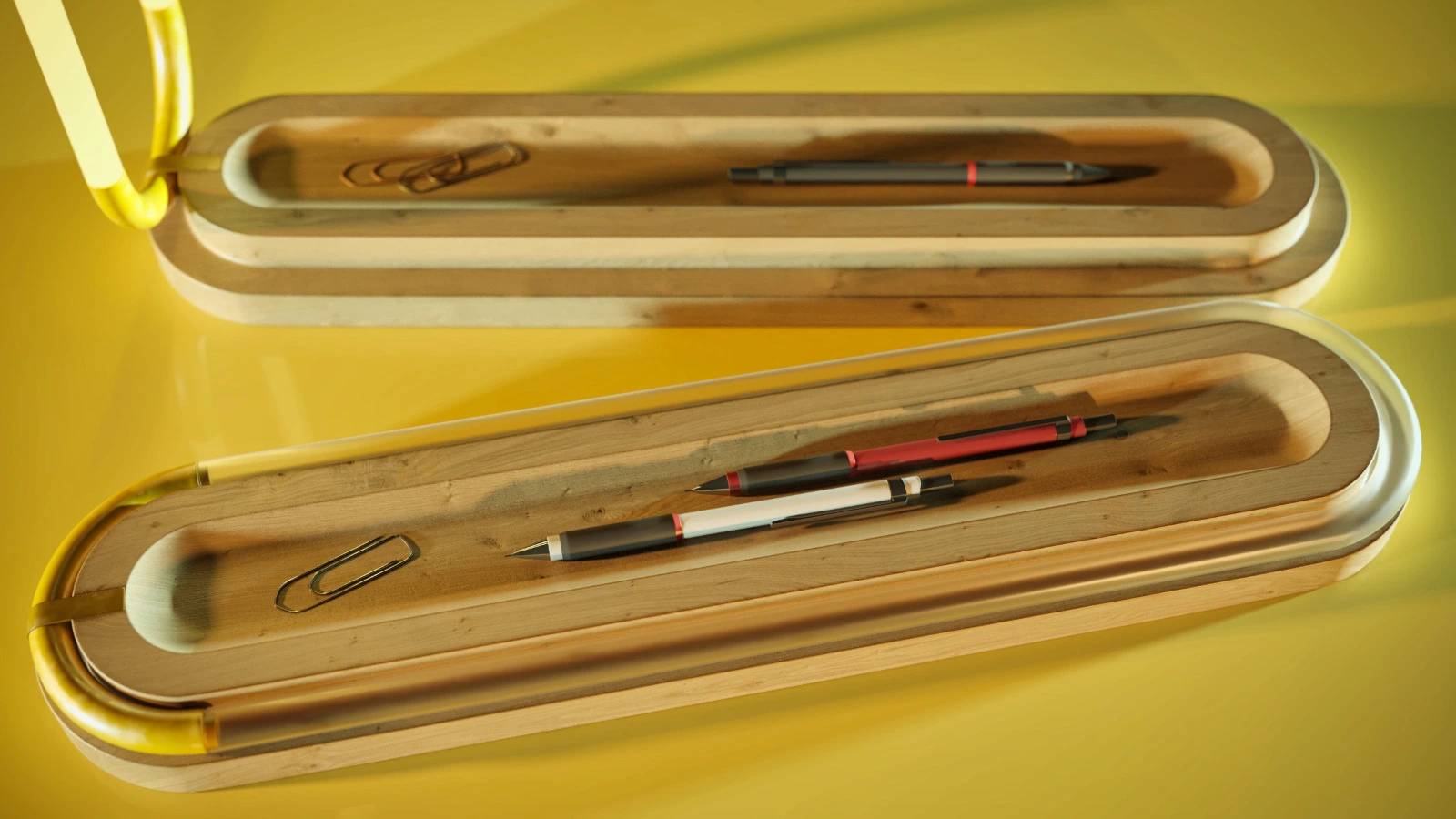
Browse a few recent product visualization projects. See the full RenderLand portfolio for more.



3D product rendering company FAQs
Ready to see your product in 3D?
Send your files and deadline for a scope and written quote.
Prefer a conversation?
Call us today. We can scope the project on the phone and follow up with a written quote.
+1 (905) 519-7785Click to call on mobile
Send Your CAD Files or Photos
Send your files and tell us where the images will be used. We will reply with a scope and a written quote.
Get a product rendering quote →